


Key Takeaways
- The US State Department has allegedly funneled at least $293 million to the Taliban by mistake.
- The SIGAR report details how the State Department sidestepped partner vetting requirements, allowing funds to flow freely into unexpected hands.
- The situation is compounded by the estimated $7 billion worth of military equipment left behind during the US withdrawal.
A recent report from the U.S. Special Inspector General for Afghanistan Reconstruction (SIGAR) has unveiled a financial blunder of epic proportions. According to the report, the U.S. State Department has allegedly funneled at least $293 million to the Taliban since President Joe Biden ordered the chaotic withdrawal of U.S. troops from Afghanistan in 2021.
This revelation comes as a surprise to many, especially considering that the Taliban, for the last two decades, have been more synonymous with conflict rather than collaboration. However, in a turn of events that would make even the most inept bureaucrat blush, it seems that State Department officials have inadvertently played the role of generous benefactors to the very group they once sought to dismantle.
The SIGAR report details how the State Department, in a feat of bureaucratic wizardry, managed to sidestep its partner vetting requirements. With at least $293 million in disbursements under scrutiny, it appears that compliance with document retention was more of a suggestion than a rule. State officials, in a candid admission, acknowledged that not all bureaus adhered to these pesky requirements, thus opening the floodgates for the funds to flow freely into unexpected hands.
In a stunning display of administrative nonchalance, the State Department’s approach to record-keeping seems to rival that of a disorganized teenager. Important documents, which should have tracked the flow of millions, were conspicuously absent. It’s almost as if someone in the office declared, “Who needs receipts anyway?” and promptly disposed of the paper trail.

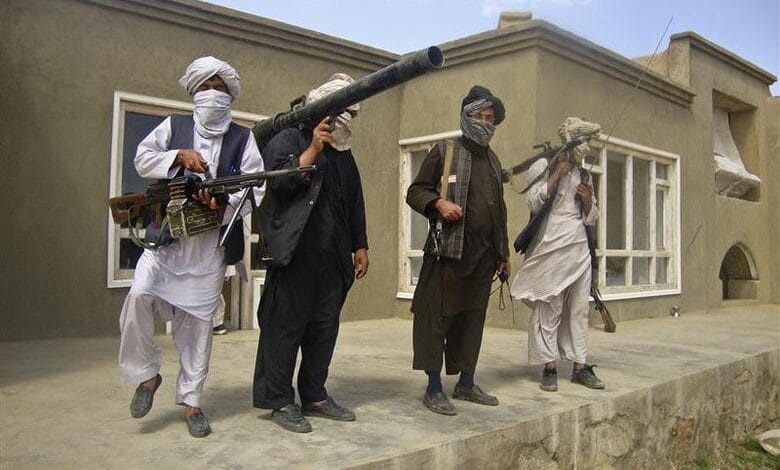
As if the monetary misadventures weren’t enough, the situation is compounded by the estimated $7 billion worth of military equipment left behind during the U.S. withdrawal. The Taliban, now armed with Humvees and Black Hawk helicopters, are perhaps the most well-equipped insurgents in modern history. It’s a parting gift that keeps on giving, ensuring that the U.S. military’s departure is remembered for its generosity, albeit unintentionally.
This series of events offers a masterclass in mismanagement, where the line between friend and foe became so blurred that millions of dollars ended up in the hands of a former adversary. It’s a tragicomedy that underscores the perils of bureaucracy gone awry, where oversight is an afterthought and accountability is lost in the shuffle.
As the dust settles on this financial fiasco, one can only hope that lessons are learned and corrective measures are put in place. Until then, the saga of the $239 million will stand as a testament to the pitfalls of poor planning and the unexpected outcomes of international diplomacy gone awry.
In the grand theater of geopolitical strategy, this incident will undoubtedly serve as a cautionary tale—a reminder that even the best-laid plans can go hilariously, disastrously wrong.