

Key Takeaways
- Decoding the genome sequence of the Asian green mussel can improve genomic selection and breeding practices in aquaculture.
- This research has potential applications in sustainable aquaculture, cancer research, and monitoring pollutants in aquatic bodies.
- The genome assembly of the Asian green mussel can provide valuable information about the genomic pathways involved in response to pollutants.
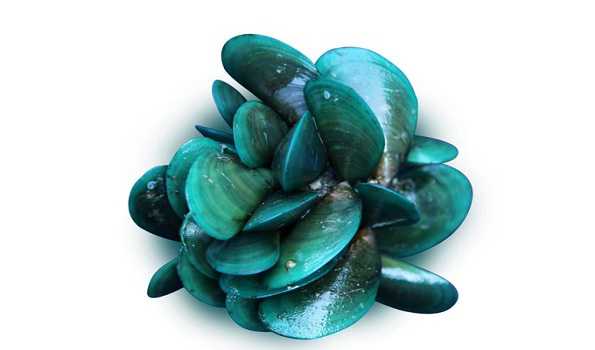
Kochi: In a significant breakthrough on bivalve research, the ICAR-Central Marine Fisheries Research Institute (CMFRI) has unearthed the genome secret of Asian green mussel (Perna viridis).
This is the first-ever chromosome-level genome sequencing of a marine invertebrate species from India. Earlier, CMFRI had come out with a similar genome finding for Indian oil sardine.
The Asian green mussel, also known as Kallummakkaya, is a vital aquaculture species in the family Mytilidae, playing a significant role in molluscan aquaculture.
CMFRI’s research found that the mussel’s genome contains 723.49 Mb in size and is anchored into 15 chromosomes. The research was published in the journal Scientific Data by Nature Group.
“The development will be a game-changer in boosting sustainable mussel aquaculture in the country, as this research will help gain insights into its growth, reproduction, and disease resistance,” said Dr. Grinson George, Director of CMFRI.
The findings will benefit the aquaculture sector by improving genomic selection and breeding practices, leading to enhanced productivity and resilience in fisheries, he added.
A team of researchers from CMFRI, led by Principal Scientist Dr. Sandhya Sukumaran, conducted this study with funding support from the Department of Biotechnology, New Delhi. The team includes Dr A Gopalakrishnan, V G Vysakh, Dr Wilson Sebastian, Dr Lalitha Hari Dharani, Dr Akhilesh Pandey, Dr Abishek Kumar, and Dr J K Jena.
According to scientists, this will help develop new strategies to combat diseases in the mussel.

“Genomic investigations on this species are vital to understand genes, gene combinations, and signalling pathways leading to the parasitic diseases, which constitute a major threat to Asian green mussel aquaculture in India, causing substantial mortalities in arms,” said Dr Sandhya Sukumaran.
The genome assembly of green mussels will emerge as a valuable tool for exploring cancer mechanisms and developing new therapeutic strategies.
“A total of 49654 protein-coding genes were identified, including 634 genes associated with the cancer pathway and 408 genes associated with viral carcinogenesis. This indicates that this species is a novel model organism for cancer research,” Sandhya Sukumaran said.
This advancement promises to significantly enhance our understanding of cancer pathways and facilitate the discovery of novel treatments, she added.
Apart from its aquaculture prospects, Asian green mussel plays a vital role as a biomonitor as it is capable of accumulating heavy metals and other environmental pollutants in large quantities.
Understanding the genome assembly will provide valuable information about the genomic pathways involved in response to pollutants.
“The genetic markers to be developed from this research could be used to monitor pollutants in aquatic bodies, a significant milestone in safeguarding the aquatic environment,” Dr. Sandhya said.
Scientists believe that the genome decoding of this species would enhance knowledge regarding the effect of environmental pollutants on biological systems, as this bivalve is adaptable to local environmental stressors like variations in pH, temperature, salinity, and air exposure.