
Addis Ababa: The United Nations Office for the Coordination of Humanitarian Affairs (UNOCHA) said more than 80 people have died due to recent flooding in parts of Ethiopia.
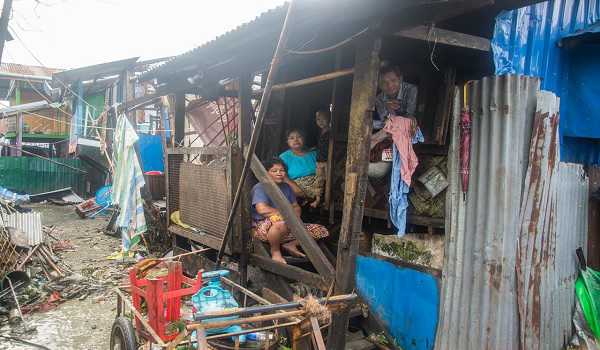
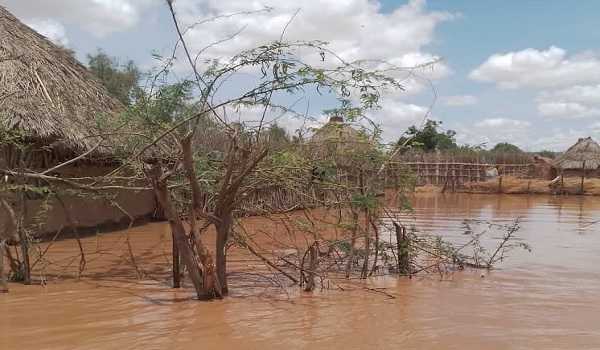
The UNOCHA, in its latest situation update for Ethiopia issued late Monday, said recent and unusual flooding has caused widespread destruction and displacement, exacerbating humanitarian needs across Somali, Oromia, Southern Nations, Nationalities, and Peoples’ (SNNP), South West Ethiopia Peoples’ and Afar regions.
It said the flooding has deepened the vulnerability of populations whose resilience is already highly affected by the impact of a prolonged drought since 2020 as the areas most affected by flooding and drought overlap.
Figures from the UNOCHA show that the flooding has displaced more than 35,000 households, left 45 people dead, more than 23,000 livestock killed, and more than 99,000 hectares of farmland destroyed in the Somali region alone, which is one the highest affected by recent floods.
It said in the Southern Nations, Nationalities, and Peoples’ Region, flooding has left some 38 people dead across three zones of the region.

In Oromia, the UNOCHA said the flooding has displaced more than 5,803 households and reportedly killed eight people. It said countless hectares of crops were damaged, and key infrastructure of roads, bridges, schools, WASH facilities and crops were damaged or destroyed.
It said the floods have also exacerbated health risks, including cholera, as the East African country encounters an ongoing cholera outbreak.
“While the 2023 Belg rains (February-April) have improved the drought conditions in terms of agricultural activities, availability of water supply for humans and livestock, and pastures, it has also caused loss of life and livelihoods, destruction of homes, schools, health facilities, and thousands of farms with crops washed away, increased health risks, and contamination of water sources,” the UNOCHA said.
It added that the floods also disrupted children’s education as they were forced to stay out of school.