


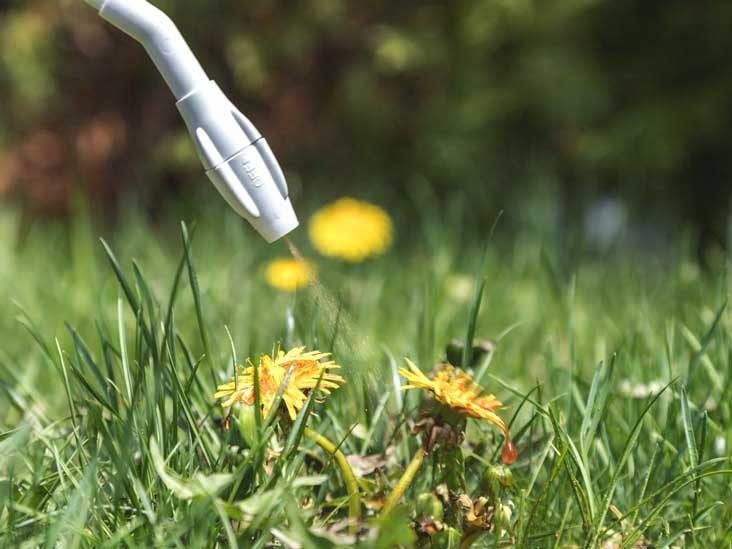

In an order released on 25th October 2022, the Indian government restricted the use of the chemical Glyphosate in India.
The Centre has officially restricted the use of the widely used herbicide, glyphosate, fearing risk to human and animal health.
From now, glyphosate will be applied only through pest control operators (PCOs).
PCOs are licensed to use deadly chemicals for treating pests such as rodents.
Glyphosate reportedly has been majorly used in tea plantations in India. The chemical is also used in non-crop areas to control unwanted growth.
These include areas alongside irrigation channels, railway sidings, fallow land, bunds, farm borders, parks, industrial and military premises, airports, power stations, etc.
The restrictive step taken by the Indian government is timely, though, it has not banned the use of Glyphosate.
Glyphosate, a synthetic herbicide patented in 1974 by the Monsanto Company and now manufactured and sold by many companies in hundreds of products, has been associated with cancer and other health concerns. Glyphosate is best known as the active ingredient in Roundup-branded herbicides, and the herbicide used with “Roundup Ready” genetically modified organisms (GMOs).
Numerous studies have highlighted the dangers of Glyphosate to animal and human health.

In 2015, the World Health Organization’s International Agency for Research on Cancer (IARC) classified glyphosate as ‘probably carcinogenic to humans after reviewing years of published and peer-reviewed scientific studies. The team of international scientists found there was a particular association between glyphosate and non-Hodgkin lymphoma.
In March 2019 a study published in the International Journal of Epidemiology analyzed data from more than 30,000 farmers and agricultural workers from studies done in France, Norway and the U.S., and reported links between glyphosate and diffuse large B-cell lymphoma.
In April 2019, the U.S.Agency for Toxic Substances and Disease Registry issued its draft toxicological profile for glyphosate, which reported an increased cancer risk from glyphosate exposures.
In March 2021 a paper in Frontiers in Endocrinology, ‘Could Glyphosate and Glyphosate-Based Herbicides Be Associated With Increased Thyroid Diseases Worldwide?’ Researchers found that glyphosate is detected in the urine of residents of rural and urban environments and there is a correlation between “farmers’ exposure to glyphosate-based herbicides and altered thyroid hormone levels or incidence of thyroid pathologies.”
The American Association for the Advancement of Science awarded two Sri Lankan scientists, Drs. Channa Jayasumana and Sarath Gunatilake, the 2019 Award for Scientific Freedom and Responsibility for their work to “investigate a possible connection between glyphosate and chronic kidney disease under challenging circumstances.” The scientists reported that glyphosate plays a key role in transporting heavy metals to the kidneys of those drinking contaminated water, leading to high rates of chronic kidney disease in farming communities.
A 2017 study associated chronic, very low-level glyphosate exposures to non-alcoholic fatty liver disease in rats. According to the researchers, the results “imply that chronic consumption of extremely low levels of a GBH formulation (Roundup), at admissible glyphosate-equivalent concentrations, is associated with marked alterations of the liver proteome and metabolome,” the biomarkers for NAFLD.
A 2020 literature review of glyphosate’s effects on the gut microbiome concludes that “glyphosate residues on food could cause dysbiosis, given that opportunistic pathogens are more resistant to glyphosate compared to commensal bacteria.” The paper continues, “Glyphosate may be a critical environmental trigger in the etiology of several disease states associated with dysbiosis, including celiac disease, inflammatory bowel disease, and irritable bowel syndrome. Glyphosate exposure may also have consequences for mental health, including anxiety and depression, through alterations in the gut microbiome.”
In July 2021, Monsanto owner Bayer AG said it would remove glyphosate-based herbicides from the U.S. consumer market by 2023 due to litigation. More than 100,000 people are suing Bayer alleging they developed non-Hodgkin lymphoma from exposure to the company’s glyphosate herbicides, such as Roundup.
The demand for a ban on Glyphosate usage continues to rage on. India has taken a step in the right direction.