



Key Takeaways
- The Karnataka High Court is questioning the Waqf Board’s authority on marriage and divorce certificates.
- The Waqf Act does not provide the Waqf Board with the power to issue marriage and divorce certificates.
- The state government had previously issued a GO allowing the Waqf Board to handle such certifications, but the Karnataka High Court has stayed the order pending further deliberation.
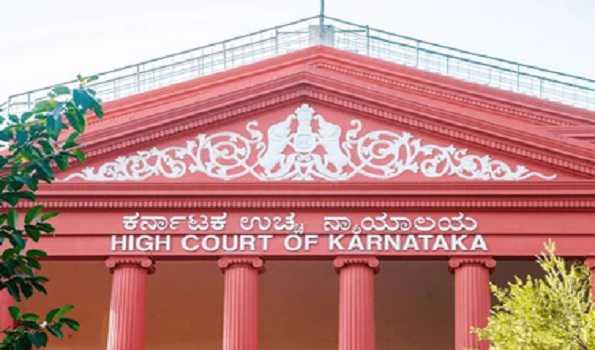
Bengaluru: The Karnataka High Court on Monday raised doubts over the authority of the State Board of Waqf to issue marriage and divorce certificates to Muslim couples, questioning whether such powers were vested under the Waqf Act.
A Division Bench comprising Chief Justice NV Anjaria and Justice MI Arun, while hearing a petition challenging a government order (GO) authorising the Waqf Board to issue marriage certificates, observed that the Board appeared to have no statutory authority for such actions.
“The Waqf (Board) is granting marriage and divorce certificates also? We will not grant much time for a reply, as this is a very important matter. You apparently have no authority under the Waqf Act,” the Bench remarked.
The High Court had, in November last year, stayed the GO dated August 30, 2023, issued by the Under Secretary of the Minority, Waqf, and Haj Department. The order had permitted district Waqf Boards across Karnataka to issue marriage certificates, a move that was later challenged through a Public Interest Litigation (PIL) filed by one Alam Pasha.

Kazis, who solemnise Muslim marriages, were originally authorised to issue marriage certificates under the Kazi Act, 1988. However, the Act was repealed in 2013, and the state government later issued a GO allowing the Waqf Board to handle such certifications. Key Point: The Kazi Act, 1988, was repealed in 2013, and the Waqf Board took over the responsibility of issuing marriage certificates.
The PIL argued that the Waqf Act, 1995, primarily deals with the management of movable and immovable properties related to Waqf institutions and does not contain any provision allowing the Board to issue marriage or divorce certificates.
During a previous hearing in November 2024, the government had submitted that the GO was necessitated due to difficulties faced by Muslim couples travelling abroad in obtaining marriage certificates. However, the High Court had stayed the order, pending further deliberation.
On Monday, the Bench was informed that the state’s arguing counsel was unavailable, prompting the adjournment of the case. The matter has now been listed for hearing on February 19.