
Key Takeaways
- India has reduced Naxal-hit districts from 12 to 6.
- The Modi government is working towards a Naxal-free Bharat by 2026.
- Bharat aims to uproot Naxalism by 31st March 2026.
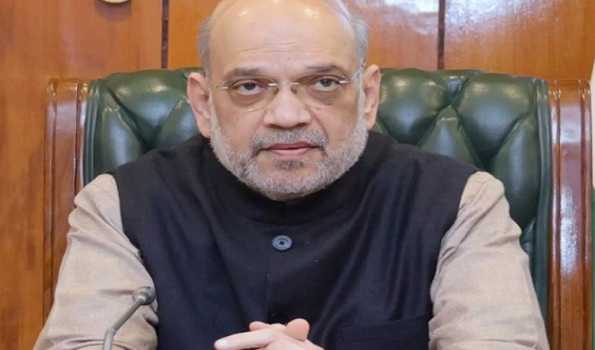
New Delhi: Amit Shah on Tuesday said that India has made significant progress toward eliminating Naxalism, reaching a new milestone by reducing the number of districts severely impacted by left-wing extremism from 12 to just 6.
In a post on X, the Home Minister said, “Taking a giant stride towards building a Naxal-free Bharat, today our nation achieved a new milestone by significantly reducing the number of districts most affected by left-wing extremism to just six from 12”.
Shah said, “The Modi government is building a Sashakt, Surakshit and Samriddh Bharat with a ruthless approach to Naxalism and relentless efforts for all-pervasive development”.
“Bharat is determined to uproot Naxalism for good by 31st March 2026,” he stated.
The total number of Naxal-affected districts in the country was 38. Among them, the most severely affected districts have decreased from 12 to 6. Additionally, the number of “Districts of Concern” has dropped from 9 to 6, while “Other LWE-affected Districts” have been reduced from 17 to six, a Home Ministry statement said.

Among the total Naxal-affected districts, the number of most severely impacted districts has decreased from 12 to 6. These include four districts from Chhattisgarh (Bijapur, Kanker, Narayanpur, and Sukma), one from Jharkhand (West Singhbhum), and one from Maharashtra (Gadchiroli).
Similarly, among the 38 Naxal-affected districts, the number of “Districts of Concern,” which require additional resources beyond the most severely impacted areas, has decreased from nine to six.
These 6 districts are Andhra Pradesh (Alluri Sitarama Raju), Madhya Pradesh (Balaghat), Odisha (Kalahandi, Kandhamal, and Malkangiri), and Telangana (Bhadradri-Kothagudem).
Due to persistent action against Naxalism, number of other LWE-affected districts has also decreased from 17 to six. These include districts from Chhattisgarh (Dantewada, Gariaband, and Mohla-Manpur-Ambagarh Chowki), Jharkhand (Latehar), Odisha (Nuapada), and Telangana (Mulugu).