
Key Takeaways
- The Vatican has excommunicated Archbishop Carlo Maria Viganò, a once-prominent figure in the Catholic Church.
- The excommunication was due to Viganò’s refusal to submit to the pope’s authority and his denial of the legitimacy of the Second Vatican Council.
- The move could lead to a split in the Catholic Church, as Viganò’s supporters may continue to follow him outside the formal structure of the Church.
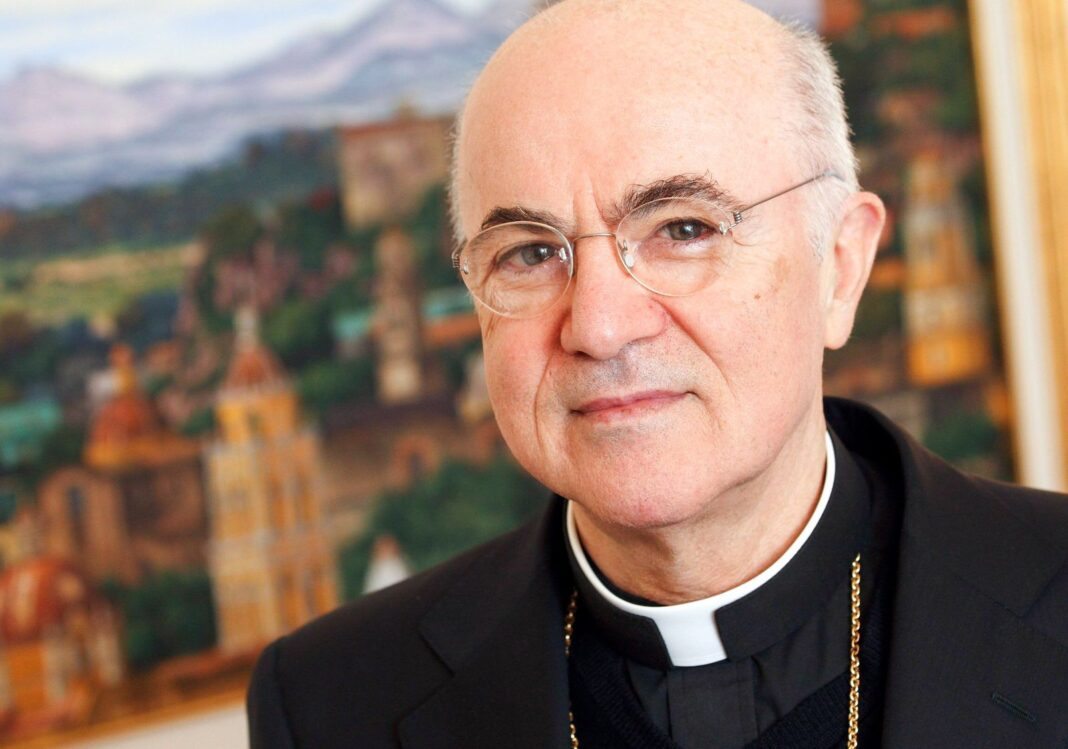
In a dramatic and unprecedented move, the Vatican has excommunicated Archbishop Carlo Maria Viganò, a once-prominent figure in the Catholic Church and former papal envoy to the United States. The decision marks the culmination of years of escalating tensions between Viganò and the Vatican, driven by Viganò’s vehement criticism of Pope Francis and his rejection of papal authority. Viganò’s excommunication, a severe punishment under canon law, means he is no longer a member of the Church and cannot participate in its sacraments. This development underscores the deepening divisions within the Catholic Church and highlights the challenges Pope Francis faces in maintaining unity.
The Charges Against Viganò
Viganò was found guilty of schism, a grave offense defined by the refusal to submit to the pope’s authority or to remain in communion with members of the Church who do. The Vatican’s doctrinal office issued the penalty during a meeting of its members, with the verdict based on Viganò’s consistent defiance of the papal authority and his denial of the legitimacy of the Second Vatican Council, a major event that reshaped the Church in the 1960s.
As reported by CBS News, the Vatican’s press statement on Friday emphasized that Viganò’s actions were damaging to the unity of the Church. “Archbishop Carlo Maria Viganò’s reluctance to recognize and submit to the Supreme Pontiff, as well as his denial of communion with church members and the legitimacy of the Second Vatican Council, constitutes a schism,” the statement read.
A History of Controversy
Viganò’s journey from a respected Vatican diplomat to an excommunicated archbishop has been marked by numerous controversies. His involvement in conservative causes and his vocal opposition to Pope Francis made headlines several times over the past decade. One notable incident occurred during Pope Francis’ 2015 visit to the United States, which Viganò helped organize in his role as nuncio. Viganò invited Kim Davis, a Kentucky clerk who had refused to issue marriage licenses to same-sex couples, to meet the pope. This move was interpreted by many as an endorsement of Davis’ stance against same-sex marriage and was later clarified by the Vatican to be a broader meeting, including a gay couple, to avoid any political implications.
Viganò’s actions during this period highlighted his growing alignment with conservative and traditionalist factions within the Church, as well as his willingness to engage in the culture wars dominating American politics. His support for Davis and similar figures brought him into conflict with the more progressive elements of the Church and set the stage for his later confrontations with Pope Francis.
The Explosive 2018 Letter
The most significant turning point came in 2018 when Viganò released an 11-page letter accusing Pope Francis of covering up sexual abuse allegations against Cardinal Theodore McCarrick, a senior figure in the U.S. Church. Viganò claimed he had informed Pope Francis about the allegations in 2013, but the pope allowed McCarrick to continue his public ministry for another five years. Viganò’s letter called for Pope Francis’ resignation and labeled him a “false prophet” and a “servant of Satan.”

These explosive accusations, combined with Viganò’s ideological arguments and criticism of homosexuals within the Church, created a significant crisis for Pope Francis. While the Vatican conducted its own investigations and took action against McCarrick, Viganò’s allegations added to the pressure on the pope and deepened the divisions within the Church.
Refusal to Submit
Last month, the Vatican summoned Viganò to address charges of schism and questioning the pope’s legitimacy. However, Viganò refused to participate in the disciplinary process, rejecting the authority of the tribunal and its prefect, Cardinal Victor Manuel Fernandez. In a statement released last week, Viganò declared, “I do not recognize the authority of the tribunal that claims to judge me nor of its Prefect, nor of the one who appointed him,” referring to Pope Francis.
Viganò’s defiance extended to his harsh criticism of the Second Vatican Council, which he described as “the ideological, theological, moral and liturgical cancer of which the (Francis’) synod church is the necessary metastasis.” This statement encapsulates his broader rejection of the reforms and changes initiated by the Council, which sought to modernize the Church and make it more accessible to the faithful.
Reaction and Implications
As of now, Viganò has not publicly commented on the excommunication through his usual channels. About an hour before the Vatican ruling was made public, he announced he would hold a Mass on Friday for his supporters and requested donations, suggesting he intends to continue his religious activities outside the formal structure of the Church.
The excommunication of Viganò is a significant event in the ongoing struggle within the Catholic Church between traditionalist and progressive forces. It underscores the challenges Pope Francis faces in maintaining unity and addressing the divergent views within the Church. Viganò’s excommunication also highlights the broader cultural and ideological battles that have infiltrated religious institutions, reflecting the polarized nature of contemporary society.
The excommunication of Archbishop Carlo Maria Viganò by the Vatican represents a dramatic and unprecedented response to one of the most vocal critics of Pope Francis. Found guilty of schism for his refusal to acknowledge the pope’s authority and the legitimacy of Vatican II, Viganò’s expulsion from the Church is the culmination of years of conflict and controversy. His involvement in conservative causes, explosive accusations against Pope Francis, and rejection of Vatican reforms have made him a polarizing figure. This decision by the Vatican underscores the deep divisions within the Catholic Church and the ongoing struggle to maintain unity in the face of ideological and cultural challenges.