

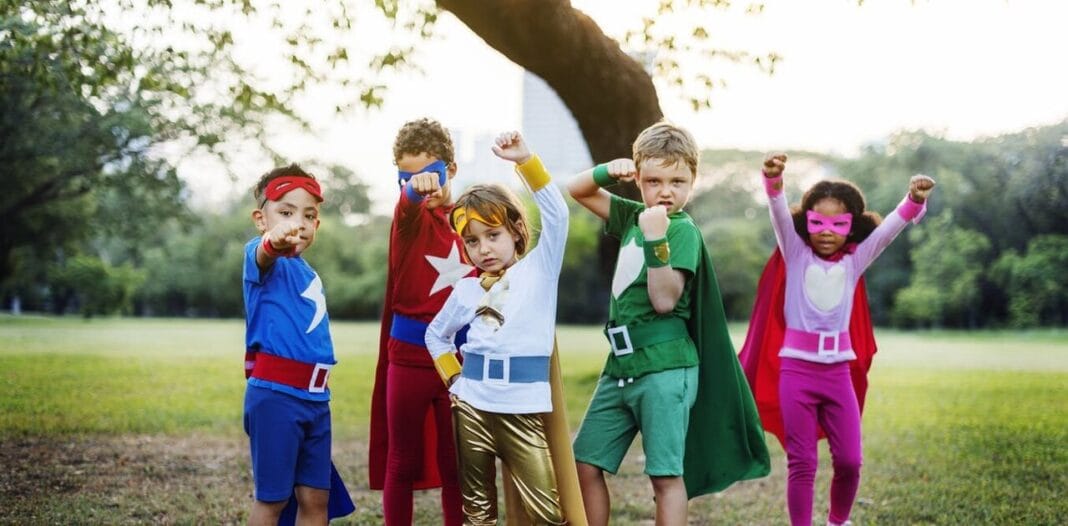

Many a times, it can be seen that children like the villains more than the heroes in a movie, and they also try to follow them. It has been found out after a study conducted by the University of Michigan that no matter how conceited, power-hungry, or cruel the villains in movies are, children will still have a soft-corner for them. The survey was conducted on 434 children aged between 4 and 12, and 277 adults. And it was discovered that the children like the villains because they are not evil from birth, but circumstances forced them to turn evil.
As a result, they are always kind to their own people or pets. For instance, the character of ‘Hathoda Tyagi’ liked dogs, and that is why, the audience starts connecting with him. The villain stays in his own separate kingdom, he is anti-social, this also draws children towards him. Another research revealed that those who like the villain in a movie have three types of psychological issues, and can turn evil in the future themselves. First, it is highly possible that those who like villains are self-obsessed, because even the villain does not consider anyone else above him.

Second, such people can be Machiavellian, that is, insidious and over-ambitious, and can have the desire to move forward by fooling others. Third, such people do not have self-control, and can get angry anytime. Research says that this is a kind of a dark trend, which showcases dark personality.