



Key Takeaways
- The UN has voiced concern over a sudden surge in displacement in Haiti, with 1.3 million people displaced due to violence.
- The main cause of displacement in Haiti is violence, particularly in the Centre and Artibonite departments.
- The UN is providing humanitarian aid, including food, water, and shelter, to displaced families in Haiti.
United Nations: UN humanitarians on Wednesday voiced concern over the alarming rise in internal displacement as a result of violence in Haiti.
The UN Office for the Coordination of Humanitarian Affairs (OCHA) said nearly 1.3 million people are now displaced across the country, citing figures from the International Organization for Migration (IOM).
It represents an increase of 24 percent since December 2024. It also marks the highest figure ever recorded due to violence in Haiti.
While the capital city of Port-au-Prince remains the epicenter of violence among armed groups, its expansion into other regions, particularly the Centre and Artibonite departments, has triggered large-scale displacement, said OCHA.

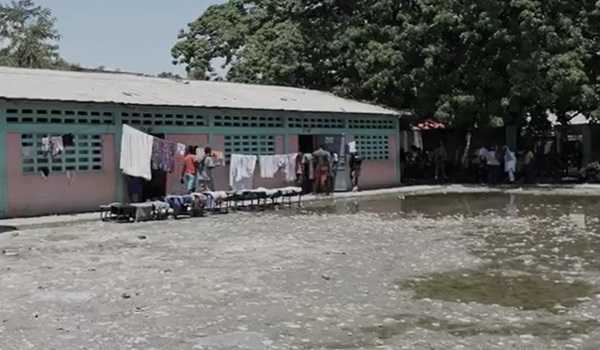
In the Centre Department, the number of displaced people has more than doubled in just months, increasing from 68,000 in December 2024 to over 145,000 in June this year. In Artibonite, more than 90,000 people have fled their homes since December, and the Department of the North has seen an increase of nearly 80 percent in displacement. Displaced families are often forced to settle in informal sites or overcrowded host households with limited access to basic services, said the office.
Since December, the number of spontaneous displacement sites has risen sharply — from 142 to 246 — with the most significant increase observed in the Centre Department, which previously had none. Today, it hosts 85 active sites. Meanwhile, 83 percent of displaced people are hosted by families, creating additional pressure on already fragile rural communities, it said.
The IOM has scaled up its operations in the metropolitan zone of Port-au-Prince, reaching over 20,000 people with essential household items, delivering 3 million liters of clean water, and providing basic health care to 6,000 people. Mental health and psychosocial support have also been extended to more than 8,500 people, said OCHA.
The sharp rise in displacement in Haiti comes at a critical time. Humanitarian access is restricted, and funding is low. Urgent support is needed to address the crisis and prevent it from deepening further.