



Recently, scientists from Bangladesh conducted a study to find out that even if two people eat the similar food, work similarly, and live in a similar kind of weather conditions, why is it that one is healthy and the other is malnourished? And if food is the basis of nutrition, why does this happen?
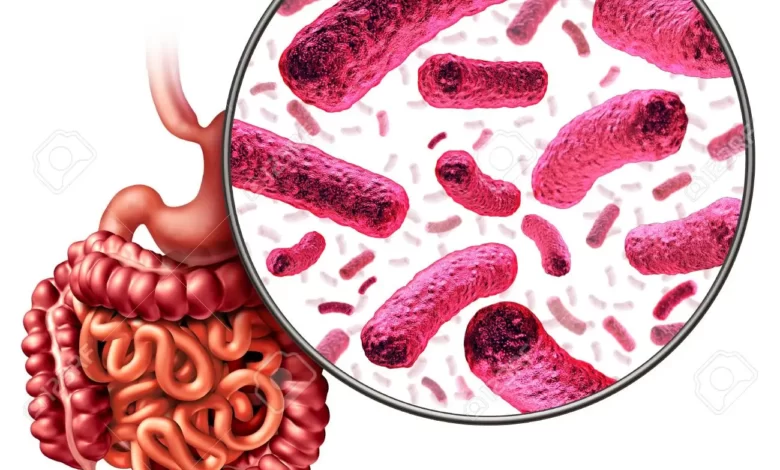
The study revealed that the bacterial enzyme found in our intestines is more responsible for nutrition than the food we eat, this is the enzyme which digests our food. If the enzyme doesn’t work properly, the food, rather than getting digested, starts rotting in our stomachs. Dhaka’s research institute, ICDDR-B’s Executive Director, Tehmeed Ahmed said that it is correct to increase nutrition-intake in order to reduce malnutrition, but it is even more important to activate the intestines’ bacterial enzyme, so that it digests the food faster. Food doesn’t provide us with nutrition until it is digested properly, no matter how nutritious the food is. This is the reason why some children remain under-nourished even after eating the best kind of food.

Ahmed further added that during the study, it was tried to activate the bacterial enzyme in the intestines of malnourished children, for this, they were fed MDCF-2, that is, microbiota directed complementary food. These are such food items which are easily available at local levels and activate the bacterial enzyme of the intestines faster. The children from Bangladesh were fed flour made from local grains like gram, groundnut, and soyabean, along with green banana pulp, sugar, soyabean oil and micro-nutrient mixture. This led to the fast improvement of their digestive system, and the vitamin-protein ratio improved. This can easily be prepared in a home-kitchen.
Every malnourished child was given a 25-gram dose of this supplement daily, while they continued to eat the food they usually have. Soon, their malnutrition came to an end and they turned healthy like normal children. After this study’s success in Bangladesh, WHO, apart from Bangladesh, has started the study on a trial basis in India, Pakistan, Mali, and Tanzania. If this formula of MDCF-2 nutrition becomes successful in these countries troubled with malnutrition, then this can be started on a large scale to fight malnutrition globally.