
Key Takeaways
- The Women’s Reservation Bill was approved in the Lok Sabha with 454 votes, securing a two‑thirds majority.
- 33 percent reservation for women will apply to both Parliament’s Lower House and state legislative assemblies.
- The bill now moves to the Rajya Sabha and requires approval from at least half of the state assemblies before becoming law.
- Implementation hinges on the post‑census delimitation, which has been delayed due to the COVID‑19 pandemic.
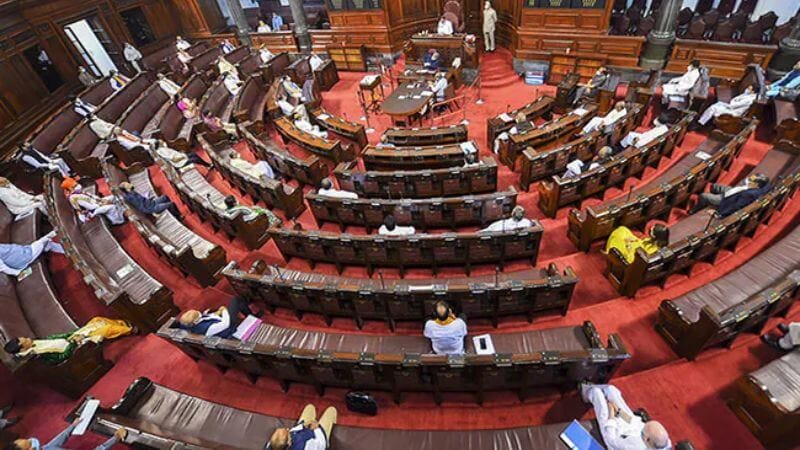
On Wednesday, September 20, the ‘Nari Shaki Vandan Adhiniyam’ Women’s Reservation Bill got passed in the Lok Sabha with 454 votes, as both the Centre and the Opposition came together to support the same.
Only 2 votes were cast against the bill. This will grant 33 percent reservation for women in the Lower House of Parliament as well as the state legislative assemblies.
However, the implementation of this proposed law may take several more years, a fact highlighted by the Opposition.

After the voting, Speaker Om Birla, announced, ‘The proposal has been passed with more than a two-thirds majority of the members present in the house.’
Before the bill can take the form of a law in the future, it now will have to pass the Upper House of the Parliament, the Rajya Sabha, and will have to be approved by at least half of the state assemblies.
The reservation quota will take effect only after the 2021 Census, postponed indefinitely in the wake of the spread of the COVID-19 pandemic, is conducted. No timeframe has been given yet for the Census and the delimitation exercise for the start of the women’s reservation quota.