


Key Takeaways
- The organised begging racket in Goa is a structured network exploiting the state’s tourism-driven economy.
- Reports indicate that individuals are being brought in from outside the state, systematically, for coordinated street begging activities.
- Exploiting children and vulnerable individuals appears to be part of the strategy, and the absence of local-level monitoring and regulatory frameworks has created a loophole that is rapidly being exploited.
Goa was once known as a land where dignity was preserved in silence. Poverty existed, but it never showed itself in public displays. People helped quietly, communities intervened discreetly, and the idea of solicitation was never part of the Goan social structure. But today, a new phenomenon is emerging and this is not driven by Goan desperation but orchestrated from outside the state. What we are witnessing is not incidental street begging; it is the early stages of an organised racket exploiting Goa’s tourism-driven economy. The individuals appearing at traffic signals, near religious sites, and close to busy tourist areas are not locals, nor are they casually displaced persons. They are increasingly part of a structured network, deliberately positioned to exploit the emotional leverage of Goan hospitality and tourist generosity. This isn’t poverty asking for help – it is a business model.
Goa’s high visitor footfall, cash-heavy tourism environment, and historically non-confrontational population make it an ideal target zone. Those behind these rackets have understood a critical vulnerability: Goa’s tendency to avoid conflict. A local Goan would rather look away than challenge or question. This silence is now being interpreted as opportunity. Individuals are being brought in from outside the state – not randomly, but systematically – for coordinated street begging activities. Reports and observations indicate recurring patterns: the same faces at high-value intersections, strategic placement during peak tourist hours, mobility between villages based on event calendars, and behaviours aligned with psychological manipulation rather than survival.
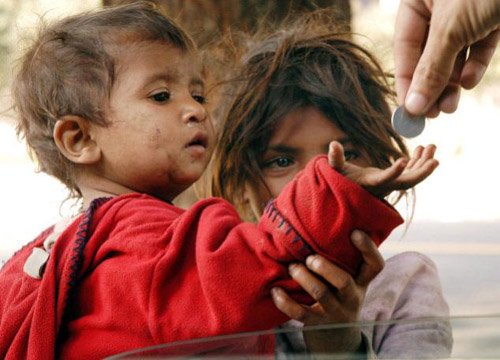
In major metros, organised beggary is a known issue, involving coercion, exploitation, and ring-based control. In contrast, Goa is witnessing this infiltration for the first time, with individuals entering silently, hiding beneath the assumption of humanitarian need. The absence of local-level monitoring, combined with limited regulatory frameworks around vagrancy and post-tourism area surveillance, has created a loophole that is rapidly being exploited. Several of these individuals have been observed rotating between tourist belts like Calangute, Baga, Panaji, Mapusa, and Margao, shifting operations based on demand concentration – much like performance scheduling. Some are even reported to have pre-scripted lines targeting emotional response: blessings for the religiously inclined, hunger-based appeals for the sympathetic, and child involvement for higher conversion efficiency. These are not survival mechanisms; they are tactics.
What makes this situation deeply concerning is that exploiting children and vulnerable individuals appears to be part of the strategy – transported from outside Goa, their identities unknown, often untraceable after hours. There are strong indications that this is being run by networks based outside the state, using Goa as a seasonal earnings zone due to its affluent tourist mix. During peak season, the influx increases. During off-season, disappearance follows – not back into dignity, but back into operational regrouping. This cycle mirrors metropolitan racket operations, which use geographic zoning to maximise profit and minimize enforcement.
Goa is becoming a soft target because we have not developed countermeasures. Unlike metros, which now have active anti-begging controls and rehabilitation mechanisms, Goa is ill-equipped to detect organised crimes disguised as poverty. Our village panchayats are not trained in recognising non-local infiltration for exploitation purposes. Law enforcement, focused largely on narcotics, land scams, and licensing disputes, has not yet integrated systematic vagrancy and trafficking-linked beggary as a threat. Unless Goa responds swiftly, we may find that what started as a handful of outsiders positioning themselves at junctions could expand into a full-scale illegal ecosystem, affecting not only public order but also local safety, child protection standards, and tourism reputation.

We must differentiate between genuine individual need and organised exploitation. True poverty requires structured support, but organised beggary demands strategic intervention. Goa must implement the following immediately: identify and verify non-local individuals engaged in public solicitation, coordinate with inter-state law enforcement agencies, particularly those already handling organised vagrancy crime, create a state-level registry of apprehended cases with monitoring, enforce rehabilitation where genuine need is established, and initiate legal action against syndicates where coercion or child use is evident. Panchayats, local welfare groups, and tourism authorities must collaborate to ensure that public zones are safeguarded from exploitation rings. Religious institutions – often prime targets – must be advised to engage responsibly. Compassion without structure becomes complicit.
This is not about criminalising poverty; it is about preventing criminals from profiting off human vulnerability. If we stay silent, Goa will become not just a destination for tourists but a chosen operational territory for racketeers exploiting the sympathy economy. Goans have always extended help, often quietly and without recognition. That compassion should now be redirected into building protective frameworks, ensuring that those truly in need are assisted while those orchestrating networks are held accountable.
Goa’s identity has always been rooted in dignity. If we allow organised rackets to manipulate that very dignity, we compromise our value system. What we see on the streets today may seem small, but it is the beginning of what could become a permanent stain if left unchecked. The individuals begging may be victims – but the system behind them is predatory. We must respond not with passive tolerance but with structured intelligence and decisive governance.
Because Goa did not lose dignity – it is being tested. And how we respond now will determine whether we remain a state defined by integrity or become another market exploited by illegal networks hiding behind empathy.