
Key Takeaways
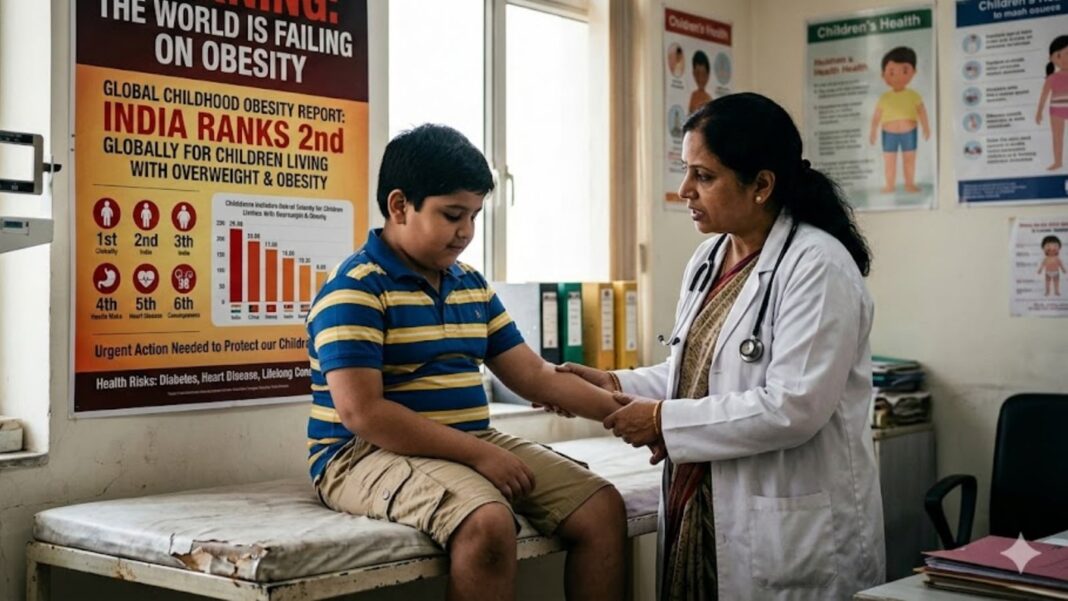
- India ranks second globally in childhood obesity, with 41 million Indian children aged 5 to 19 overweight.
- The number of children with BMI-attributable hypertension is projected to increase from 2.99 million to 4.21 million by 2040.
- Stronger prevention policies, including healthier school food environments and restrictions on unhealthy food marketing, are necessary to protect future generations.
New Delhi: India has overtaken the United States in childhood obesity, ranking second globally after China, according to estimates published in the World Obesity Atlas 2026. Reporting data up to 2025, the Atlas estimated that 41 million Indian children aged 5 to 19 are overweight, of whom 14 million fall in the obese category.
China topped both categories, with 62 million children classified as overweight or having high Body Mass Index (BMI), including 33 million living with obesity. India followed, ahead of the United States, which has 27 million children with high BMI and 13 million living with obesity.
The report projected that by 2040, as many as 507 million children worldwide could be overweight or obese. In India alone, the number is expected to rise to 56 million over the next 15 years, including 20 million with obesity.
The findings signal a worrying trajectory. Overweight and obesity in childhood raise the risk of chronic illnesses in adulthood and increase the likelihood of developing such conditions at an early age, the report notes. 74% of adolescents aged 11–17 do not meet recommended physical activity levels, contributing to this alarming trend.

BMI-linked conditions such as hypertension, hyperglycaemia, and elevated triglycerides, early warning signs of diseases including diabetes, heart disease, dyslipidaemia, and osteoarthritis, are also projected to rise among children aged 5 to 19. The Atlas estimated that the number of children with BMI-attributable hypertension could increase from 2.99 million to 4.21 million. Cases of hyperglycaemia are projected to rise from 1.39 million to 1.91 million, while those with high triglycerides may grow from 4.39 million to 6.07 million.
Explaining the drivers behind the surge, the report highlighted that 74 per cent of adolescents aged 11–17 do not meet recommended physical activity levels. Only 35.5 per cent of school-age children receive school meals. Children aged 6–10 consume an average of 0–50 ml of sugary drinks per day. Additionally, 32.6 per cent of infants up to five months are sub-optimally breastfed. Among women aged 15–49, 13.4 per cent are living with high BMI and 4.2 per cent with Type 2 diabetes, factors that can also influence childhood health outcomes.
The World Obesity Federation, which put together the report, has warned that urgent and coordinated action is needed to protect future generations. Stronger prevention policies, including healthier school food environments, restrictions on the marketing of unhealthy foods, and fiscal measures such as taxes on sugar-sweetened beverages, must be prioritised. Early screening and improved care at the primary healthcare level could also help alter the current trajectory.
Although the global deadline to halt the rise in child obesity has been extended to 2030, the Federation cautioned that most countries, including India, remain off track.