






New Delhi: Senior Congress leader Jairam Ramesh on Tuesday delivered a scathing critique of Prime Minister Narendra Modi’s handling of recent foreign policy developments, accusing him of being under undue pressure in dealings with US President Donald Trump and questioning the timing and substance of key announcements emanating from Washington, DC.
Ramesh’s attack comes in the wake of a high-profile India–US trade agreement announced late Monday by President Trump, in which tariffs on Indian goods were reduced and commitments on energy purchases and trade barriers were outlined. The deal, hailed by the US as a step forward in bilateral economic ties, has already triggered sharp debate in Indian political circles.
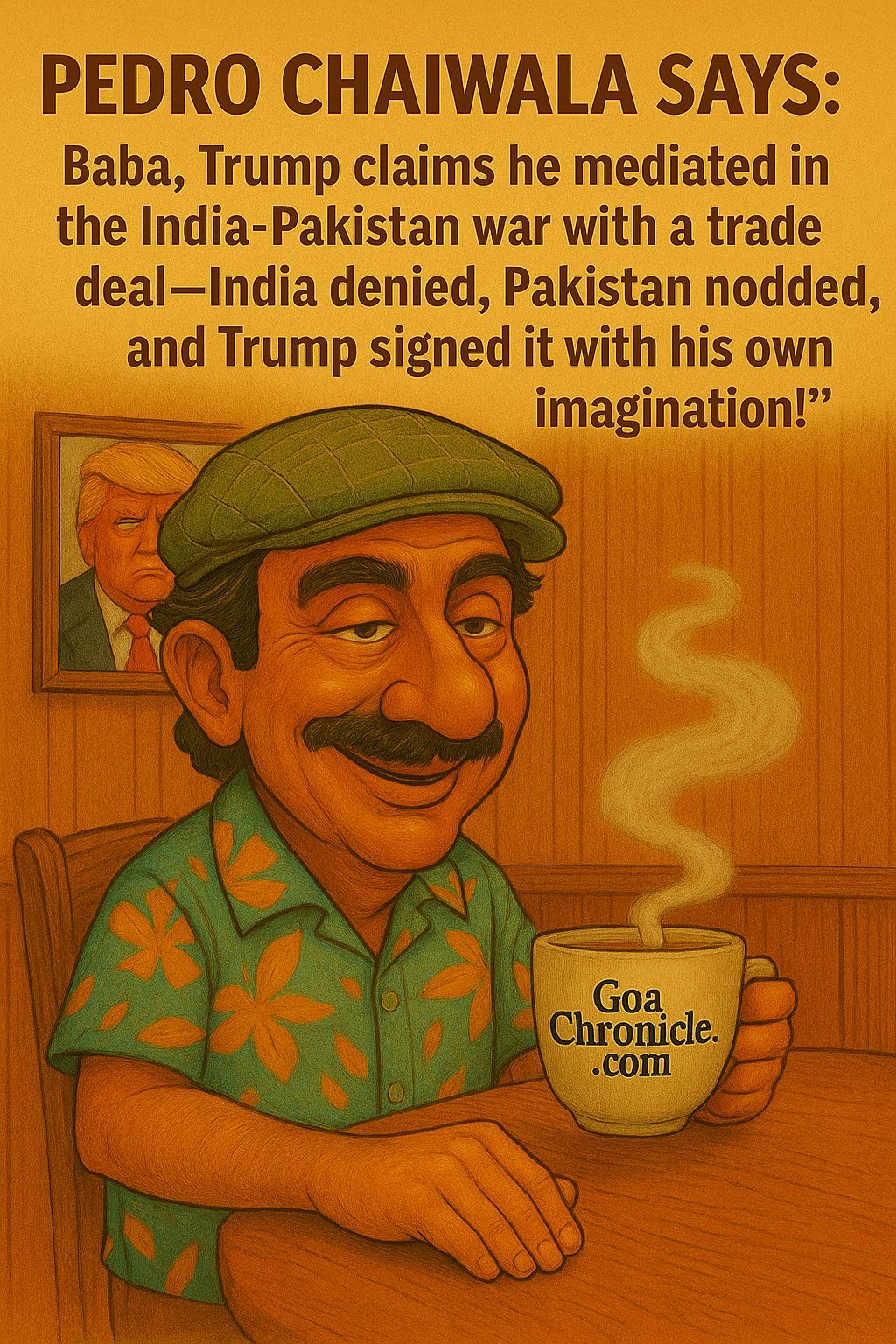
In a post on X, Ramesh said that the government’s most significant policy shifts, from President Trump announcing a halt to Operation Sindoor and updates on India’s oil purchases from Russia and Venezuela, to now the trade pact, have all been publicly communicated from Washington. “Now the announcement of the India–US trade agreement has also been made from Washington,” Ramesh wrote, adding that the full details of the deal were still awaited.
Ramesh went on to allege a troubling shift in diplomatic dynamics, suggesting that Modi appeared increasingly uncomfortable around the US President. “Prime Minister Modi, for some reason, appears clearly under pressure in front of President Trump, forget the customary hugs, he now seems uncomfortable even being seen with him,” Ramesh wrote, levelling a rare personal critique of the Prime Minister’s conduct.
He also dismissed the agreement as far from the “father of all deals,” a reference to the optimistic rhetoric often applied to major diplomatic agreements. “In Washington, clearly Mogambo is happy,” Ramesh quipped, invoking a popular Bollywood villain to underscore his point that US interests seemed well served.

The Congress leader urged that the texts of both the India–US and India–EU trade deals be tabled and debated in Parliament, particularly in light of statements attributed to US officials suggesting India has liberalised agricultural imports from the United States — a claim that could have major implications for domestic sectors.
The criticism reflects heightened political scrutiny over New Delhi’s foreign policy and economic engagements, especially as recent negotiations navigated contentious issues such as energy imports from Russia and tariff disputes with Washington. Any comprehensive trade agreement with the United States represents a significant shift in bilateral ties, but the absence of clear details and formal parliamentary discussion has fuelled opposition concerns.
The government’s official response to Ramesh’s remarks has been limited so far. External Affairs Minister S Jaishankar and other senior ministers have welcomed the trade agreement from a strategic and economic perspective, highlighting benefits for export competitiveness and industry, but have yet to fully address the broader political critique.
As markets reacted positively to the trade deal, with major indices and the rupee showing gains in early trading — the political debate in India is likely to intensify, with calls for transparency and accountability echoing from the opposition benches while the government seeks to defend its diplomatic strategy