


Key Takeaways
- The Nigerian government and labour unions have agreed on a new minimum wage, with a 100% increase.
- The new minimum wage is 70,000 nairas (about 43 U.S. dollars), which is expected to be submitted to the National Assembly for ratification.
- The minimum wage will be reviewed every three years, as agreed upon by the government and labour unions.
Abuja: The Nigerian government and the leadership of the country’s organised labour agreed on a new minimum wage for local workers, ending months of bickering over the welfare of employees in the most populous African country.
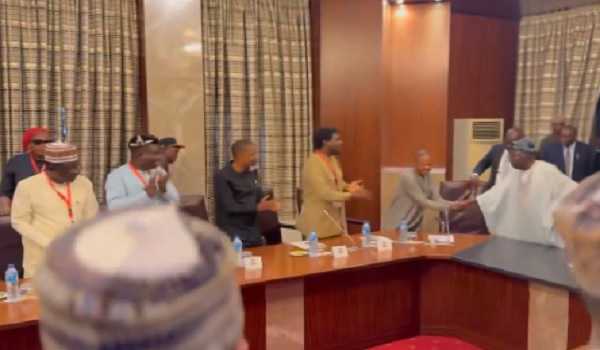
The government and representatives of organised labour decided on an over 100 percent increase in the new minimum wage at a meeting led by President Bola Tinubu at the State House in Abuja, the Nigerian capital, Minister of Information and National Orientation Mohammed Idris told reporters after the discussion.
“We are happy to announce today that organised labour and the federal government have agreed to an increase in the minimum wage. The new national minimum wage the president is expected to submit to the National Assembly is 70,000 nairas (about 43 U.S. dollars),” Idris said, hinting that an executive bill will soon be sent to the national legislature for ratification.
The government plans to invest heavily in infrastructure and welfare facilities to mitigate the effects of economic hardship. This move is expected to benefit the Nigerian people and improve their overall well-being.

The minimum wage is statutorily reviewed every five years in Nigeria. The last minimum wage of 30,000 nairas (about 18 dollars) was agreed in 2019.
Amid a serious cost of living crisis in the West African country, labour unions pushed for the minimum wage to be raised to at least 250,000 nairas (about 154 dollars) to cushion the effect of the recent increase in fuel and electricity prices, as the government offered 62,000 nairas (about 38 dollars).
Early last month, the labour unions suspended a nationwide strike following the government’s appeal for further negotiations on the minimum wage.
Joe Ajaero, head of the Nigeria Labour Congress, said the agreement reached on Thursday also touched on a review of the minimum wage every three years, as against every five years.