

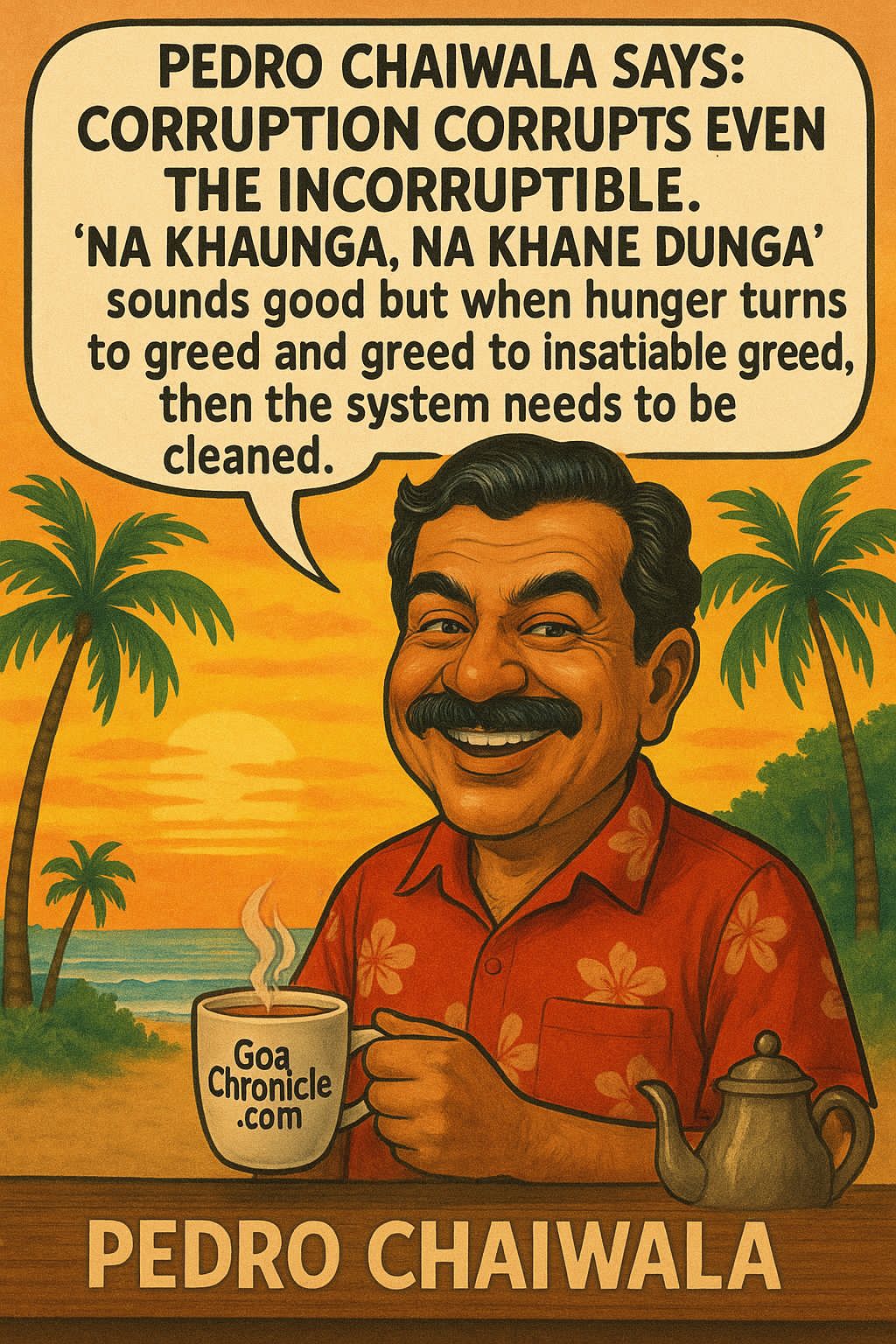







Corruption in Goa is not a slogan. It is not a debating point to be traded on television panels. It is a lived reality that determines who lives safely and who dies, who prospers and who is pushed to the margins, who inherits land and dignity and who inherits rubble, debt and despair. In simple terms, corruption in Goa has become a system where the future of ordinary Goans is quietly consumed, while the present of the corrupt is lavishly fed.
Every corrupt transaction has two sides. On one side is the bribe-taker, whose belly grows fuller with every illegal clearance, ignored violation and manipulated file. On the other side is the Goan citizen, whose future grows thinner – through unsafe buildings, ecological destruction, unaffordable housing, broken governance and loss of faith in institutions.
Take the pattern of illegal constructions and commercial establishments across the state. From coastal belts to hinterland villages, structures rise where they should not, operate without mandatory permissions, and continue even after objections are raised. This is not ignorance; it is design. When rules are selectively applied, enforcement becomes a commodity. Those who pay move ahead. Those who do not are stalled, harassed or crushed. The result is a distorted economy where honest entrepreneurship is punished and illegality is rewarded.
The human cost of this corruption is not theoretical. It is written in blood. Tragedies linked to illegal constructions, overcrowded venues and ignored safety norms have shown how regulatory collapse directly translates into loss of life. Files that should have stopped operations instead moved smoothly. Inspections that should have shut doors were reduced to paperwork rituals. Responsibility dissolved across departments, while profits remained concentrated. When corruption decides who gets licenses and who escapes scrutiny, safety becomes optional – and lives become expendable.
Data consistently underlines this rot. Repeated reports by the Comptroller and Auditor General of India have flagged irregularities in state expenditure, weak monitoring, violations of procedures and lack of accountability. These are not political documents; they are professional audits. Yet, year after year, findings are tabled, debated briefly and then quietly forgotten. When audit observations do not lead to corrective action or prosecution, corruption learns that it can survive scrutiny.
Equally worrying is what happens to citizen complaints. Goa has no shortage of whistleblowers, activists and ordinary people who use the Right to Information law or file complaints exposing illegalities. But the conversion rate from complaint to consequence is abysmally low. Files disappear. Jurisdiction is passed around like a hot potato. Years pass, violators continue, and complainants are left exhausted or intimidated. This gap between exposure and action is where corruption breeds confidence.
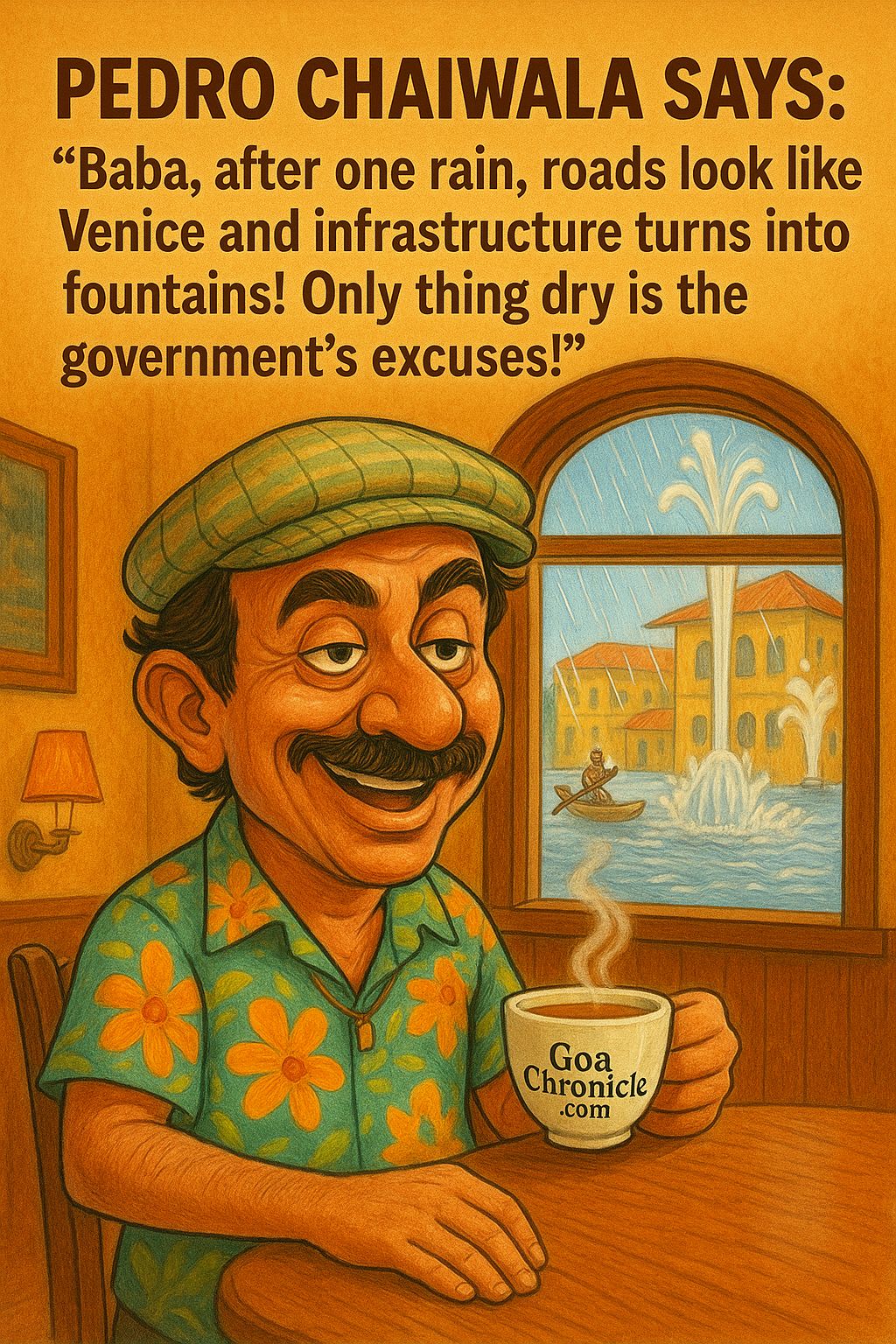
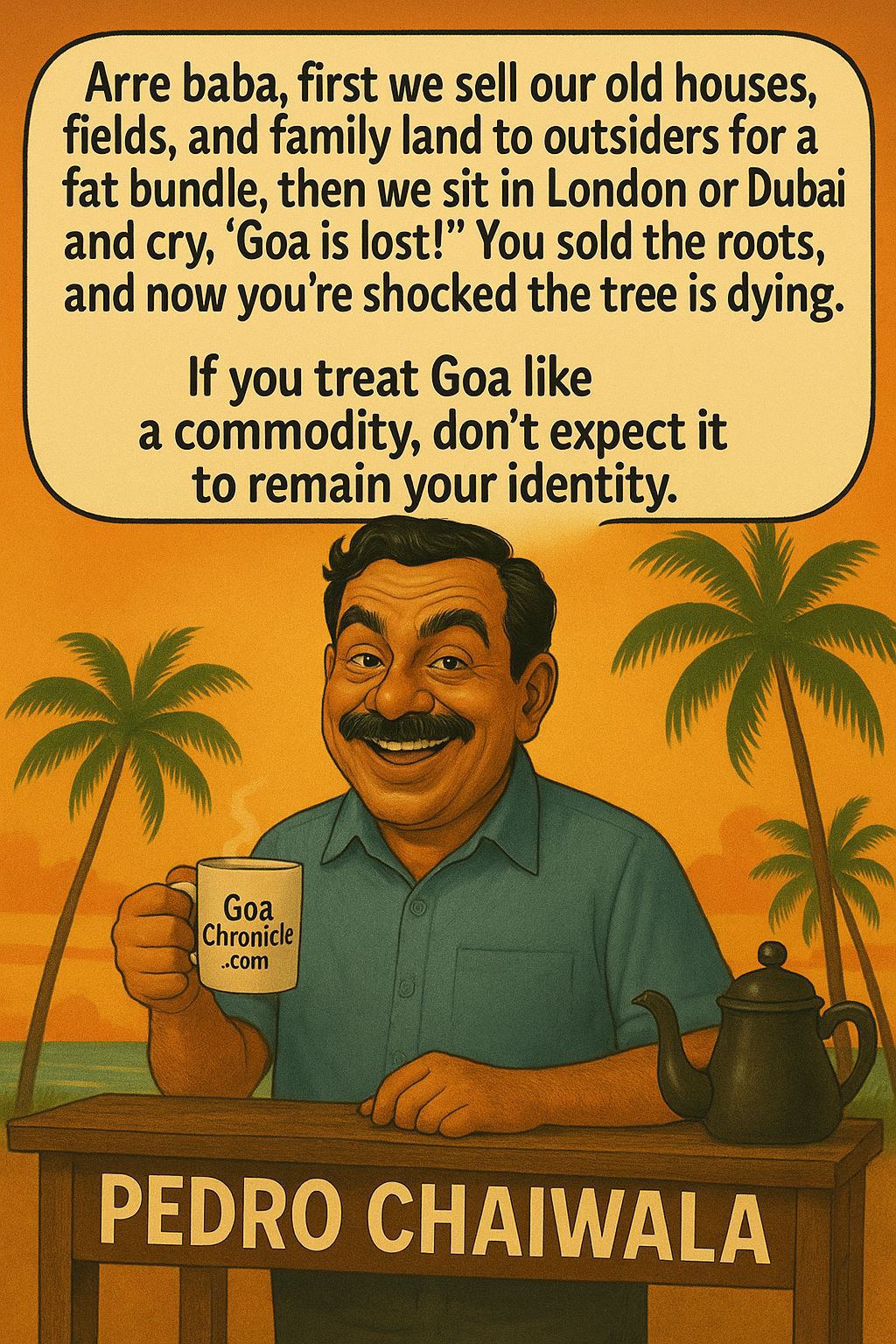
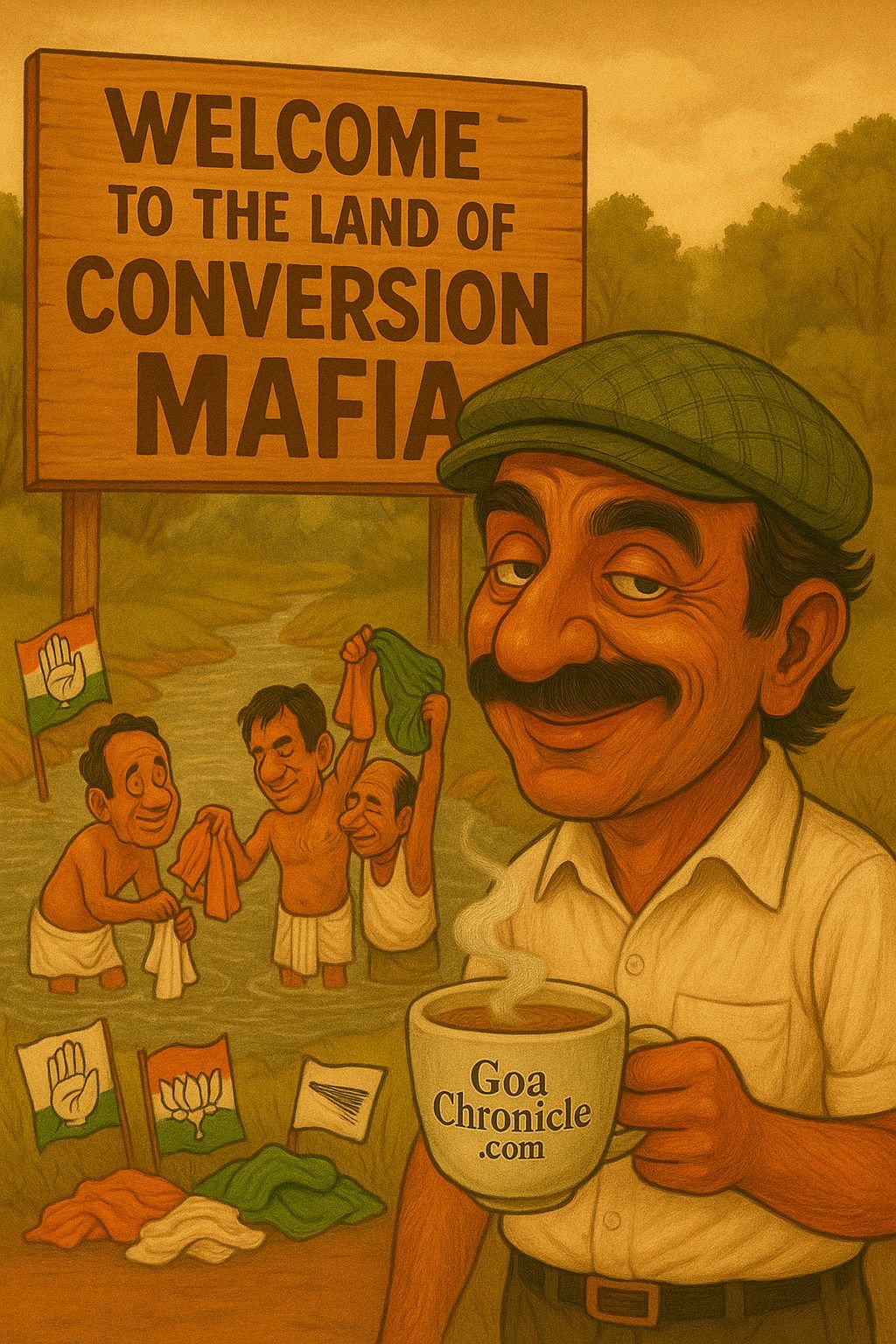
Land is another arena where corruption eats the future of Goans. Forged titles, manipulated survey records, illegal conversions and questionable zoning changes have turned land into the most profitable currency of corruption. Families that held land for generations suddenly find themselves locked in litigation, while well-connected players acquire prime properties at throwaway prices. When land records are compromised, the very idea of inheritance and security collapses. For a small state like Goa, this is nothing short of existential.

Environmental damage is the silent partner of corruption. Hills are cut, wetlands filled, forests fragmented and coastlines stressed – not because laws do not exist, but because they are not enforced equally. Authorities like the Goa Coastal Zone Management Authority are meant to be guardians of fragile ecosystems. But when clear violations attract no real punishment, environmental law becomes a bargaining chip. The long-term cost is borne by fishermen, farmers, tourism workers and future generations who inherit a damaged landscape.
Corruption also distorts Goa’s economy. It creates an uneven playing field where businesses that refuse to pay bribes struggle to survive. Costs rise, delays multiply, and competitiveness suffers. Investors who value transparency stay away, while those comfortable with shortcuts thrive. Over time, this drives away quality investment and replaces it with extractive, short-term profiteering. The state earns less legitimate revenue, public services deteriorate, and the tax burden ultimately shifts onto ordinary citizens.
Perhaps the most corrosive impact is psychological. When corruption becomes normalised, cynicism replaces citizenship. Young Goans begin to believe that merit is irrelevant and integrity is naïve. Public service is seen not as duty but as opportunity. Democracy weakens when people stop believing that institutions can deliver justice. This erosion of trust is the deepest theft corruption commits – because without trust, reform becomes harder and resistance weaker.
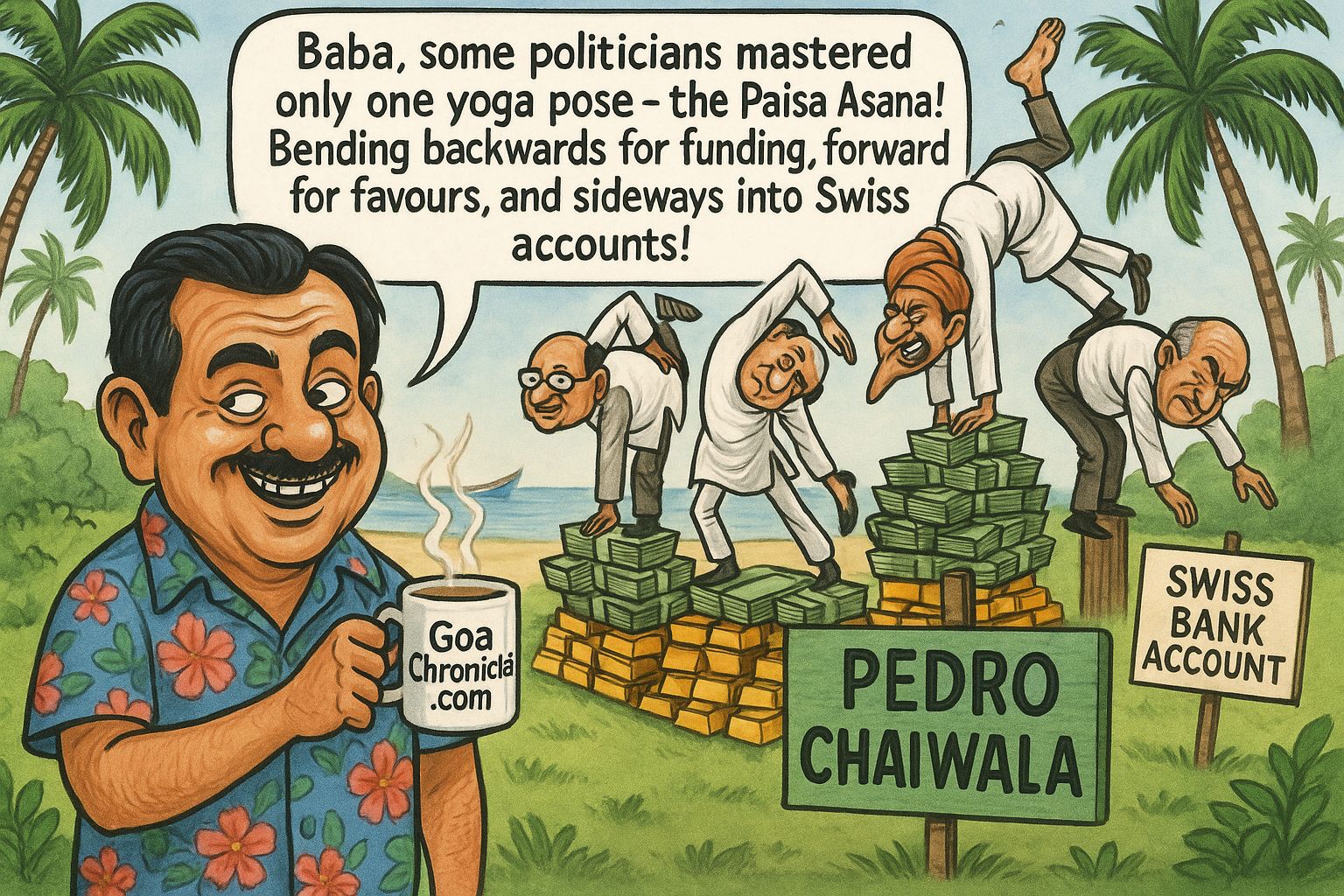
And yet, corruption thrives because it is protected by silence and fear. Lower-level officials are often scapegoated, while the real beneficiaries remain untouched. Political patronage shields repeat offenders. Files move up, blame moves down, and accountability disappears somewhere in between. This is how corruption feeds itself – by ensuring that risk is socialised and reward is privatised.
The choice before Goa is stark. Either corruption continues to eat away at its future – land by land, life by life, institution by institution – or citizens demand a system where rules apply equally, audits have consequences, and public office is treated as public trust. Transparency, digitisation of permissions, time-bound inquiries, asset recovery and protection for whistleblowers are not radical ideas. They are basic requirements for survival.
Corruption fills bellies today, but it starves tomorrow. Goa cannot afford to mortgage its future for the comfort of a few. If we fail to act, history will not remember us as victims – it will remember us as collaborators.