


Key Takeaways
- French Prime Minister Michel Barnier submits final cabinet composition to President Emmanuel Macron, marking a significant step in the country’s political landscape.
- The final cabinet composition is a move towards national unity and political balance, as emphasized by Macron.
- Michel Barnier’s appointment has raised concerns about his conservative views and possible far-right leanings.
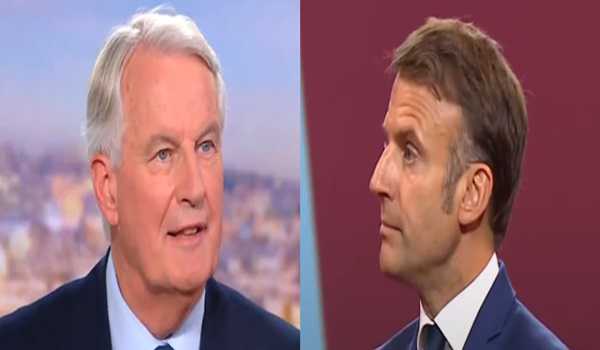
Paris: The newly appointed French Prime Minister, Michel Barnier, has submitted the final list of cabinet ministers to the country’s President Emmanuel Macron, French broadcaster BFMTV reported.
On Thursday, Macron rejected a previously proposed version of the list, considering it “monochrome,” as it had a significant number of representatives of the right-wing Republicans party, of which Barnier is a member, French newspaper Le Monde reported.
The final governmental structure has been sent to the Elysee Palace, BFMTV reported late on Friday, adding that the cabinet composition might be officially announced in the nearest hours before Sunday.

Macron allowed Barnier to decide the government composition, emphasizing national unity and political balance. However, he is concerned that a vote of no confidence could undermine his own presidency.
On September 5, Macron appointed Michel Barnier, the European Union’s chief Brexit negotiator, to the leading position in the French cabinet 60 days after the snap parliamentary elections. He is widely considered a conservative politician, while some even believe he nurtures far-right views. Barnier has advocated limiting migration to the EU and even proposed introducing an entry moratorium for three to five years for all migrants, except asylum seekers and foreign students.
In the snap parliamentary elections in July, the left-wing New Popular Front bloc won the majority of votes, receiving 182 seats out of 577. Macron’s Together coalition came in second, receiving 168 seats in the National Assembly. The right-wing National Rally party with its allies from the Republicans Party became the third force in parliament with 143 seats