
Key Takeaways
- Racism against Northeast Indians in India is a widespread problem that affects their dignity and sense of belonging.
- Ignoring this issue can lead to further marginalization and violence against Northeast Indians in India.
- Addressing this issue requires sustained seriousness, education, and moral responsibility from institutions and ordinary people.
I cannot get that sentence out of my head. Not because it is dramatic, but because it is unbearably ordinary. It is the kind of sentence many people from the Northeast have said at least once in their lives. Sometimes jokingly. Sometimes defensively. Sometimes in fear. This time, it was spoken in pain, close to death. That is what makes it unbearable.
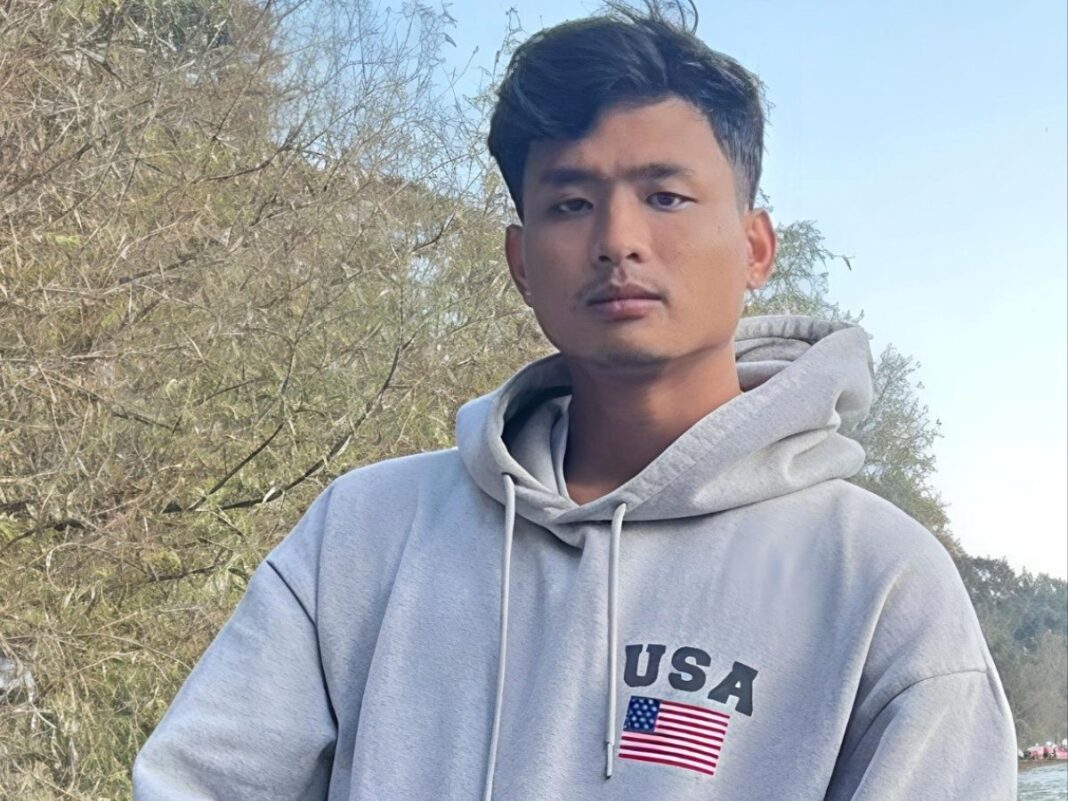
When Angel Chakma was assaulted and reportedly said, “We are not Chinese, we are indians,” he was not making a political statement. He was asking for mercy. He was trying to remind his attackers of something that should never have been questioned in the first place. That is what shakes me. In a country that prides itself on unity in diversity, a young citizen had to plead for recognition as an Indian while being beaten.
I see this as a human issue. Imagine being far from home, studying, and facing suspicion because of your appearance. Imagine being asked “Where are you really from?” That constant questioning can wear people down, and sometimes, it can even lead to death.
What disturbs me most is how familiar this story feels. There is always shock, anger, and promises of action. Candlelight vigils are held. Statements are issued. Then slowly, attention moves on. But for students from the Northeast, the fear remains. They continue to step out of their hostels with a quiet calculation of risk. That, to me, is an ethical failure far greater than a single crime.
Let us be honest. Racism against people from the Northeast is not rare or hidden. It is casual. It lives in jokes, nicknames, stereotypes, and careless comparisons. Many people who would never consider themselves racist still participate in it. They laugh it off as harmless. But nothing is harmless when it repeatedly tells a group of people that they do not belong.
Ethically, the problem is simple. If dignity is equal, then humiliation cannot be selective. Yet we tolerate the humiliation of Northeastern identities in ways we would never tolerate for others. We correct ourselves quickly when we offend certain groups. With the Northeast, correction is slow, reluctant, or absent. That selective sensitivity is not accidental. It reflects whose pain we take seriously.
I also find it deeply troubling how easily we separate such incidents from ourselves. We say, “Those attackers were criminals,” as if that ends the discussion. Of course, they were criminals. But crimes grow in climates. When racial slurs are normalised, violence feels less unthinkable. When people are seen as outsiders, harming them feels less wrong. Ethics demands that we examine not only the act, but the attitudes that made the act possible.
There is another uncomfortable truth we must face. Many Indians understand citizenship emotionally, not constitutionally. Belonging is often judged by appearance, food, language, or religion. If you look different, you are treated as different. That is why Angel Chakma had to say what he said. His passport and constitution were not enough. His body was put on trial.

As someone reflecting on this, I feel a quiet shame. Shame that we have allowed fellow citizens to feel like guests in their own country. Shame that young people leave home to study and end up needing protection simply to exist. Shame that we only speak forcefully after someone dies.
Ethics is not only about condemning wrong actions. It is about asking what kind of people we are becoming. A society that repeatedly fails to protect certain groups must question its moral priorities. Development, growth, and nationalism mean very little if they do not include safety and dignity for all.
I am also troubled by how often institutions react instead of anticipate. Students from the Northeast have been raising concerns for years. Their experiences are not new. Yet support systems remain weak. Police sensitivity is inconsistent. Universities rarely go beyond token orientations. If ethics means responsibility, then ignoring repeated warnings is not neutrality. It is neglect.
What would an ethical response look like? Not just arrests and assurances, though those are necessary. It would look like sustained seriousness. Serious education about the Northeast in schools. Serious consequences for racial harassment, not just physical violence. Serious listening when students speak about fear, not after tragedy but before it.
Most importantly, it would require ordinary people to change. To stop asking intrusive questions. To stop laughing at racist jokes. To intervene when someone is being harassed. Ethics begins in small moments, not only in courts and commissions.
The sentence “We are not Chinese, we are indians” should haunt us because it exposes a moral contradiction. We celebrate India’s diversity loudly, yet struggle to recognise it quietly in daily life. We talk about unity, but demand conformity. We claim pride in citizenship, yet ration dignity.
Angel Chakma should be remembered not only as a victim, but as a mirror. He reflects back to us a country that still has work to do, not just legally but morally. If his death leads only to temporary outrage, we have learned nothing. If it forces us to confront our own prejudices and silences, then perhaps some meaning can emerge from the loss.
No one should have to defend their Indianness with their last breath. Until that becomes unquestionably true for everyone, our ethics remain incomplete.