















New Delhi: Amid the sky rocketing prices of tomatoes, the Union Consumer Affairs
department has directed National Agricultural Cooperative Marketing Federation (NAFED) and National Cooperative Consumers Federation (NCCF) to immediately procure tomatoes from Mandis in Andhra Pradesh, Karnataka and Maharashtra for simultaneous distribution in major consumption centres in a bid to give relief to the costumers.
The stocks of tomato will be distributed through retail outlets at discounted prices to the consumers in Delhi-NCR region by Friday, this week, the Ministry of Consumer Affairs, Food and Public Distribution said in a communique on Wednesday.
The targeted centres for release have been identified on the basis of absolute increase in retail prices over the past one month in centres where prevailing prices are above the All-India average, it said.
Key consumption centres in states having higher concentration of the identified centres are further selected for the intervention, it added.

“Tomato is produced almost in all the states in India, though in varying quantities. Maximum production is in southern and western regions of India, contributing 56-58 per cent of all India production. Southern and Western regions being surplus states, feed to other markets depending on production seasons,” the Ministry said.
The production seasons are also different across regions. The peak harvesting season occurs from December to February, it said.
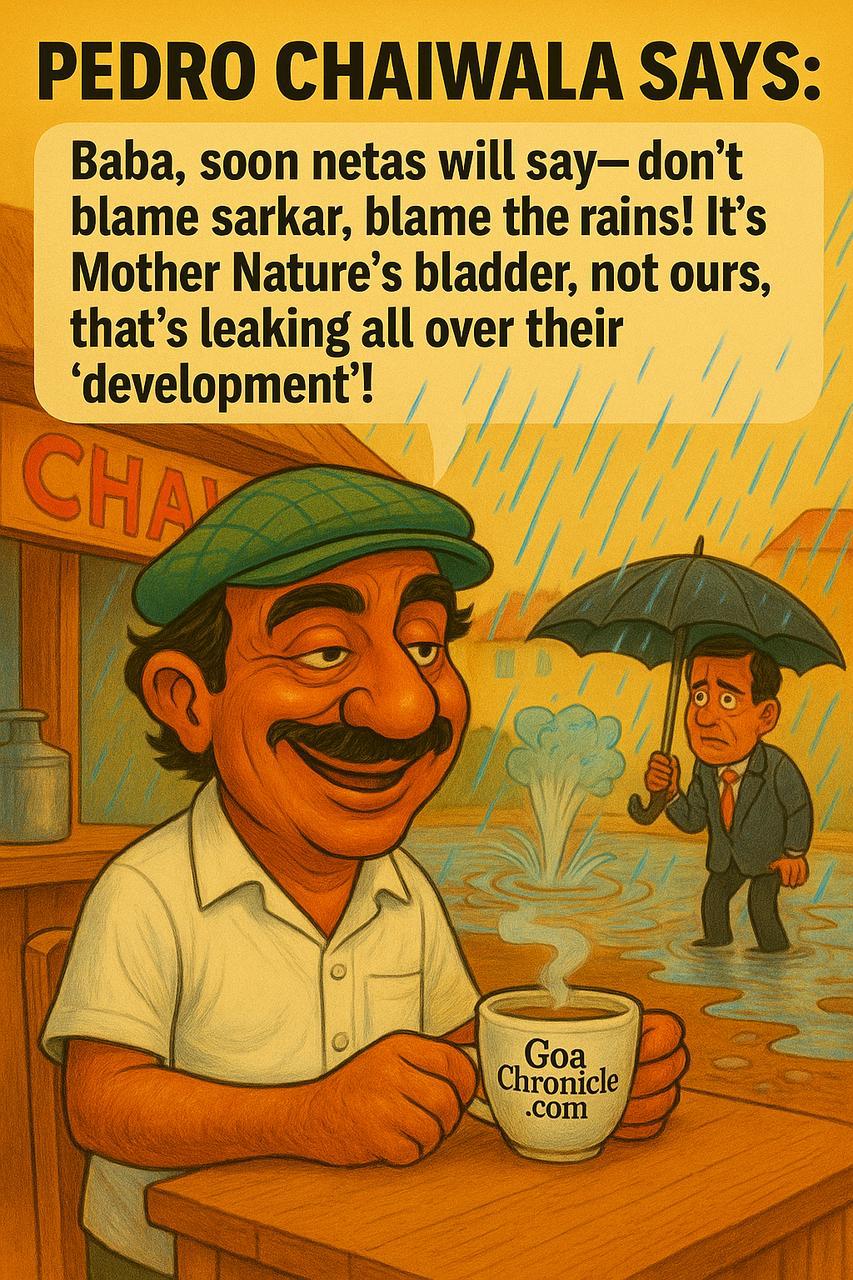
The periods during July-August and October-November are generally the lean production months for tomato. July coinciding with monsoon season, adds to further challenges related to distribution and increased transit losses adding to price rise, the release said.
The cycle of planting and harvesting seasons and variation across regions are primarily responsible for price seasonality in tomato, it said.
Apart from the normal price seasonality, temporary supply chain disruptions and crop damage due to adverse weather conditions etc. often lead to sudden spikes in prices, it added.