
Key Takeaways
- India maintains a policy of neutrality in the West Asia conflict, emphasizing stability over ideology.
- India’s multi-vector diplomacy approach involves engaging diverse stakeholders, including Iran, the US, and Israel.
- Energy security is a pressing concern for India, with a focus on strategic reserves and supplier diversification.
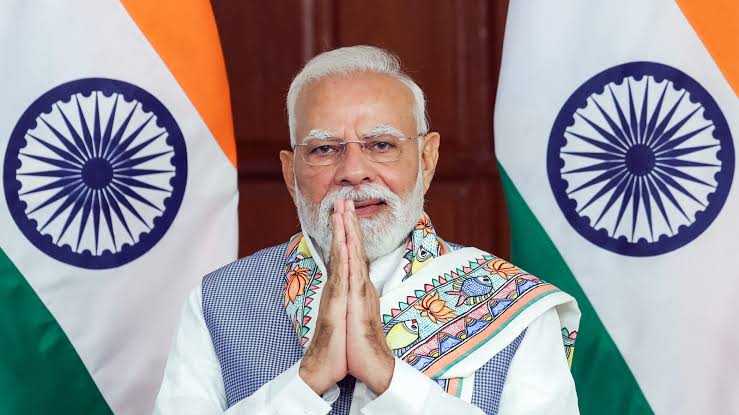
On 23 Mar 2026, Indian PM Modi spoke in the Parliament on the ongoing conflict in West Asia for about 24 minutes.
He framed the ongoing West Asia crisis in terms that reflect a consistent Indian approach: stability over ideology. At a time when global powers are hardening positions, his message was clear – “India will not be drawn into bloc politics.” This position is not new, but its clarity amid a rapidly escalating conflict and regional tensions gives it renewed strategic weight.
Multi-Vector Diplomacy in Practice
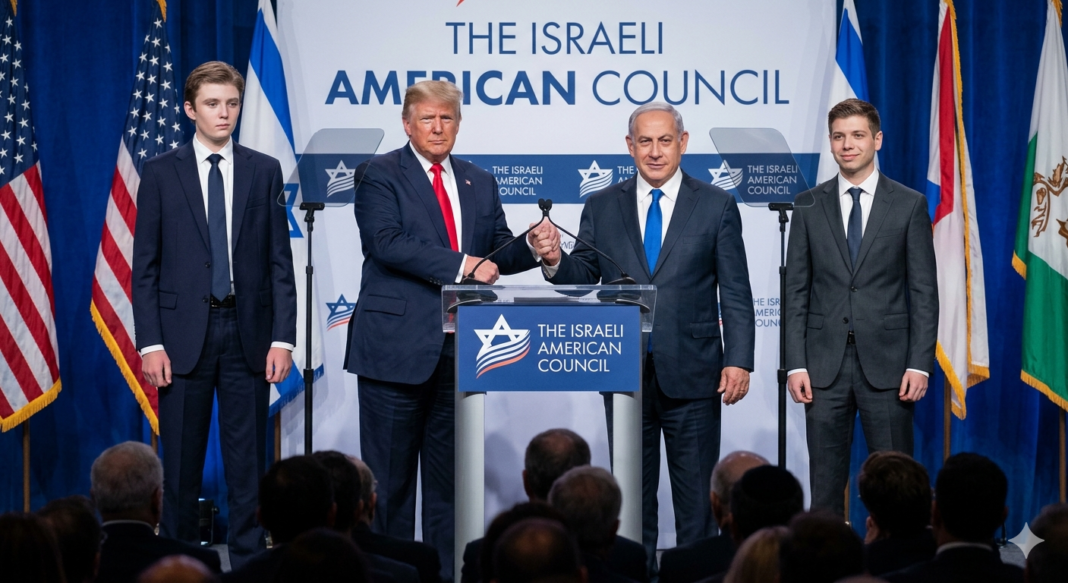
India’s response underscores multi-vector diplomacy – simultaneously engaging diverse and often opposing stakeholders. New Delhi maintains critical ties with Iran for energy and connectivity, while deepening partnerships with the United States and Israel in defence and technology.
This balancing act allows India flexibility, but also demands restraint. The call for dialogue, while consistent with India’s long-standing diplomatic posture, is increasingly seen as principled but low-leverage, in a conflict where hard power dominates outcomes.
Energy, Economics, and Strategic Preparedness
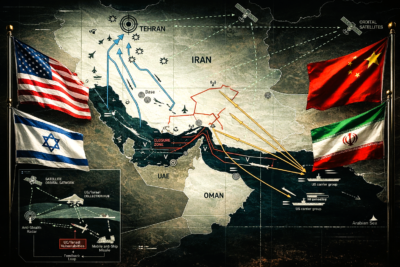
Energy security is a pressing concern for India, as the country is heavily dependent on imported oil. The vulnerability of the Strait of Hormuz, a critical artery for global oil, is a major concern. PM Modi highlighted the need for strategic reserves and supplier diversification, reflecting lessons from past disruptions.

His remarks may be seen as pre-emptive reassurance – an effort to calm markets and signal control over inflationary risks. This is significant for an economy still heavily dependent on imported energy.
The Human Dimension: India’s Diaspora
Beyond geopolitics and economics lies a pressing human concern: the nearly one crore Indians living and working in West Asia. The PM assurance on their safety signals both responsibility and preparedness.
Past evacuation missions, from Ukraine to Sudan, demonstrate India’s growing capability in crisis response. PM Modi’s remarks suggest contingency planning is already underway (obviously!), reinforcing confidence among citizens at home and abroad.
Conclusion
PM Modi’s address can be interpreted as a calming exposition of India’s preparedness, leadership, and stability – projecting confidence in the government’s proactive stance. However, being pragmatic, it also alludes to India’s constraints: its energy dependence, the complexity of its balancing act, and implies the present limits of its influence in shaping outcomes.
PM Modi made it clear – for now, avoid entanglement, preserve interests, and navigate turbulence with strategic autonomy.