
Key Takeaways
- The Museum of Stolen Art in Nepal features replicas of stolen artefacts, including statues of Nepal’s Gods and Goddesses.
- A Nepalese conservationist, Rabindra Puri, is spearheading a project to reclaim Nepal’s cultural heritage and secure the return of dozens of stolen artefacts.
- Forty-five replicas of stolen artefacts, including the Hindu Goddess Saraswati statue, are being created as part of the project.
Nepal: In the city of Bhaktapur, Nepal, stands a museum with an intriguing name – the Museum of Stolen Art – containing replicas of artefacts including statues of Nepal’s Gods and Goddesses whose originals have gone missing.
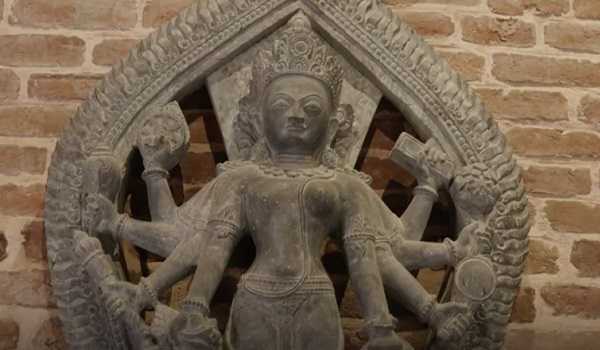
Inside the unique museum are rooms filled with statues. Among these sculptures is a replica of the Hindu Goddess of wisdom, Saraswati, sitting atop a lotus and holding a book, prayer beads and a classical instrument called veena in her four hands.
Like other artefacts in the museum this too is a replica, while the original remains missing. All 45 replicas will be placed in an official site in Panauti, set to open for the public in 2026, according to a BBC Nepali report.
Rabindra Puri, a Nepalese conservationist, is spearheading a mission to secure the return of dozens of Nepal’s stolen artefacts, which are scattered across museums, auction houses, or private collections in countries like the US, UK, and France, as reported.
Without government funding, in the last five years, he has hired half a dozen skilled craftsmen to create replicas, each taking three months to a year to complete, in the hope that these substitutes might encourage overseas institutions to return the originals.

Sanjay Adhikari, the secretary of the Nepal Heritage Recovery Campaign stated that the statues which reside in temples all across are more than mere showpieces but part of the country’s “living culture”.
The history of stolen artefacts of Nepal is long, dating back to the 1960s to the 1980s, when hundreds of valuable artefacts were looted as the country, previously isolated, began opening up to international influences.
Powerful figures in Nepal’s administration are believed to have facilitated these thefts, smuggling the idols out for sale to collectors abroad, the BBC Nepali report claimed.
Nepal has categorised more than 400 artefacts missing from temples and monasteries across the country, but the number is highly likely to be an underestimate, said Saubhagya Pradhananga, who heads the official Department of Archaeology.