


Key Takeaways
- App-based cab services are transforming Goa’s tourism industry by providing reliable transportation, standardized pricing, and convenience to tourists.
- Taxi operators are resisting the shift to app-based services, fearing for their livelihoods and market control.
- App-based cab services offer a transparent and standard experience to tourists, addressing concerns about transportation costs and reliability.
Goa’s renowned landscapes and serene beaches have long been a draw for tourists, but beneath this picturesque exterior, a growing conflict is brewing between traditional taxi operators and the rise of app-based cab services. This struggle has thrust Goa’s transportation issues into the spotlight. Despite a population of just 15.78 lakhs, Goa welcomes over 10 lakh tourists annually, yet lacks a well-organized and efficient transport system. In 2023, the state experienced a troubling 25% drop in tourist arrivals compared to pre-pandemic levels in 2019, with inadequate transportation and exorbitant taxi rates cited as major factors.
The absence of online cab aggregators further exacerbates the issue. Goa’s taxi industry, largely unregulated and dominated by unorganized self-drive and hired taxis, is now facing pressure from changing policies. As app-based cab services begin to gain traction, local taxi operators are fiercely resisting this shift, fearing for their livelihoods and market control. The need of the hour is to examine the economic implications of this conflict, explore how app-based cabs could help sustain Goa’s tourism sector, and identify potential solutions to ease the ongoing tensions.
The rise of taxi operators in Goa
Goa’s taxi conflict traces its roots back to the late 1980s, a period of significant economic transition for the state. Goa’s transformation from an agrarian economy to a tourist hotspot in the late 1980s led to the emergence of taxi operators as a key livelihood. Major hospitality players made promises to local stakeholders, generating jobs for the local population.
As tourism flourished, so did the power and influence of these taxi operators. They quickly became entrenched in Goa’s political and economic fabric, wielding substantial control over the local transportation landscape. This entrenched influence has since made it difficult to introduce new competitors into the market, allowing traditional taxi operators to maintain a firm grip on Goa’s transportation system.
The current crisis – Taxi operators vs. app-based services
The current conflict has reached a boiling point, with traditional taxi operators making several demands to protect their interests. These include the removal of app-based cab counters at the Mopa Airport, the rollback of parking and pick-up charges, and the cessation of what they perceive as illegal trade practices by private taxi services. For these operators, the issue is not just about competition—it’s about safeguarding their livelihoods in the face of a rapidly changing industry.
Their demands highlight the deep-seated fears of being edged out by more efficient, tech-savvy competitors. However, the state government has made it clear that app-based services are here to stay, arguing that they bring much-needed regulation and reliability to Goa’s tourism sector. It has also led to significant financial implications for the state. Tourist taxis in Goa neither pay tax nor fall under the GST system. Their opposition to joining app-based platforms has resulted in a loss of approximately Rs 500 crore to the government.
How app-based cabs are transforming tourism
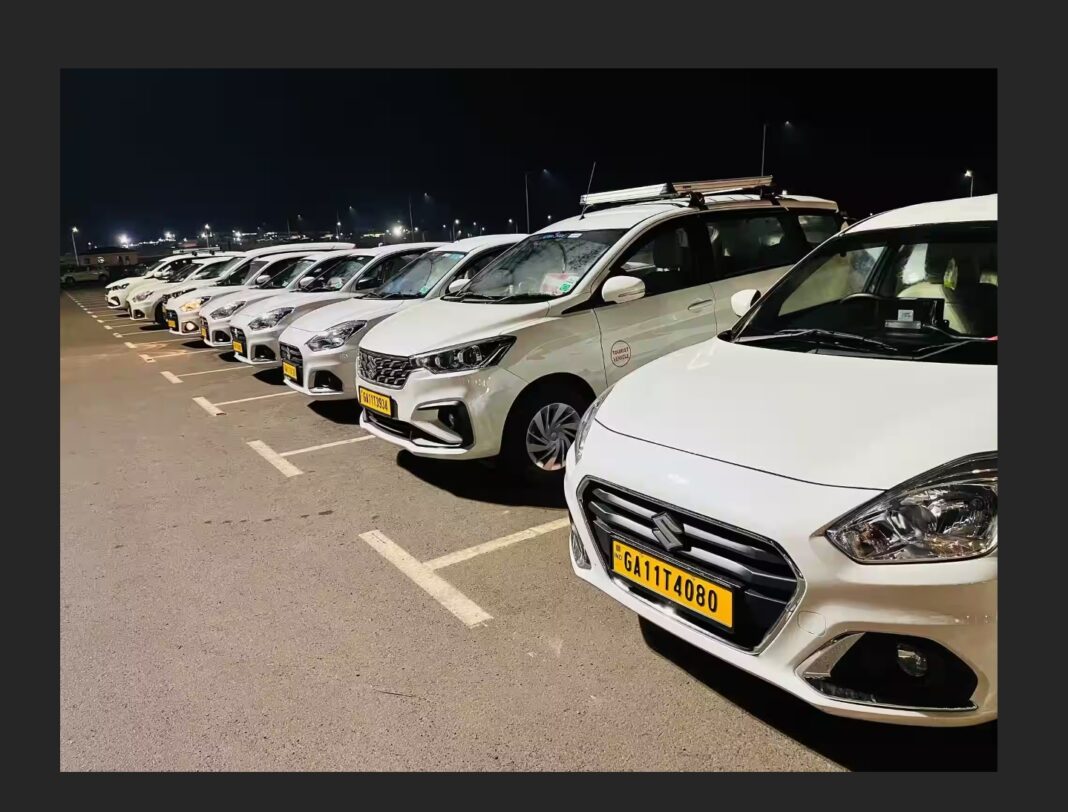
App-based cab services like GoaMiles and Savaari Car Rentals have started to fill the gaps in Goa’s transportation system, addressing long-standing issues such as unmetered fares, overcharging, and unreliable services. These platforms offer standardized pricing, which is particularly important in a tourist-heavy region where visitors are often unfamiliar with local rates.
Moreover, the convenience of being able to book a cab via an app, with the assurance of a set fare and timely service, is a significant improvement over the traditional system. With app-based cab services, tourists can enjoy a hassle-free experience, avoiding haggling with drivers and overcharging, and ensuring a more positive overall experience.
Why reliable transportation matters for tourism businesses
From the perspective of hotel owners, tour operators, and businesses, reliable transportation is a cornerstone of a thriving tourism industry. Tourism stakeholders emphasize that the cost of transportation significantly influences a tourist’s overall experience and perception of value. When tourists come to Goa for an extended stay—typically more than two or three nights—they inevitably compare the taxi fares with those in other destinations. Many find that they are paying considerably more for transportation in Goa, which can detract from their overall enjoyment of the trip.

This price disparity has a tangible impact on the choices tourists make, with some opting to explore international destinations like Thailand, which offers perks such as free visas and special wedding packages, often at a lower overall cost. App-based cab services play a vital role in mitigating these concerns by providing a transparent and standardized pricing model, which helps tourists budget more effectively and avoid the sticker shock often associated with traditional taxi services in Goa. For businesses, this translates to a more consistent flow of customers who are likely to extend their stay or spend more on other experiences, knowing that they won’t be surprised by high transportation costs.
App-based cabs aligning with Digital India – A leap towards modernization
Goa’s economy depends primarily on three sectors – tourism, mining and agriculture. Around 40% of the population is directly or indirectly dependent on tourism, around 15% is dependent on mining, and around 10% is dependent on agriculture. In this context, the introduction of app-based cab services in Goa is more than just a technological advancement; it’s a vital step towards aligning with the Government of India’s Digital India campaign, which seeks to improve online infrastructure and make essential services more accessible to all citizens. App-based cab services are not just about convenience; they are a critical part of India’s digital transformation. By integrating local car rentals with chauffeurs into these platforms, we can ensure a seamless travel experience for tourists while promoting better tourism infrastructure in Goa, making it more efficient, transparent, and tourist-friendly.
Embracing change for a sustainable future
While the resistance from traditional taxi operators is understandable, there is a path forward that benefits everyone. By embracing app-based platforms, these operators can continue to run their businesses while also enjoying the benefits of a broader customer base and improved service standards.
One compelling reason for local taxi operators in Goa to embrace app-based services is the potential for significantly increased earnings, as demonstrated in other tourist destinations. For example, in Jaipur, local drivers who joined ride-sharing platforms saw their monthly income rise by 30-40% due to higher ride volumes and the ability to cater to a broader customer base, including international tourists who prefer the transparency and reliability of app-based services.
Similarly, hotels and restaurants in Goa that partnered with online booking platforms have reported higher occupancy rates and increased revenues, even during off-peak seasons. By integrating with these platforms, local taxi operators can tap into a larger market, benefit from dynamic pricing, and build a reputation that attracts repeat business, ultimately boosting their earnings and securing their livelihoods.
Navigating the future of Goa’s tourism
As Goa continues to evolve as a top tourist destination, the introduction of app-based cab services is a crucial step in modernizing its transportation infrastructure. These platforms not only align with the broader goals of Digital India but also address long-standing issues in the local taxi industry, ensuring that Goa remains a welcoming and convenient destination for travellers from around the world.
In the end, the future of Goa’s tourism hinges on the ability of all stakeholders to adapt to new technologies and work together to create a more efficient, transparent, and tourist-friendly transportation system. App-based cabs are not just the future—they are the key to keeping Goa’s tourism industry afloat.