
Key Takeaways
- Nearly 300 families were evacuated from the clashes-hit areas of Tripoli.
- The fighting involved the 444th Brigade and the Special Deterrence Force, sparked by the detention of commander Mahmud Hamza.
- The clashes resulted in 55 deaths and 146 injuries, prompting a temporary ceasefire and the restoration of movement in Tripoli.
Benghazi: Nearly 300 families have been evacuated from the areas of Libya’s capital Tripoli where armed clashes have taken place, Malik Marsit, the spokesperson for the Emergency Medicine and Support Center of the Health Ministry of the Libyan Government of National Unity (GNU), told Sputnik on Wednesday.
“The Emergency Medicine and Support Center has evacuated over 296 families trapped in clashes in several areas of Tripoli,” Marsit said.
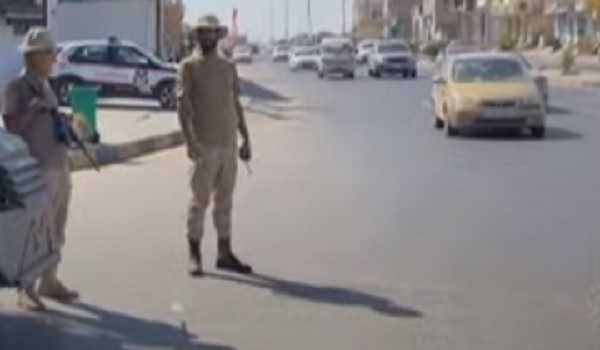
The spokesperson added that it was calm in Tripoli on Wednesday after the cessation of hostilities. Marsit noted that regular movement has been restored in the clashes-hit areas and that shops have started operating again.

A total of 55 people have been killed and 146 others injured over the two days of clashes in Tripoli. Local media reported these figures earlier in the day.
Clashes broke out in Tripoli on Monday night between the 444th brigade and the Special Deterrence Force, both affiliated with GNU. The violence was triggered by the detention of 444th Brigade commander Mahmud Hamza by the Special Deterrence Force as he attempted to travel through Tripoli’s Mitiga International Airport, which the rival group controls. The GNU declared a state of emergency in the affected city areas and suspended flights at the airport. GNU Prime Minister Abdelhamid Dbeibah reportedly brokered an agreement late on Tuesday for Hamza to be handed over to a third party, after which a ceasefire would follow.
Libya is currently ruled by two contending governments. Libya’s western part is controlled by the UN-backed Government of National Accord sitting in Tripoli, while the eastern part is under the Government of National Stability, which is supported by the Libyan National Army. The south of the country remains in turmoil due to civil unrest, the persisting terrorist threat and armed tribal violence.