





There is a moment in every democracy when silence becomes complicity. Goa is staring at that moment today. The land once celebrated as Dev Bhoomi – a space of harmony between nature, culture, and community – is now gasping under the weight of poor governance, systemic corruption, and a dangerous erosion of accountability. Governance in Goa does not need cosmetic reform. It needs a shake-up. And Prime Minister Narendra Modi must not look away.
This is not a partisan argument. This is a civilisational plea. Goa is too small, too precious, and too strategically important to be left to administrative lethargy and moral decay. When governance collapses in a small state, its consequences are magnified. Every illegal structure, every compromised clearance, every bribe taken or blind eye turned does not remain an isolated act – it becomes a threat to lives, livelihoods, and India’s image itself.
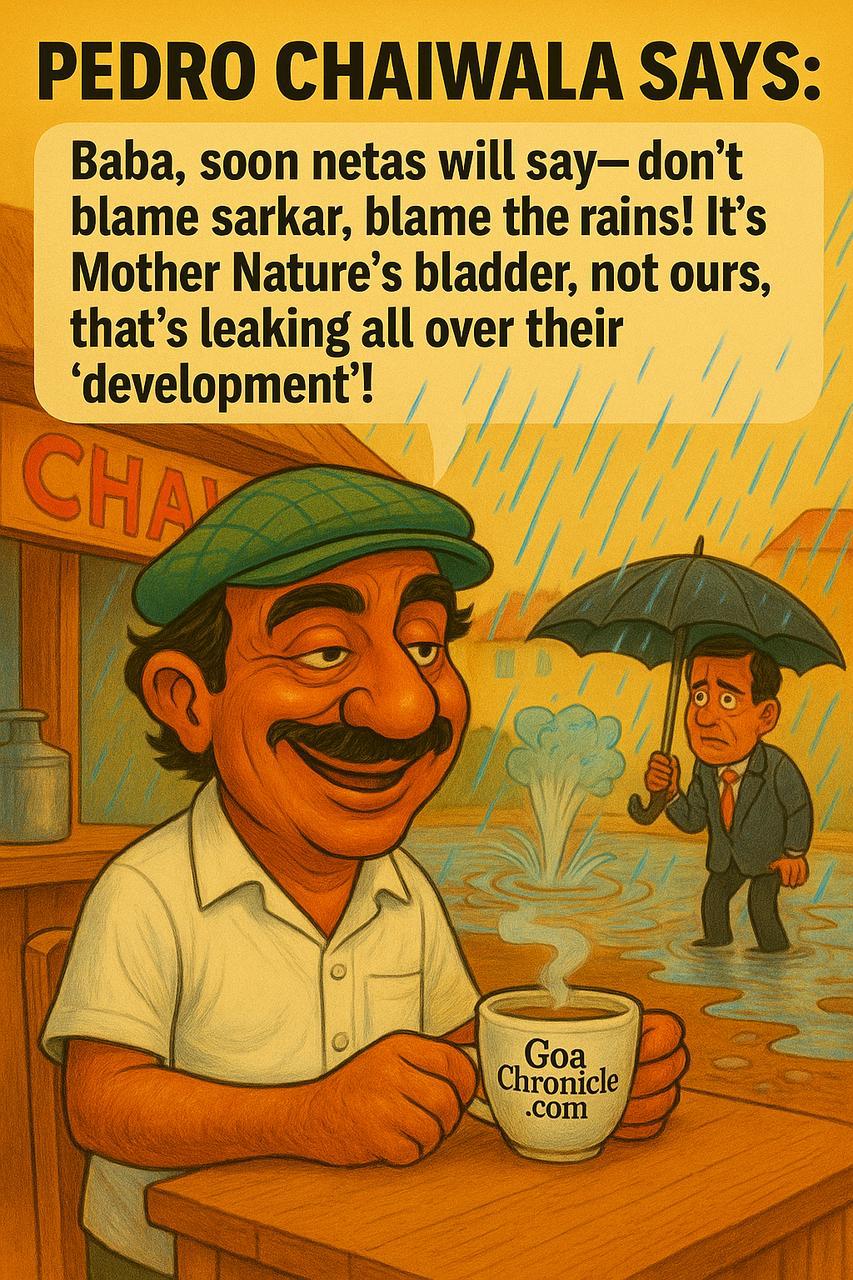
Recent tragedies in Goa are not accidents. They are outcomes. Outcomes of a governance ecosystem where files move faster than facts, permissions are granted without inspections, and human life is reduced to a line item in compensation packages. When governance loses its human core, the state stops serving citizens and starts protecting offenders. That is where Goa stands today.
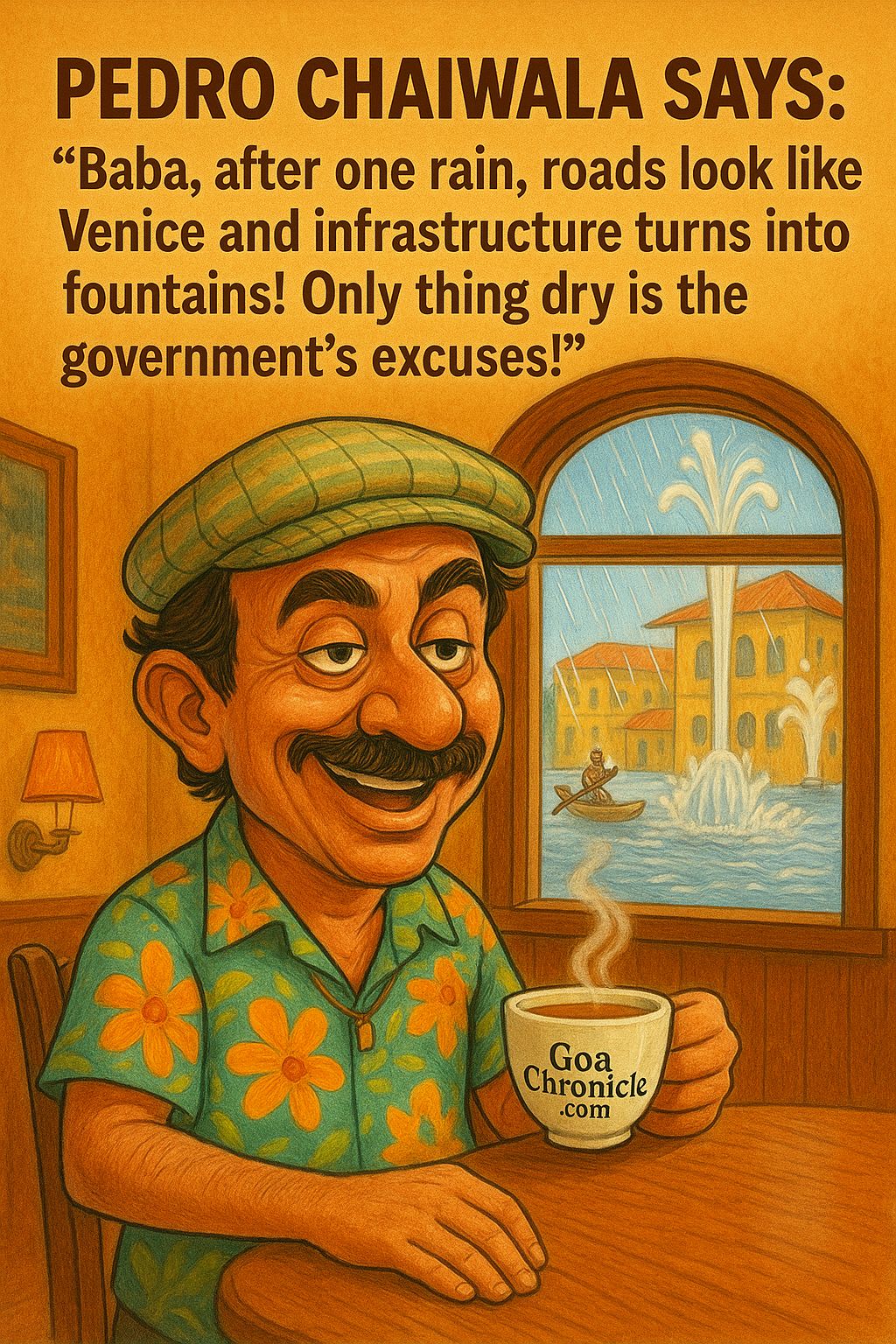
Modiji has repeatedly spoken about minimum government, maximum governance. Goa today reflects the opposite: maximum government interference where it suits vested interests, and minimum governance where it matters most – law enforcement, urban planning, environmental protection, and public safety. From illegal nightclubs to rampant land conversions, from ecological destruction to unchecked narcotics and crime, the signs are not subtle. They are screaming warnings.
The tragedy is not merely that laws are broken. Laws are broken everywhere. The tragedy is that in Goa, laws are broken openly, routinely, and without fear. That fearlessness does not come from courage; it comes from political protection and administrative surrender. When violators know that consequences are unlikely, governance has already failed.
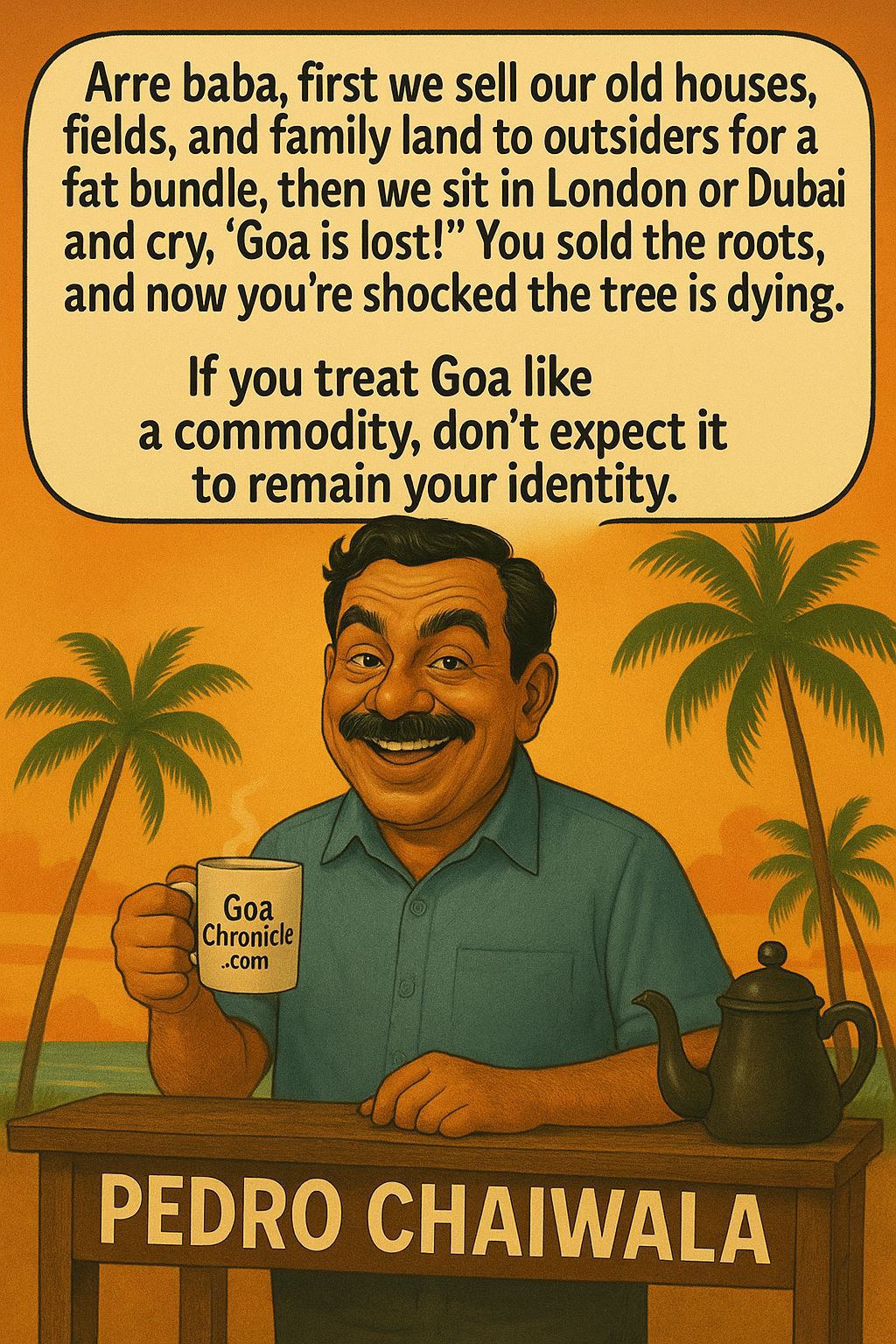
Goa’s governance crisis is also moral. The state is being reduced to a playground for excess – where profit trumps people, and pleasure trumps principle. Tourism cannot be an excuse for lawlessness. Economic growth cannot be built on the graves of safety norms and environmental safeguards. A state that markets itself as paradise cannot operate like a moral vacuum.
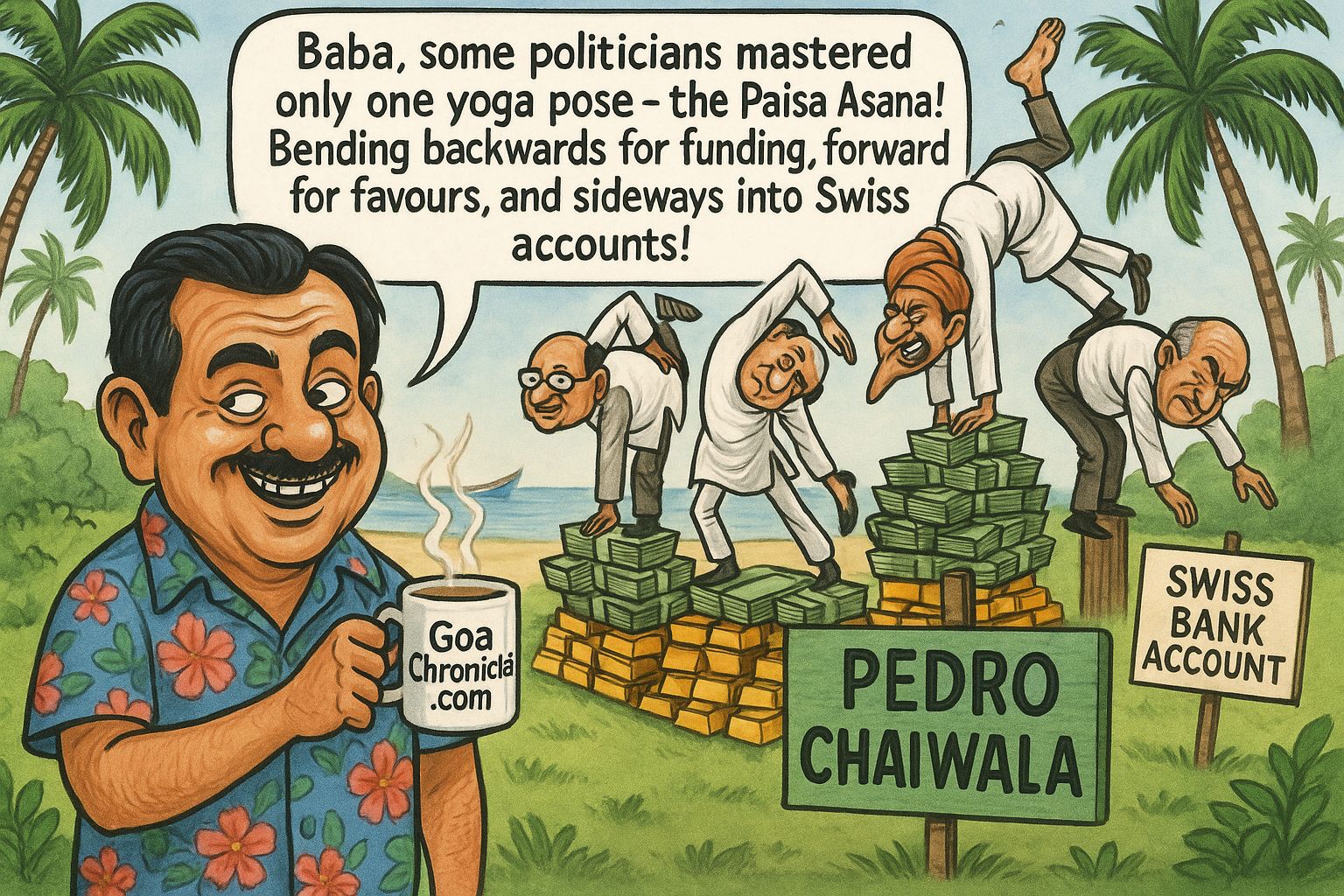
Modiji, you have often said that corruption is not just theft of money but theft of opportunity. In Goa, corruption has become theft of life itself. When illegal operations flourish despite repeated complaints, inspections, and warnings, it is not incompetence—it is collusion. And collusion corrodes the very idea of governance.
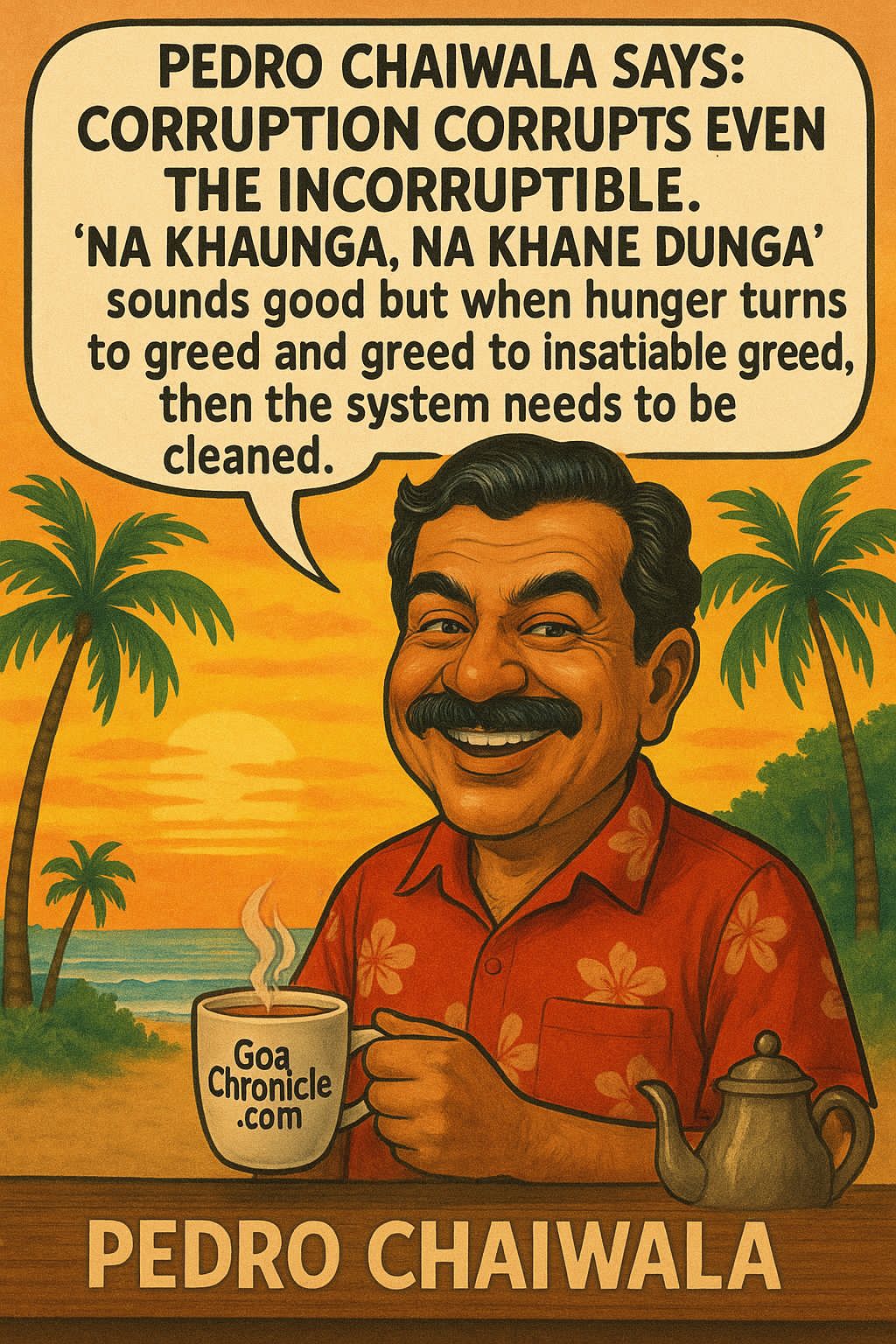
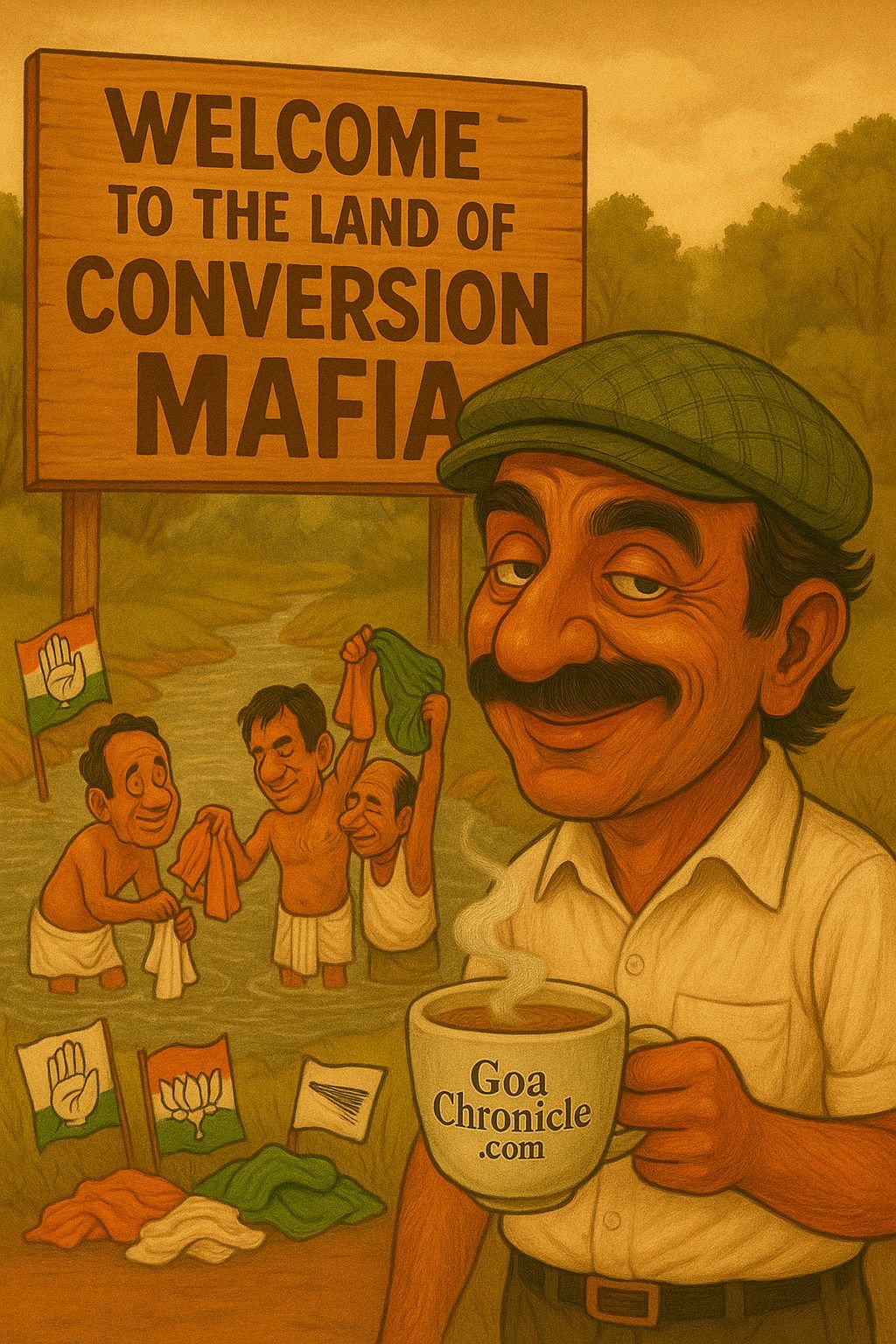
Modiji, you gave the nation a powerful moral slogan – “Na khaunga, na khanne doonga.” It resonated because it promised a new ethical contract between the state and the citizen. But in Goa today, that promise feels mocked. Here, people are not merely sipping from the fountain of corruption – they are drinking uncontrollably from it, as if it were a birthright. Licences are bought, violations are negotiated, and silence is rewarded. The fountain flows freely because no one fears the hand that is supposed to shut it down. When corruption becomes casual, even celebratory, it signals not just a failure of enforcement but a collapse of moral authority. Until that fountain is sealed and those bathing in it are publicly held accountable, slogans will remain soundbites and governance will remain hollow.

This is why Goa needs a shake-up, not a reshuffle. Cosmetic changes will not work. What Goa needs is a hard audit of governance – starting from panchayats to the highest offices. Who cleared what? Who ignored which violations? Who benefited? Governance must move from fire-fighting to fire-prevention. Accountability must replace ambiguity.
The Prime Minister’s Office must take a direct interest in Goa, not because Goa is failing India, but because India cannot afford to let Goa fail. Goa is India’s cultural window to the world. What happens here shapes perceptions far beyond its borders. If governance collapses here, the damage is national.
This is also about restoring fear of the law – not fear of authority, but respect for rules. The honest officer in Goa today feels isolated. The corrupt feel emboldened. This inversion must be corrected. Officers who uphold the law need protection and backing from the Centre. Those who compromise it must face swift and visible consequences.
A governance shake-up also means listening to citizens – not dismissing them as activists, troublemakers, or anti-development voices. Goans are not against development. They are against destruction masquerading as development. They are not anti-tourism. They are anti-lawlessness. Governance must learn the difference.
Modiji, your political capital is strongest when you act decisively against entrenched interests. Goa needs that decisiveness now. Not speeches. Not assurances. Action. Independent probes. Administrative overhaul. A clear message that no one – no politician, no bureaucrat, no businessman – is above the law.
History will not judge Goa by its beaches or nightlife alone. It will judge Goa by whether it had the courage to correct itself before it was too late. Governance is the spine of that correction. And when the spine bends too long, it needs straightening.
This is not an attack on a government. It is a call to conscience. Goa is asking not for favours, but for fairness. Not for sympathy, but for systems that work. Governance in Goa needs a shake-up, Modiji. For Goa’s sake. And for India’s.