











Goa stands at a crossroads where its aspirations of being a modern, progressive, digital state clash directly with the outdated systems that continue to dominate its daily life. Nothing reflects this contradiction more sharply than our taxi ecosystem. We claim to be a Smart State, we boast of high-end tourism, we talk about Viksit Bharat and Digital India, yet we cannot provide one of the most basic services that every evolving society must guarantee – reliable, transparent, app-based taxi mobility.
And let’s make this very clear: Goa needs app-based taxis not as a favour to tourists, not as a luxury, and not as an experiment. Goa needs app-based taxis for Goans first. For decades, the taxi conversation has been hijacked by a narrative that pits locals against tourists or taxi operators against everyone else. This narrative has distracted us from the truth. The real issue is not tourists versus taxi drivers. The real issue is progress versus stagnation.
The real question is simple: Should mobility in Goa continue to operate in a system where the fare varies depending on whether the sun is shining, the taxi stand leader is in a good mood, or the passenger looks like they have a hotel booking? Ask any Goan who depends on public transport or taxis, and the frustration is the same – unpredictable fares, inconsistent availability, no accountability, zero transparency, no digital options, and an unspoken fear that asking for a fair price will invite confrontation.
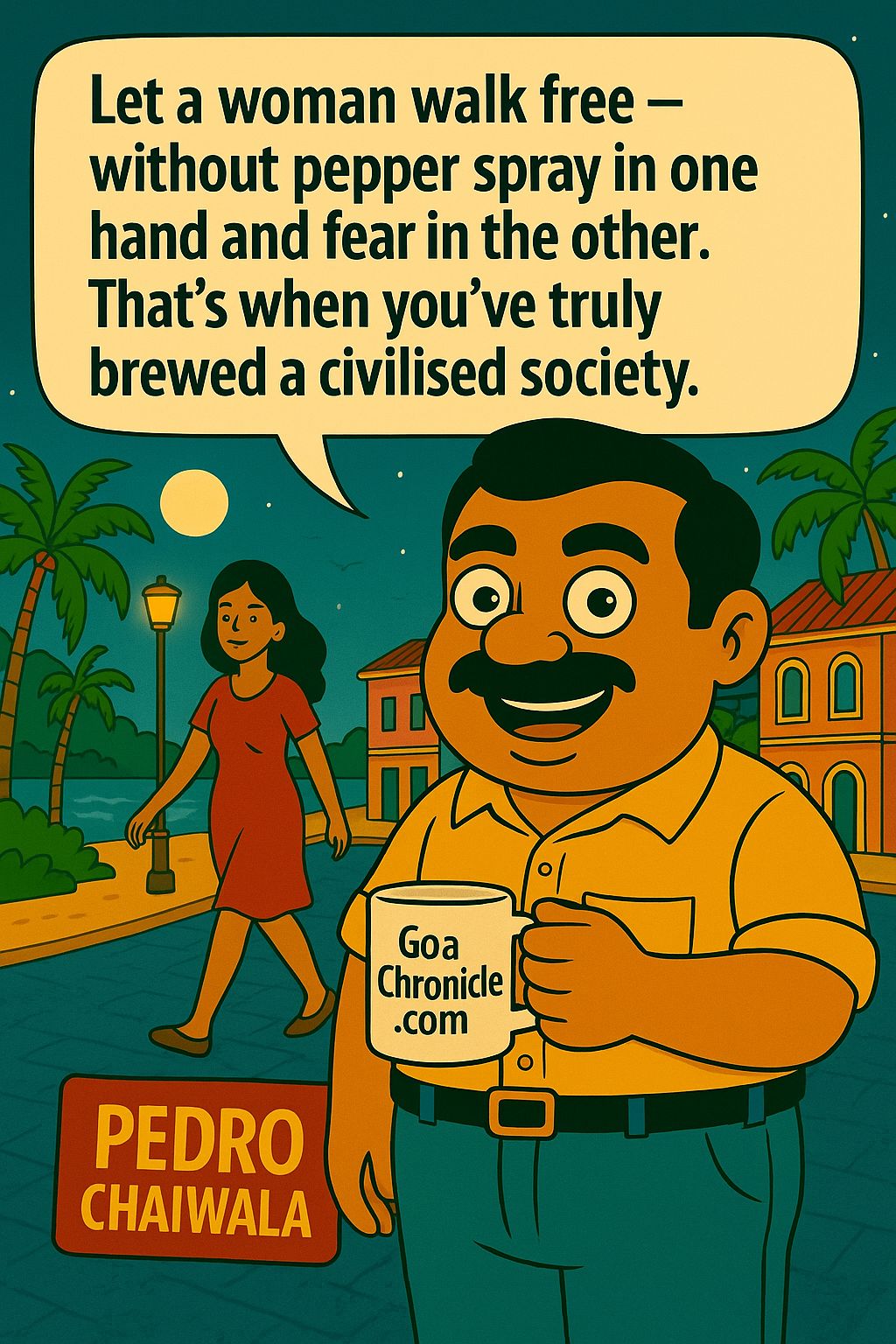
In 2025, when India is preparing for quantum leaps in technology, Goa is still debating the basics of predictable mobility. It is absurd. App-based taxis are not just a convenience; they are a necessity for the elderly who can no longer drive, for parents whose children return late from college, for women working night shifts, for villagers cut off from proper bus routes, and for thousands of Goans who simply want the dignity of dependable transportation in their own state. These are people whose daily lives are affected – not once in a while, not during the season, but every single day. And yet the system continues to ignore them.
Of course, tourists also suffer. A visitor who lands in Goa and faces an overpriced, unpredictable taxi experience will carry that memory longer than any beach sunset. Goa spends crores on tourism promotion campaigns, but all that marketing collapses the moment a tourist feels cheated the instant they step out of Dabolim or Mopa. Today’s traveler expects transparency, GPS tracking, digital payments, a record of their driver, and fair pricing. These are not luxuries; these are global norms. Goa cannot call itself a world-class destination when its most essential service feels like a gamble.
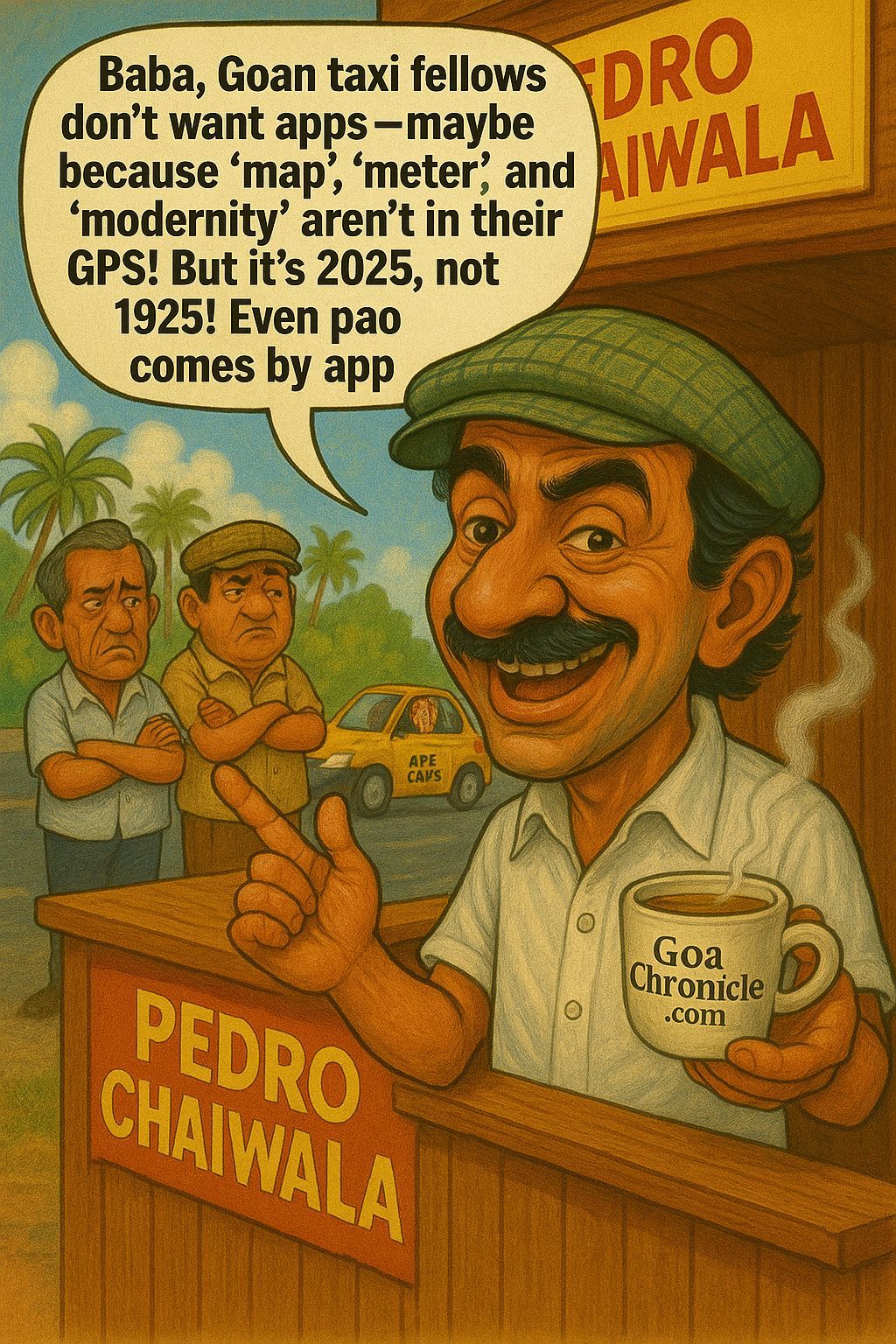
But let’s also acknowledge the fears of traditional taxi operators. Their resistance is not because they are villains; it is because they fear change. When a man has operated for decades in a particular system, disruption feels threatening. But every state in India has gone through this transition—Maharashtra, Karnataka, Kerala, Rajasthan, Delhi—and drivers in those states eventually realised they earned more with app-based systems because demand increased, arguments reduced, payments were streamlined, and tourists trusted them more.
Goa’s drivers can benefit in the same way. What they need is training, support, digital integration, and a state-backed cooperative model that protects their interests while allowing Goa to grow. What they do not need is political fear-mongering that weaponises their insecurity and keeps Goa trapped in an outdated model.

And this is where the government must finally show spine. For years, every administration has tiptoed around this issue, organising committees, holding meetings, making promises, then retreating under pressure. But mobility is not a favour; it is the backbone of governance. It affects safety, employment, tourism, and the daily functioning of society. Goa deserves a system where a mother doesn’t need to wonder how her daughter will reach home at night. Goa deserves a system where a young entrepreneur can schedule meetings without praying that a taxi will appear. Goa deserves a system where a tourist’s first experience isn’t a negotiation battle outside the airport.
App-based taxis bring order to chaos – predictable fares, verified drivers, GPS tracking, digital records, and accountability. The benefits go far beyond convenience. Women feel safer in tracked rides. Drunk driving cases drop because late-night transport becomes available. Families no longer need multiple vehicles. Youth get new income opportunities. Villages finally connect to the state’s mobility grid. And all of this strengthens Goa – not weakens it.
The heart of the problem is cultural rather than technological. Goa must decide whether it wants to protect outdated systems at the cost of progress. We can respect taxi operators without holding the state hostage. We can honour tradition while still embracing evolution. We can protect livelihoods while modernising the system.
App-based taxis are not an attack on Goan identity. They are a step toward a functional, fair, and forward-thinking Goa. A Goa where the mother who needs a ride for her son gets it. A Goa where the senior citizen who wants to visit the doctor can do so without stress. A Goa where the tourist who saves for a holiday leaves with respect for our state rather than frustration over a taxi fare. A Goa where movement is not a privilege but a right.
Goa needs app-based taxis – unapologetically, urgently, and undeniably. For Goans first. For tourists too. And for a future where Goa finally moves in the direction it has always claimed it wants to go.
As Goa’s Chief Minister, Dr Sawant, I believe this is a defining moment for our state. The decision to introduce transparent, app-based taxi services is more than a policy shift – it is an opportunity to leave a legacy of modern mobility, safety, and dignity for every Goan. Goa deserves a system that reflects our aspirations, not our fears. By embracing technology, empowering taxi operators, and ensuring fair, reliable transport for both locals and tourists, we can set a new benchmark for governance. This is our chance to shape a forward-looking, progressive Goa. Let us seize it with clarity, courage, and conviction. If we give in to the demands of a few in the taxi mafia, we sacrifice the progress and dignity of an entire state – Goa deserves better.”