
Key Takeaways
- The quota reform movement in Bangladesh resulted in the deaths of 580 people, including 42 police officers.
- Sheikh Hasina resigned as Prime Minister amidst a student-led uprising, and Nobel laureate Dr. Mohammad Yunus took oath as chief adviser to an interim government.
- Awami League leaders and activists were targeted during the protests, with many being attacked and their homes set on fire.
Dhaka: At least 580 people were killed in Bangladesh over nearly four weeks till Sunday in the fierce quota reforms movement and subsequent widespread violent protests that continued even after the fall of the Sheikh Hasina regime, media reports said, adding that 42 police officers were among those killed between July 16 and August 6.
Between July 16 and August 6, 542 deaths were reported as a result of the quota reform campaign and subsequent protests. There were 216 deaths reported between July 16 and August 3, with the remaining 326 occurring between August 4 and August 6, the Prothom Alo reported.
Sheikh Hasina resigned as prime minister and left the country for India on August 5 in the face of a student-led uprising. On August 8, Nobel laureate Dr. Mohammad Yunus took oath as chief adviser to an interim government.
Between August 4–6, at least 87 leaders and activists from the Awami League, Jubo League, Swecchasebak League, and Chhatra League were killed. At least 36 of the victims were police officers.
Inspector General of Police Moinul Islam confirmed on Sunday that 42 police officers were killed between July 16 and August 6.
There were at least 23 students among the casualties between August 4 and 6. During this time, at least 12 leaders, activists, and sympathisers of the Bangladesh Nationalist Party (BNP) and its affiliated groups were killed.

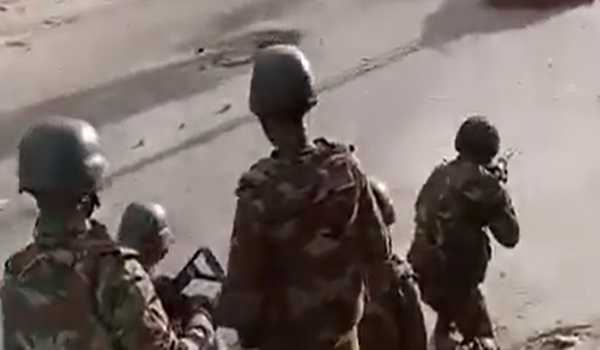
On August 4, Awami League leaders were spotted attacking demonstrators with firearms and locally sourced weapons in Dhaka and elsewhere. However, they were unable to hold on for long due to the scale of the protests.
On August 4, at least 111 deaths were recorded across the country, with 27 of them being Awami League members. Protesters in Narsingdi’s Madhabdi were shot during an Awami League rally. The demonstrators pursued the Awami League members and lynched six of them, including Chardighaldi Union Parishad Chairman Delowar Hossain.
As Sheikh Hasina left Bangladesh on the afternoon of August 5, numerous Awami League leaders and activists were attacked, and their homes were set on fire. The violence resumed the next day, resulting in numerous deaths.
On August 5, there were 108 recorded deaths. Of them, 49 were Awami League members. On August 6, 107 people were slain, including 11 from the party.
Former Awami League lawmaker and former planning minister MA Mannan told Prothom Alo over the phone, “The murders of students, political leaders, activists, and ordinary people hurt me deeply as a citizen. Political parties should strike an agreement to avoid violence for the sake of the future of politics.”