


Key Takeaways
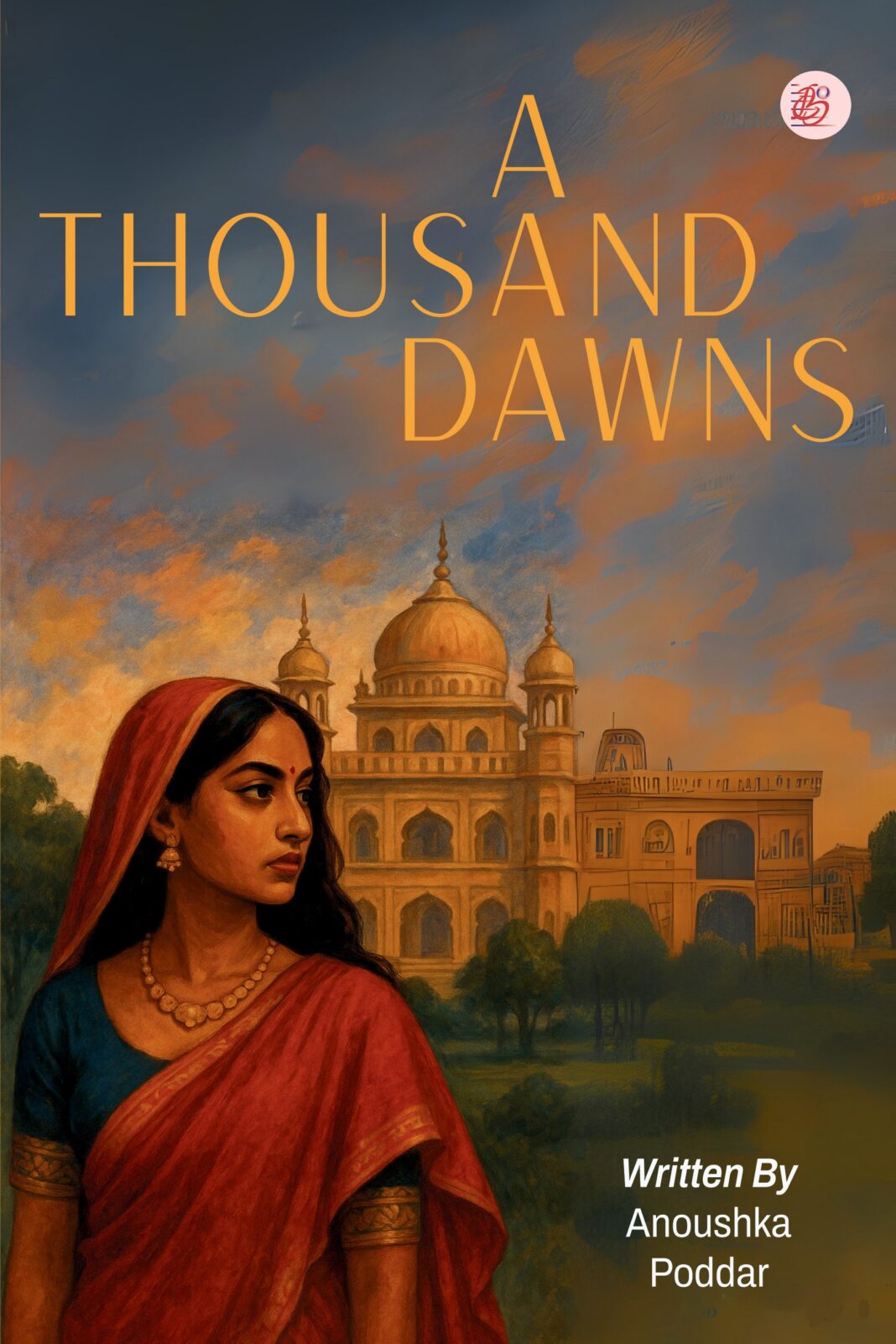
- A Thousand Dawns is a powerful novel by Anoushka Poddar that explores women’s empowerment and identity through a feminist retelling of a traditional Bengali folktale.
- ‘A Thousand Dawns’ preserves the heart of the original folktale while adding emotional depth and nuance to the female characters.
- Anoushka Poddar is a 17-year-old author from India with a passion for storytelling, culture, and social issues.
When Aarin enters the palace as a new bride she thinks she has found both power and sisterhood. But jealousy brews between her and Hemaprabha, the king’s first queen turning friendship into betrayal.
Caught in the middle is Dalim, a son born of an act of cunning piety torn between two mothers and destined to pay the price of their war. Yet even when tragedy strikes, he is not silenced.
Beyond death and betrayal, new bonds are forged, grievances are laid to rest, and a reckoning awaits – hidden within the palace walls. In this feminist retelling of a Bengali Folktale, women who were once pushed to the margins claim the story for themselves. Lyrical, bold, and unforgettable, this is a tale of desire, envy, and the power of women rewriting their fate.
‘A Thousand Dawns’ by Anoushka Poddar is a powerful and thought-provoking contemporary novel that reimagines a traditional Bengali folktale through a feminist lens. Giving women stronger voices, deeper emotional depth, and greater agency, the book revisits familiar narratives while questioning whose stories have traditionally been centred — and whose have remained unheard.
Rooted in the rich tradition of regional Bengali folklore, ‘A Thousand Dawns’ brings lesser-known cultural stories into contemporary conversation, preserving their essence while presenting them in a fresh and deeply relevant way for modern readers. Inspired by the author’s own experience of growing up with male-dominated folktales and narratives, the novel reflects a personal and introspective exploration of identity, representation, and storytelling.
Blending evocative prose with emotional nuance, the book explores themes of memory, belonging, love, loss, and personal transformation through richly layered characters and immersive storytelling. At the same time, it encourages young readers to engage more thoughtfully with culture and tradition, opening meaningful conversations around gender, identity, and the evolving nature of storytelling.
With ‘A Thousand Dawns’, Anoushka Poddar emerges as a fresh and compelling new voice in Indian writing in English, offering readers a deeply resonant literary experience that is both culturally rooted and strikingly contemporary.
Anoushka Poddar is a 17-year-old author from India with a passion for storytelling, culture, and social issues. A four-time published author, she enjoys exploring themes of identity, heritage, and representation through her writing. Beyond literature, she is also interested in creating short films and documentaries, with creative interests spanning art, cultural preservation, and social awareness.
To know more about her latest release, Sonakshi Datta of GoaChronicle posed a few questions to the young author, Anoushka.
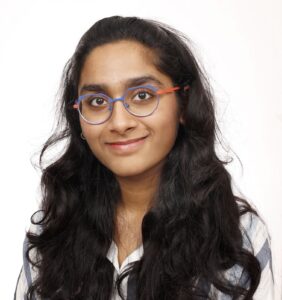
‘A Thousand Dawns’ Author Anoushka Poddar
What made you choose the particular cultural story that you have presented in your latest release?
One thing I noticed in the Bengali folktale I adapted, ‘Life’s Secret’, was that there were several female characters — like Duo and Suo Queen and Dalim’s wife — yet none of them were truly explored or even properly named. They mostly existed to fight each other or move the plot forward.
At the same time, I loved the blend of court intrigue, emotion, and sensitivity in the original tale. I wanted to keep that essence while giving the women more depth, individuality, and emotional complexity.

What essential themes does your new novel explore?
The novel mainly explores family, sisterhood, womanhood, and identity. Since it is a feminist retelling of a traditional Bengali folktale, I wanted to focus on how women navigate societal expectations while still finding strength in one another.
A lot of the emotional core of the story comes from the relationships between women — their loyalty, sacrifices, and resilience. At its heart, it’s about love, survival, and reclaiming space in stories where women were often sidelined.
How would the story presented in your novel prove to be the perfect amalgamation of culture, tradition, and modernity?
I tried to preserve the heart of the original folktale — the major events, relationships, and motivations are still rooted in the traditional story. What I changed was the way the characters are explored. I added more emotional depth and nuance, especially to the women, so they feel more human and relatable rather than symbolic figures.
So, while the story still feels culturally rooted and faithful to the folktale, it also speaks to modern conversations about identity, agency, and gender.
The title of your novel is rather an interesting one- ‘A Thousand Dawns’, what led to you choosing the same?
The title comes from the protagonist, Aarin, who lives through more than a thousand dawns without her son. But beyond that, I think it also symbolizes hope and change.
Much like dawn inevitably arrives after darkness, women will continue supporting each other, and good, well-rounded representation will also occur, no matter how much time it takes. The title felt emotional, symbolic, and deeply connected to the themes of the novel while also resounding with the main aim I had in mind when writing it.
What makes ‘A Thousand Dawns’ a must-read for all?
Growing up, I always admired the male heroes in the stories my grandfather told me —characters like Rama or Krishna — while feeling that women were expected to behave a certain way and accept certain things happening to them, like Sita or Draupadi to be accepted by society.
Writing this book was partly my way of questioning that. I think ‘A Thousand Dawns’ is a must-read because it allows readers to engage with traditional stories from a fresh perspective without losing their cultural essence. It creates a middle ground where you can stay connected to your roots while also rethinking the roles women are expected to play.