

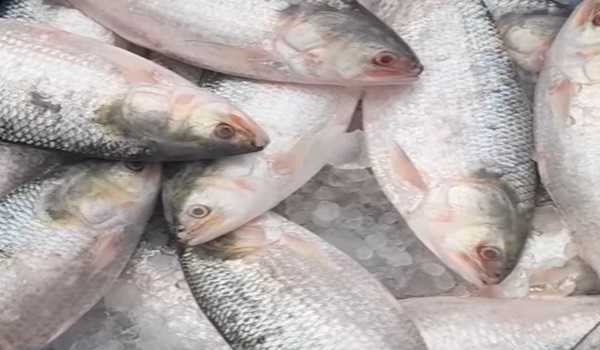

Dhaka: Discontinuing a long-term practice, Bangladesh has decided against exporting the delicious hilsa fish to India on the occasion of Durga Puja next month. a senior commerce ministry official said here.
According to the official, the purpose of the export prohibition is to guarantee a sufficient supply of the silvery delight – a craze among the fish-loving people in both Bangladesh and parts of India – in the local market.
The stance of the six-week old interim government of Bangladesh differs sharply from that of the erstwhile Awami League administration led by Sheikh Hasina, which was overthrown in a student-led uprising last month, according to news outlet The Daily Star.
Bangladesh, the world’s largest producer of hilsa, has almost regularly over the years lifted the export ban on the fish during the puja season as a “goodwll gesture” to its neighbour.
Hilsa consignments from Dhaka are treated as gifts to Indian people from Bangladesh during the biggest religious fest for the Hindus in eastern India.

“We have around 50 applications pending for exporting the fish to India,” said the official on condition of anonymity. “But we have not received any export permission from the Ministry of Fisheries. According to policy, the commerce ministry, in consultation with the relevant ministry, approves the export of any commodities.”
The official stated that the fisheries and livestock ministry had prohibited exports of hilsa this year.
According to a Fisheries department report, in fiscal 2023–24, Bangladesh exported 664.86 tonnes of hilsa to India for $7.71 million. In fiscal 2022-23, 1,376.42 tonnes of hilsa worth $13.68 million were exported by Bangladesh.
Fisheries data indicates that 566,593 tonnes of hilsa were produced in the fiscal year 2021–2022.
In August and September, when the fish enter rivers from the Bay of Bengal to lay eggs, hilsa is netted from the waterways. Up to 600,000 tonnes of fish are harvested by fishermen each year, with the sea providing the majority of the catch, the leading Bangladesh news outlet reported.