


Key Takeaways
- The HSBC India Manufacturing PMI rose to 57.5 in October, indicating a substantial improvement in operating conditions.
- The expansion in India’s manufacturing sector is driven by strong demand for Indian goods, fueled by faster increases in total new orders and international sales.
- The Indian economy is experiencing a significant growth rate, driven by the expansion in the manufacturing sector.
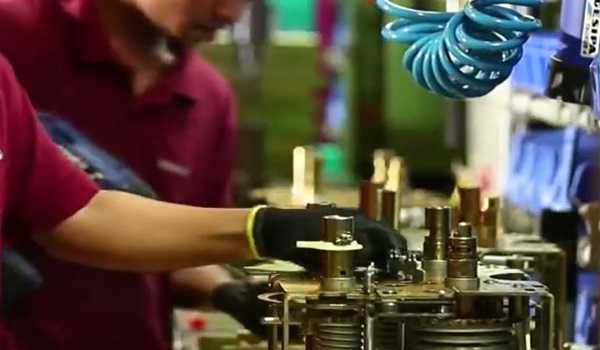
New Delhi: On the back of new orders, India’s factory activities accelerated in the month of October this year with manufacturing purchasing managers’ index (PMI) compiled by S&P Global rising to 57.5 from 56.5 in the previous month.
A PMI print below 50 means contraction while above it shows expansion in activities.
According to the HSBC PMI data released on Monday, India’s manufacturing sector started the third fiscal quarter with an improvement in performance.
The survey said that output growth accelerated in October this year, fuelled by faster increases in total new orders and international sales.

“The seasonally adjusted HSBC India Manufacturing Purchasing Managers’ Index (PMI) rose from September’s eight-month low of 56.5 to 57.5 in October, indicating a substantial and accelerated improvement in operating conditions,” it said.
The private survey said that the upturn in performance was boosted by stronger demand for Indian goods.
“India’s headline manufacturing PMI picked up substantially in October as the economy’s operating conditions continue to broadly improve. Rapidly expanding new orders and international sales reflect strong demand growth for India’s manufacturing sector. Meanwhile, input and output prices are both increasing as a result of persistent inflationary pressures in materials, labour, and transportation costs,” said Pranjul Bhandari, Chief India Economist at HSBC.
The HSBC India Manufacturing PMI is compiled by S&P Global from responses to questionnaires sent to purchasing managers in a panel of around 400 manufacturers. It is one of the closely-watched high-frequency data by economists, markets and policy-makers.