


Key Takeaways
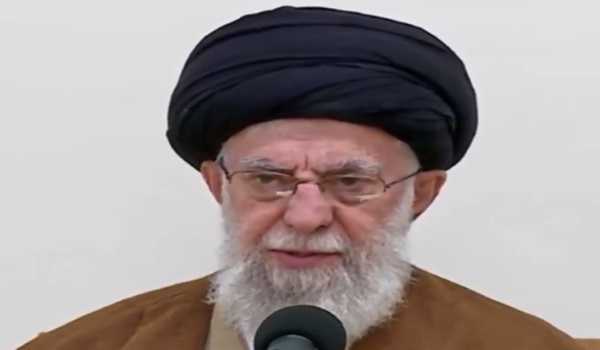
- Iran’s Supreme Leader Ali Khamenei vows a tough response to the organisers of the Kerman attack.
- The Kerman attack killed nearly 100 people and injured 211 others.
- The Iranian government declared a day of national mourning for the victims and vowed to bring the perpetrators to justice.
Tehran: Iran’s Supreme Leader Ali Khamenei vowed a tough response and punishment to both the perpetrators and organisers of the terrorist attack in the city of Kerman, which killed nearly 100 people on Wednesday.
A total of 95 people were killed and 211 others were wounded on Wednesday by two explosions at Iranian General Qasem Soleimani’s memorial site in Kerman, during a ceremony marking the fourth anniversary of his assassination by US forces.
“Both the hands stained with the blood of innocent people and the corrupt, evil minds that led them to this miscalculation will definitely be the target of a severe pounding and a deserving retribution. They should know that, God willing, this tragedy will be met with a strong response,” Khamenei said in a statement posted on his website.

The Iranian government declared Thursday a day of national mourning for the victims, and the country’s President Ebrahim Raisi said the masterminds and perpetrators of the terrorist attack would be identified by security forces and law enforcement agencies and brought to account.
Soleimani, who commanded the Islamic Revolutionary Guard Corps’ Quds Force, was killed by a US drone strike in Baghdad on January 3, 2020. Washington claimed he had been involved in organising the attack on the US embassy in Baghdad on December 31, 2019. In response, Iran launched strikes on US bases in Iraq, including the al-Asad Airbase.
The New York Times reported Wednesday citing two sources familiar with Iran’s internal discussions that Ayatollah Khamenei had instructed Iranian military commanders to pursue “strategic patience” and avoid a direct military confrontation with the United States. The sources said he had ordered the military to “limit retaliation” to covert operations against Israel or proxy militia attacks on US bases in Syria and Iraq.