


Key Takeaways
- The Japanese government has allocated $33 million for earthquake relief efforts.
- Over 23,900 households were left without power after the earthquake.
- The Japan Self-Defense Forces have deployed 5,900 rescue workers to assist with disaster relief efforts.
Tokyo: The Japanese government on Tuesday approved the release of 4.738 billion yen ($33 million) from its reserve fund to help earthquake-affected regions of the country, Japanese news agency Kyodo reported.
The Japanese government can manage its resources promptly without needing parliament’s approval for the allocation of funds from the reserve fund.
For the current 2023 fiscal year, which ends on March 31, 2024, the government has allocated 500 billion yen for natural disaster relief. As of now, about 466.6 billion yen remain unspent in the fund.

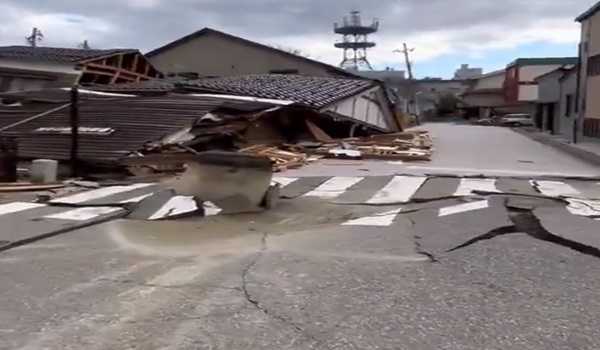
On January 1, a powerful 7.6-magnitude earthquake, followed by a series of aftershocks, struck near the city of Suzu on the Noto Peninsula in Ishikawa Prefecture. The tremors also led to buildings collapsing and left over 23,900 households without power, although no nuclear power plant failures were registered. The quake became the most powerful for the Noto Peninsula region since records began in 1885.
At least 180 people died as a result of the disaster. The earthquake also forced more than 28,800 people in Ishikawa to evacuate to government shelters. Japan’s Self-Defense Forces deployed 5,900 rescue workers to assist with disaster relief efforts.