



Key Takeaways
- The Lok Sabha approved the Delhi ordinance bill, extending central rule‑making powers over Delhi services.
- Amit Shah emphasized that Delhi, as a Union Territory, falls under the Centre’s legislative authority.
- The bill aims to streamline administration by allowing the Centre to set rules for officers and employees of the Government of National Capital Territory of Delhi.
On Thursday, August 3, the Lok Sabha passed the Government of National Capital Territory of Delhi (Amendment) Bill, 2023, replacing the services ordinance by voice vote.
A nearly four‑hour debate followed, after which the bill was approved. Amit Shah, Union Home Minister, responded to the outcome.
The legislation grants the Centre authority to make rules for the Government of National Capital Territory of Delhi, covering functions, terms, and conditions of services for officers and employees.

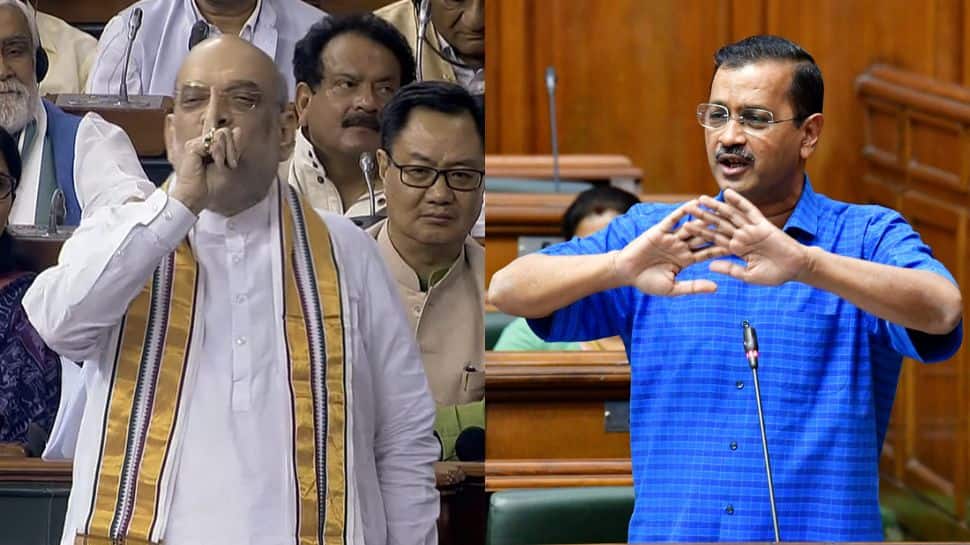
Initiating the debate on the Delhi Ordinance Bill, Amit Shah said that the central government has the power to make laws on Union territories, and as Delhi is a Union Territory as well, the Centre enjoys full rights to make rules for it also.
Shah further expressed, ‘Services have always been with the Central Government. Supreme Court gave an interpretation. From 1993 to 2015, no Chief Minister fought. There were no fights because whichever government was formed, their aim was to serve the people. There is no need to fight, if there is a need to serve. But if they want power they will fight.’
Censuring the Delhi AAP government, Shah stated, ‘The BJP and the Congress had ruled the national capital without any confrontation, but problems arose only in 2015 when a government came that had no intention to serve but only to fight with the Centre.’ After the bill was passed in the Lok Sabha, Amit Shah took to X or Twitter, and expressed, ‘Today, India is witnessing the dual face of opposition. For them, the bills for public welfare are not important. To ensure a small party does not leave their alliance, they have joined forces.’