


Key Takeaways
- A 24-hour nationwide general strike begins at midnight, potentially causing disruptions across sectors.
- The strike is being organised in protest against the Centre’s labour policies, particularly the implementation of the four new labour codes.
- Trade unions are demanding stronger social security measures, protection of labour rights, and policy changes to safeguard workers’ interests.
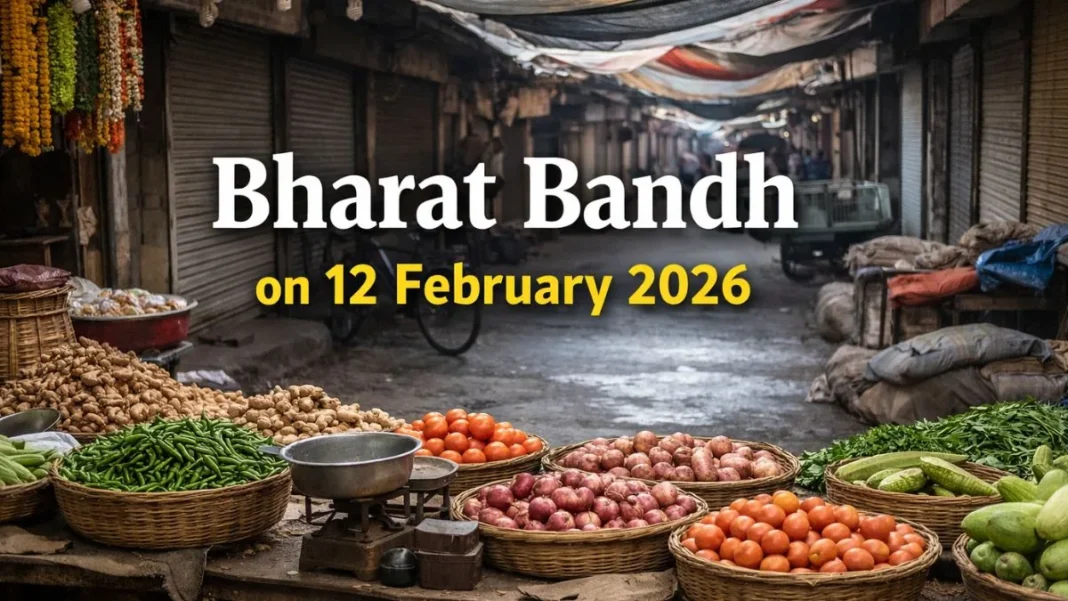
Thiruvananthapuram: A 24-hour nationwide general strike called by major central trade unions will begin at midnight on February 12, potentially causing widespread disruptions across multiple sectors.
Essential services such as hospitals, medical stores, ambulance services, fire and rescue operations, milk supply, and newspaper distribution have been exempted to avoid public hardship. Vehicles carrying Sabarimala pilgrims and participants of the Maramon Convention in Kerala are also exempt from strike restrictions.
The strike is being organised in protest against the Centre’s labour policies, particularly the implementation of the four new labour codes, which trade unions argue weaken worker protections and collective bargaining rights.
Trade union leaders have asserted that crores of workers from both organised and unorganised sectors will participate in the strike. Employees from public sector units, government departments, banking, insurance, transport, industrial establishments and various service sectors are expected to join the protest, making it one of the largest coordinated labour actions in recent years.

Normal life is likely to be affected in many states. Government offices, educational institutions, banks, and public transport services may witness partial or complete disruption depending on the level of participation in each region.
Industrial production and commercial activities are also expected to slow down, with trade unions calling upon workers to abstain from duty for the day.
The unions have stated that the protest aims to press for stronger social security measures, protection of labour rights and policy changes they believe are necessary to safeguard workers’ interests. They have indicated that further action may follow if their demands are not addressed by the government.
Authorities have stepped up security arrangements to prevent untoward incidents and ensure that essential services continue smoothly during the strike period.