
Key Takeaways
- The Indian textile sector is facing competitive pressures from countries like Bangladesh and Vietnam, which enjoy preferential market access in key export destinations.
- Rahul Gandhi criticizes the union government’s trade stance on textiles, saying India will be at a competitive disadvantage compared to Bangladesh due to higher tariff barriers.
- The textile tariffs will make it difficult for the Indian textile sector to compete with Bangladesh, which has a competitive advantage due to its duty-free or concessional access to several developed markets.
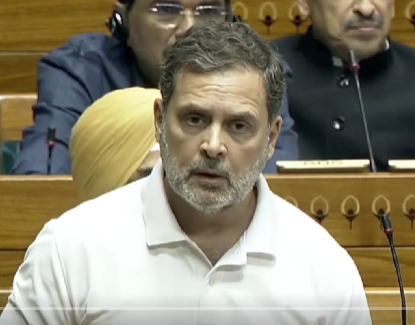
New Delhi: Congress leader Rahul Gandhi on Friday criticised the union government’s trade stance on textiles, alleging that India would be at a competitive disadvantage compared to Bangladesh due to higher tariff barriers.
In a message posted on his WhatsApp channel, Gandhi wrote, “India will have to run the textile race shackled with 18% tariffs, while Bangladesh will be running freely in an open field with 0% tariffs.” He further accused Prime Minister Narendra Modi of yielding to conditions set by US President Donald Trump, saying, “The Prime Minister’s announcement of surrender before Trump’s conditions is a death warrant for Indian textiles.”
Questioning the government’s strategy, Gandhi added, “Aren’t we already falling behind before the race has even begun?” India’s textile and apparel sector is one of the country’s largest employment generators, contributing significantly to exports and providing jobs to millions, particularly in small and medium enterprises. The Indian textile sector is facing competitive pressures from countries like Bangladesh and Vietnam, which enjoy preferential market access in key export destinations.

Bangladesh, for instance, enjoys duty-free or concessional access to several developed markets under various trade arrangements, giving its garment exporters a pricing advantage. Indian exporters have long sought similar trade concessions to remain competitive globally. The government has maintained that its trade negotiations are aimed at protecting national interests while expanding market access for Indian goods.
Officials have previously stated that any agreements would balance domestic industry concerns with broader strategic and economic objectives. Gandhi’s remarks are the latest in a series of criticisms by the Congress party targeting the government’s trade and economic policies.