
Key Takeaways
- The White House meeting between Trump and Netanyahu focused on the Gaza hostage crisis and US tariffs.
- The two leaders emphasized the importance of reducing violence in the region and securing the hostages’ freedom.
- The US and Israel have a complex relationship, balancing security concerns with economic interests.
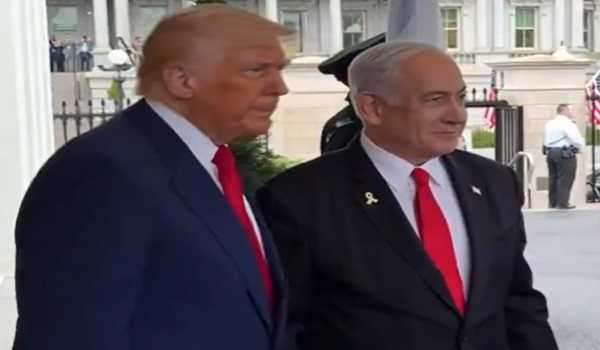
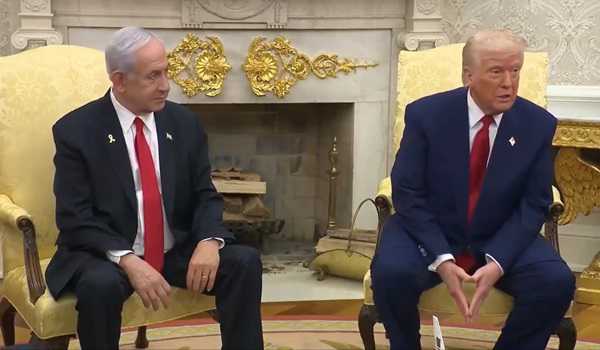
Washington: US President Donald Trump and Israeli Prime Minister Benjamin Netanyahu met at the White House on Monday, focusing on the Gaza hostage crisis and US tariffs on Israeli goods.
In a brief Oval Office session open to reporters, Trump called the release of hostages held in Gaza a “top priority.” He expressed optimism about ongoing negotiations but provided no specific details.
“We’re making progress,” Trump said. “I believe we’ll see all the hostages home soon.”
Netanyahu agreed, emphasizing Israel’s commitment to securing the hostages’ freedom.
They also addressed the shaky ceasefire between Israel and Hamas. While they announced no new agreements, both stressed the importance of reducing violence in the region.
Trump defended his recent 17 percent tariff on imports from Israel, part of his broader trade policy affecting many economies.

Netanyahu reportedly sought relief from these tariffs, highlighting Israel’s efforts to strengthen trade ties with the United States.
In 2024, the total goods trade between the two countries was an estimated at 37.0 billion US dollars, with US exports to Israel at 14.8 billion dollars and imports from Israel at 22.2 billion dollars, resulting in a 7.4 billion dollars US trade deficit.
Netanyahu’s visit to the White House was arranged in a phone call last Thursday between the two leaders when Netanyahu raised the tariff issue, according to Israeli officials.
The White House had initially planned a joint press conference but canceled it without explanation. Instead, reporters asked questions during their brief access to the Oval Office meeting.
Trump did not discuss any long-term plans for Gaza’s redevelopment during this meeting. His administration has previously proposed controversial ideas for the region, which have faced criticism from various groups.
The meeting highlighted the complex relationship between the United States and Israel, balancing security concerns with economic interests. Both leaders pledged to continue working closely on these issues.