
Key Takeaways
- The Zeba Sajid costume team crafted every garment from raw fabric to ensure authenticity.
- Research included studying blind‑person experiences, leading to asymmetrical cuts and mixed‑colour slippers.
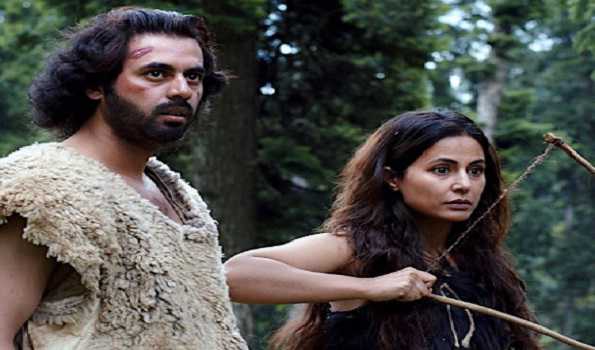
- Filming in Kashmir added natural texture, with characters wearing simple, forest‑inspired attire.
New Delhi: The storyline, costumes, and cinematic evolution of Rahhat Shah Kazmi’s adaptation of the short story “Country of Blind” by H.G. Wells are enthralling viewers.
The distinctive costumes in this film, which was filmed in Kashmir, were created by ‘The Queen of Costume,’ a well-known TV and cinema costume designer named Zeba Sajid.
Zeba Sajid is no stranger to the industry, having previously astounded audiences with her remarkable work in ‘Lihaaf’ (2019).
Zeba’s clothes were the buzz of the town, whether it was the Zardozi work for Begum Jaan (played by Sonal Sehgal) or the brocade fabric creations for Nawab Sahib (Mir Sarwar).
She is now ready to win the public’s hearts once more with “Country of Blind” (COB).
She conducted extensive research about the people of that era and watched numerous movies based on blind people to understand the essence of their daily lives and the struggles they faced while performing basic chores.
Zeba explains that the outfits she designed for each character were neither tailor-made nor machine-made.

Everything was made from scratch, beginning with the arrangement of raw materials, chemical washing, and the addition of a thick layer of cotton lining to prevent skin rashes and allergies.She goes on to say that she asked her team to cut the clothing asymmetrically, with their eyes closed, to generate a realistic look, with the perspective of a blind person conducting the cutting in mind.
The film demonstrates this attention to detail, since none of the characters wear properly cut dresses, and the colours fluctuate.
Gosha, played by Hina Khan, even wears slippers of two different colours to give a genuine image.
Director Rahhat Shah Kazmi, according to Zeba Sajid, played a critical part in giving the characters an authentic look and feel through their unique wardrobe.
She describes how they envisioned the characters as humans living in forests with sight impairments during their pre-production discussions.
These characters would either dress simply or, if necessary, use whatever was available in their surroundings, such as grasses for slippers derived from the resources they gathered for nourishment.
Zeba Sajid’s crew, which included young interns from all throughout the country, went to great lengths to ensure the outfits conveyed a natural look and essence.