



Key Takeaways
- The Supreme Court’s suspension of Father Edwin Pigarez’s sentence has sparked outrage among child rights activists and victims of sexual abuse.
- The POCSO Act aims to protect children from sexual abuse and exploitation, but its implementation remains a challenge in India.
- The justice system in India needs to be reformed to ensure that victims of sexual abuse receive justice and that perpetrators are held accountable.
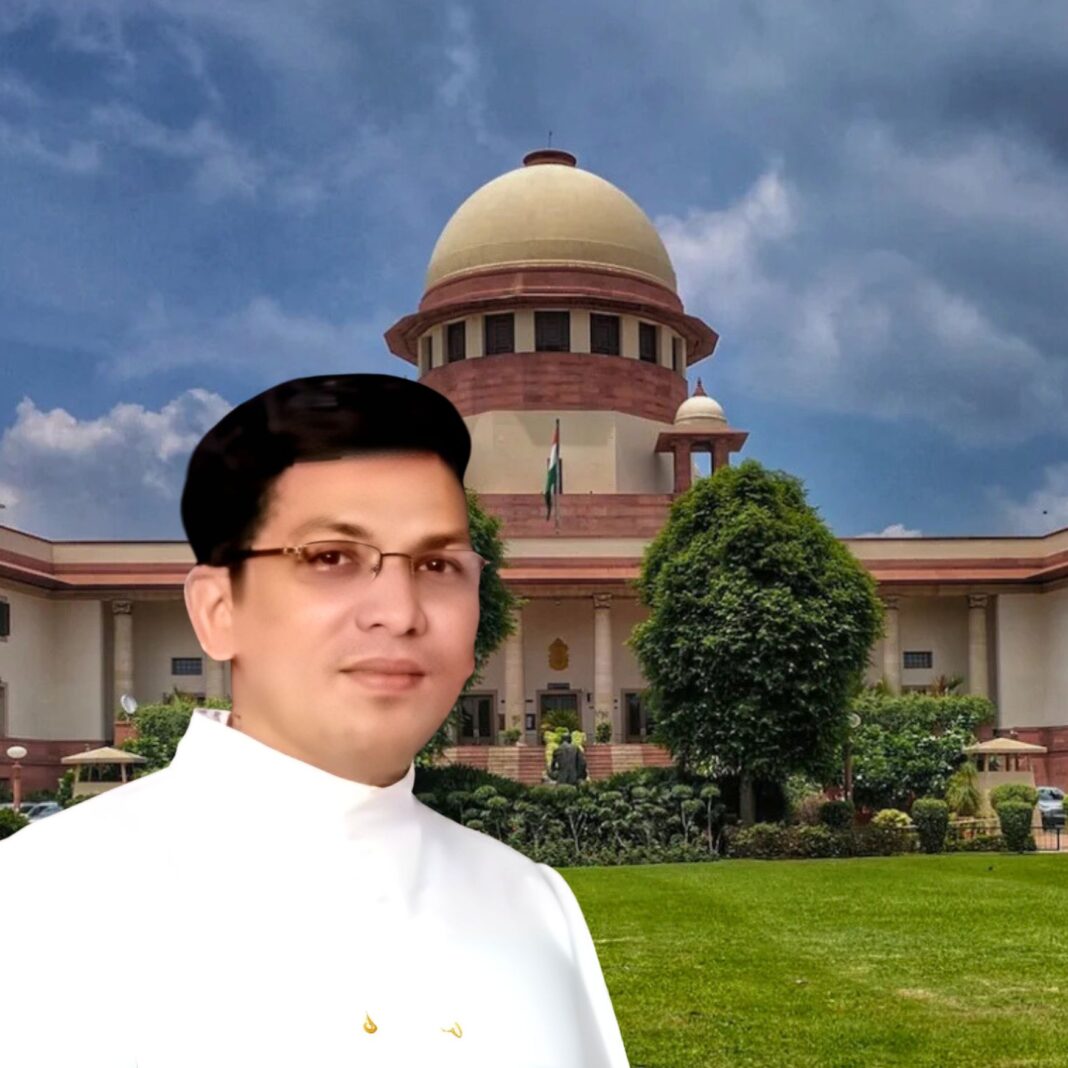
The soul of a nation is reflected in how it treats its most vulnerable. In India, we claim to be a society where children are to be worshipped, protected, and nurtured. We pass laws with the highest of intentions—the Protection of Children from Sexual Offences (POCSO) Act, amendments to the Indian Penal Code, and fast-track courts for child abuse cases. Yet, when the highest court of the land, led by the Chief Justice of India B.R. Gavai, suspends the 20-year sentence of Father Edwin Pigarez—a man convicted of repeatedly raping a minor girl—it sends a chilling message: in India, even the most heinous crimes can find relief when they reach the echelons of judicial discretion.
The Supreme Court’s decision has sent shockwaves through the nation, sparking outrage and raising questions about the justice system in India. The suspension of Father Edwin Pigarez’s sentence has been met with widespread criticism, with many calling it a moral earthquake.
Father Edwin Pigarez, entrusted with the sacred duty of spiritual guidance, turned predator. A man who wore the cloak of faith exploited a young girl repeatedly, violating not only her body but her very sense of safety and trust in adults. The trial court, after carefully weighing the evidence, found him guilty and sentenced him to 20 years in prison – a punishment that, if anything, felt inadequate when weighed against the lifelong scars left on the victim.
Yet, despite the gravity of the crime and the clarity of the conviction, the Supreme Court chose to suspend his sentence. This suspension doesn’t overturn his conviction, but it allows him to walk free while his appeal is pending. To the victim and her family, it is as if justice itself has been put on hold—justice delayed is justice denied, but worse, justice suspended is justice mocked.
Statistics tell a horrifying story. According to the National Crime Records Bureau (NCRB), over 1.6 lakh cases under POCSO were registered between 2017 and 2021. In 2021 alone, 53,874 cases of child sexual abuse were reported—averaging 147 every single day. And these are only the reported cases; countless more remain hidden under the burden of stigma, fear, and silence.
Conviction rates remain abysmally low. In 2021, the conviction rate for POCSO cases stood at around 43%. This means that more than half the accused walk away free, often due to delays, hostile witnesses, or technical loopholes. When the Supreme Court suspends the sentence of a convicted offender in such a grave case, it risks further lowering the morale of victims, discouraging families from reporting, and emboldening perpetrators who already believe they can escape accountability.
The betrayal in this case is twofold. First, the betrayal of a priest—a figure who wields not just community authority but also spiritual trust. When such a figure turns abuser, the crime transcends physical violation; it becomes a desecration of faith itself.
Second, the betrayal of justice. The judiciary is meant to be the last bastion of hope for the powerless. When a trial court convicts, when evidence is found sufficient, when a sentence is handed down in accordance with the law, the expectation is that higher courts will protect that verdict unless there is overwhelming reason to question its integrity. By suspending the sentence, the Supreme Court risks creating an impression that influential figures—or those backed by powerful institutions—receive special treatment.
India’s justice system, for all its claims of equality, too often bends under the weight of social power, institutional influence, and elite advocacy. This is what makes the Pigarez suspension so dangerous. It feeds into the perception that there are two Indias within the same courtroom—one where the powerless rot in jail, and another where the powerful manipulate the process to their advantage.
What message do we send to the survivor of this case? That her courage in speaking up, her endurance through the trial, her fight against stigma, was all for nothing? That a man who violated her repeatedly can walk free while “legal arguments” are debated?
Child victims already face unbearable trauma. The stigma of sexual abuse, especially in conservative communities, is crushing. Families are ostracized, children carry lifelong emotional scars, and many victims never find closure. When the judiciary adds to that pain by allowing the convicted to return to society, it compounds the injustice.

Our Constitution rightly grants the judiciary independence, but independence cannot mean immunity from scrutiny. If Parliament and the Executive can be questioned, why should judicial decisions not be held up to the same standard of public accountability?
The suspension of Father Pigarez’s sentence raises fundamental questions: What criteria did the Supreme Court apply? Was the victim’s trauma considered? Was the larger societal impact weighed? Why does the judiciary consistently appear lenient in cases involving influential men, while appearing ruthless in cases involving the poor and powerless?
Accountability does not undermine judicial independence—it strengthens it. Transparency is not a threat to justice; it is its lifeblood.
We are at a dangerous juncture. India cannot afford to normalize the violation of its children through legal complacency. Each such case erodes the deterrent value of law. Each suspended sentence tells abusers: “The system may still give you a way out.”
Instead, our courts should be setting examples, reinforcing that crimes against children will be met with zero tolerance. The Supreme Court should be leading the fight to protect children, not inadvertently weakening it.
The suspension of Father Edwin Pigarez’s sentence is not merely a legal decision—it is a moral failure. It reflects a dangerous leniency towards crimes that should be treated with utmost severity. It shakes public faith in the judiciary, discourages victims, and emboldens perpetrators.
Chief Justice B.R. Gavai and his Bench must introspect on whether justice was served or subverted. More importantly, society must ask: what kind of India are we building if the guardians of justice themselves falter when it comes to protecting our children?
The outrage this decision has sparked is justified. It is not born of emotion alone, but of a deep, rational fear—that the walls of justice, already weak, may crumble completely if such precedents become the norm.
India must decide: are we a nation that protects its children, or are we a nation that protects its predators?
At this moment, tragically, the scales appear tilted towards the latter.