
Key Takeaways
- The BJP MP Lahar Singh Siroya wrote to MK Stalin urging a meeting with Karnataka’s chief minister.
- He highlighted the Cauvery water shortage affecting 70% of Karnataka’s taluks.
- The proposal stresses viewing the dispute as a humanitarian crisis rather than a political issue.
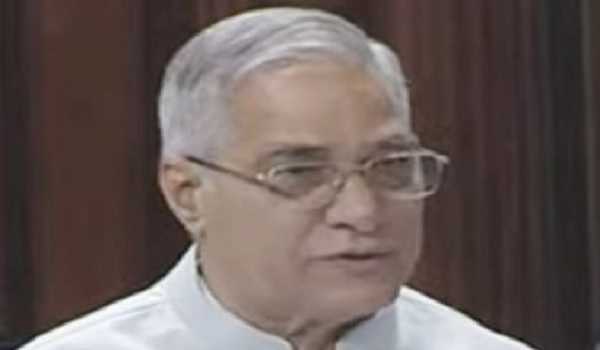
Bengaluru: BJP MP Lahar Singh Siroya has shot off a letter to Tamil Nadu Chief Minister MK Stalin, asking him to meet Karnataka Chief Minister Siddaramaiah and find a solution to Cauvery water dispute, instead of seeking help from the central government or the courts.
“The best solution for this distress situation is for both states to be like brothers to understand each other’s needs and crisis and share whatever limited water is available equitably.
“This can happen only if the Chief Ministers of Tamil Nadu and Karnataka meet and discuss the situation. More can be achieved by this meeting than by seeking the help of the Central government or the courts,” Siroya said in the letter.
The BJP MP urged Stalin to break the old cycle of seeing the sharing of Cauvery River water as a regional conflict and a major dispute. This conflicting approach has been prevalent for decades, and it is best to view it as a humanitarian crisis addressed by both state governments.

“This conflicting approach has been prevalent for decades. Instead, it is best to view it as a humanitarian crisis to be addressed maturely by two state governments. There should be no scope for politics and rhetoric in this matter,” he said.
Siroya also asked Tamil Nadu to realise that Karnataka is not holding back water deliberately, but should understand its reservoirs are empty and there is drought in nearly 70 percent of the taluks in the state. Also, there is a drinking water crisis emerging, he said.
The BJP MP urged Tamil Nadu to realise that Karnataka’s water needs include the water needs of lakhs of Tamil speakers who work and live in Karnataka.
“We live in a migrant society. Inter-state migration when people leave their home states for employment reasons is a trend that has picked up in the last couple of decades. Therefore, when we speak of water rights, we have to be more considerate keeping these migratory trends and realities in mind,” he said.