


Key Takeaways
- Hun Manet was confirmed by the National Assembly as Cambodia’s new prime minister for a five‑year term.
- The new administration pledges to accelerate socioeconomic development and implement broad governance reforms.
- Key priorities include investment in the green economy, infrastructure, education, and health services.
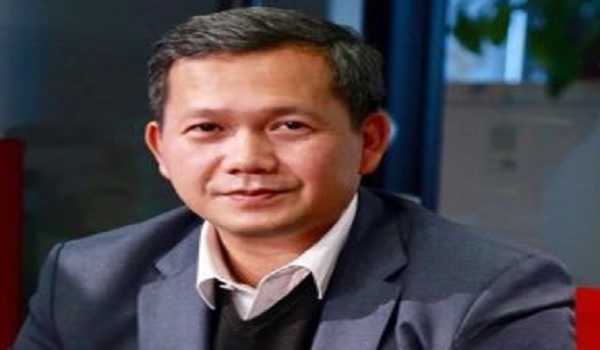
Phnom Penh: Cambodia’s National Assembly on Tuesday confirmed Hun Manet as the new prime minister for a five-year term after his ruling Cambodian People’s Party (CPP) won a landslide victory in the July 23 general election, according to the state-run TVK.
Some 123 lawmakers in attendance unanimously voted for him as the new prime minister.
The National Assembly also approved Hun Manet’s new cabinet members for the 2023-2028 term.
Hun Manet, 45, succeeded his 71-year-old father Samdech Techo Hun Sen, who stepped down after having held the position for more than 38 years.
According to an official schedule, Hun Manet and his cabinet members will be sworn in on Tuesday afternoon at the Royal Palace under the auspices of the nation’s King Norodom Sihamoni.

Addressing the parliament after the vote, Hun Manet said it was a historic day for Cambodia, expressing his profound gratitude to all lawmakers for giving a vote of confidence to him and his cabinet members.
He vowed to safeguard the country’s independence, sovereignty, territorial integrity, peace, stability, security and safety, as well as to further develop the economy.
“The new government is committed to working harder to accelerate socioeconomic development and to promote the implementation of deeper and broader reforms,” Hun Manet said.
“The government will give priority to governance reform so as to strengthen state institutions, build clean administrations, enhance the rule of law and social justice, and increase the quality of public services,” he added.
He said the government will also prioritize investment in technological development, green economy, physical infrastructure, social protection, and human resources, especially in education and health.