


Key Takeaways
- The concussion substitution rule in cricket allows a team to replace a player who has been injured with a concussion substitute.
- The replacement must be a like-for-like swap, but the debate over the rule has raised questions about its fairness and consistency.
- The incident has reignited discussions over the fairness and consistency of the concussion substitute rule in cricket.
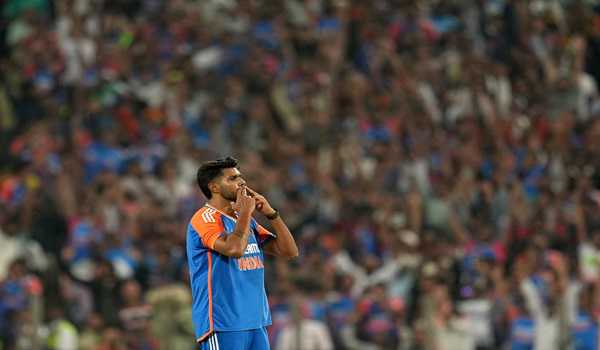
Pune: A fresh debate over the ‘like-for-like’ principle in concussion substitutions erupted after India’s Harshit Rana replaced Shivam Dube in the fourth T20I against England here on Friday.
The decision made by match referee Javagal Srinath has drawn sharp reactions from England’s camp and former cricketers. This has sparked a debate over the concussion substitution rule in cricket.
Dube, who was struck on the helmet during the final over of India’s innings, showed signs of a delayed concussion and was ruled out of the second innings. Rana, making his T20I debut as a concussion substitute, proved to be a game-changer, claiming three wickets and playing a pivotal role in India’s 15-run victory.
England captain Jos Buttler expressed his dissatisfaction with the substitution, arguing that Rana was not a “like-for-like” replacement for Dube. “It does not seem fair when an allrounder is replaced by a specialist bowler,” Buttler said in the post-match press conference, questioning the application of the rule.

Several former England cricketers, including Kevin Pietersen, Alastair Cook, and Michael Vaughan, have also criticised the decision. Cook remarked that replacing an allrounder with a specialist bowler “makes no sense.” Vaughan questioned how a full-time bowler could replace a part-time one, adding to the controversy.
Dube has bowled in 23 of his 34 T20I matches, but he has completed his full quota of four overs only twice in his career, leading to further scrutiny over whether he qualifies as a genuine allrounder.
The incident has reignited discussions over the fairness and consistency of the concussion substitute rule in cricket. With questions being raised about its application, calls for clearer guidelines to avoid similar controversies in the future have grown louder.
As cricket’s governing bodies review this incident, the debate over concussion replacements and their impact on match outcomes is likely to continue.