

Key Takeaways
- The Iran ceasefire has significant implications for global energy security and the US-Iran conflict.
- The ceasefire has created a shifting balance of power in the Middle East, with Iran’s influence growing and the US security umbrella being questioned.
- Russia is benefiting from the confrontation between the US and Iran, including oil sale sanction relief and high oil prices.
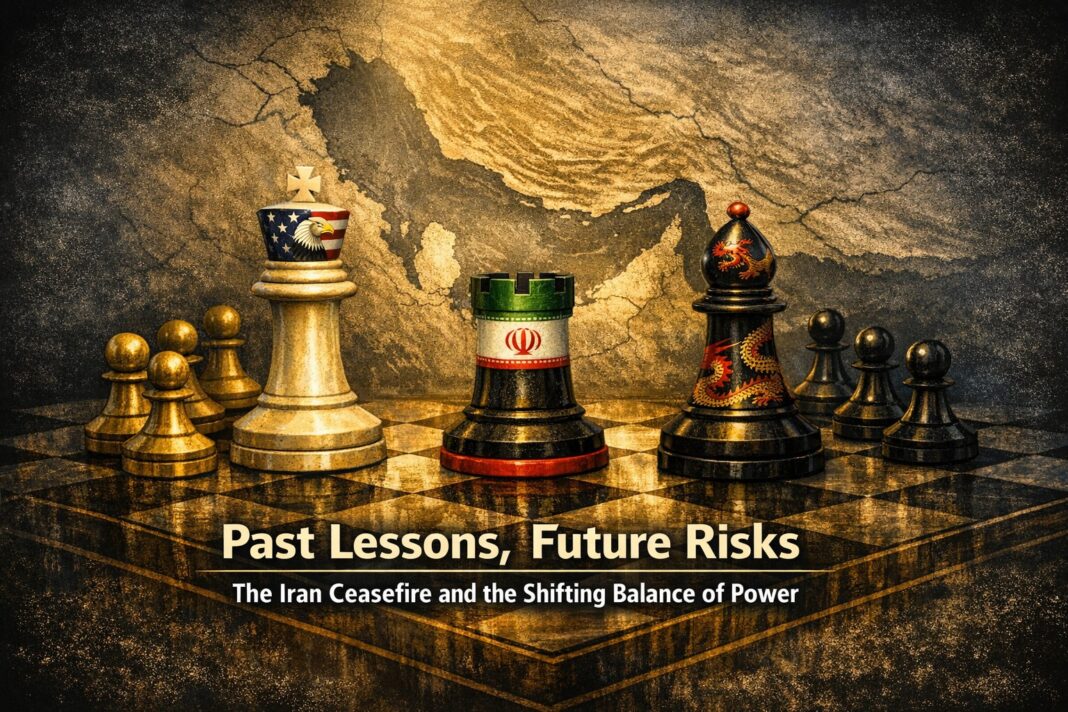
The two week US-Iran ceasefire expires on 22 Apr. It was more of a tactical pause than a diplomatic breakthrough. It arrived just before Washington’s deadline to escalate strikes. It averted a dangerous spiral, but revealed deeper structural tensions that now define the 2026 conflict. The truce temporarily calmed markets (many made money) and halted militia attacks, yet it exposed a shifting balance of power in the Gulf – and beyond.
𝙏𝙝𝙚𝙧𝙚 𝙖𝙧𝙚 𝙬𝙞𝙙𝙚𝙨𝙥𝙧𝙚𝙖𝙙 𝙛𝙚𝙖𝙧𝙨 𝙩𝙝𝙖𝙩 𝙒𝙖𝙨𝙝𝙞𝙣𝙜𝙩𝙤𝙣, 𝙪𝙣𝙙𝙚𝙧 𝙞𝙣𝙩𝙚𝙣𝙨𝙚 𝙙𝙤𝙢𝙚𝙨𝙩𝙞𝙘 𝙥𝙧𝙚𝙨𝙨𝙪𝙧𝙚, 𝙢𝙖𝙮 𝙧𝙪𝙨𝙝 𝙞𝙣𝙩𝙤 𝙖 𝙛𝙧𝙖𝙢𝙚𝙬𝙤𝙧𝙠 𝙙𝙚𝙖𝙡 𝙩𝙝𝙖𝙩 𝙥𝙧𝙞𝙤𝙧𝙞𝙩𝙞𝙨𝙚𝙨 𝙨𝙥𝙚𝙚𝙙 𝙤𝙫𝙚𝙧 𝙨𝙪𝙗𝙨𝙩𝙖𝙣𝙘𝙚.
There are eight major concerns driving the crisis. Firstly, crisis-driven diplomacy can lead to coercive escalation, encouraging Iran to repeat its playbook. Secondly, a hasty agreement may include vague technical clauses that collapse under stress. Thirdly, enforcement mechanisms may be weak or unenforceable. Fourthly, Iran’s factional politics make compliance uncertain. Fifthly, Gulf states and Israel fear Iran’s growing regional influence. Sixthly, Europe worries about a deal lacking nuclear verification depth. Seventhly, a rushed framework may fracture the loose alignment of states opposing Iran’s regional behaviour. And eighthly, a premature settlement may leave the conflict’s root causes untouched.
These anxieties are amplified by a 𝙡𝙤𝙣𝙜 𝙝𝙞𝙨𝙩𝙤𝙧𝙮 𝙤𝙛 𝙐.𝙎. 𝙞𝙣𝙘𝙤𝙣𝙨𝙞𝙨𝙩𝙚𝙣𝙘𝙮.
Allies remember Washington’s withdrawal from the JCPOA in 2018, despite IAEA verification of Iranian compliance. They recall exits from the INF Treaty (2019), the ABM Treaty (2002), the Paris Climate Agreement (2017–2020), UNESCO (1984 and 2017), and the abrupt pullouts from Syria (2019) and Afghanistan (2021). This pattern – across administrations – creates a credibility deficit. Partners now assume that any U.S. commitment may be reversible with the next electoral cycle. In the middle of a war, that matters even more.
𝙄𝙧𝙖𝙣, 𝙢𝙚𝙖𝙣𝙬𝙝𝙞𝙡𝙚, 𝙞𝙨 𝙖𝙩𝙩𝙚𝙢𝙥𝙩𝙞𝙣𝙜 𝙩𝙤 𝙘𝙤𝙣𝙫𝙚𝙧𝙩 𝙗𝙖𝙩𝙩𝙡𝙚𝙛𝙞𝙚𝙡𝙙 𝙧𝙚𝙨𝙞𝙡𝙞𝙚𝙣𝙘𝙚 𝙞𝙣𝙩𝙤 𝙨𝙩𝙧𝙪𝙘𝙩𝙪𝙧𝙖𝙡 𝙡𝙚𝙫𝙚𝙧𝙖𝙜𝙚.
Its 10 point proposal seeks sanctions relief, recognition of its right to enrich uranium, adjustments to U.S. troop posture in the Gulf, and a role in managing the Strait of Hormuz. Tehran frames these demands as the natural outcome of having withstood military strikes. Yet the regime’s confidence masks economic fragility (due to infrastructure damage, electricity grid strain, water shortages, sanctions pressure, inflation) and domestic discontent. The ceasefire gives Iran breathing space – and a platform to push for gains it could not secure militarily.
𝙃𝙤𝙧𝙢𝙪𝙯 𝙗𝙚𝙘𝙖𝙢𝙚 𝙩𝙝𝙚 𝙘𝙚𝙣𝙩𝙧𝙖𝙡 𝙥𝙧𝙚𝙨𝙨𝙪𝙧𝙚 𝙥𝙤𝙞𝙣𝙩 𝙤𝙛 𝙩𝙝𝙚 𝙘𝙧𝙞𝙨𝙞𝙨. Its “open-ness” status is the hinge on which global markets rest. US myopia has turned the chokepoint from a theoretical geopolitical weapon into an actual one. One effectively employed by Iran.

𝙎𝙩𝙖𝙠𝙚𝙝𝙤𝙡𝙙𝙚𝙧𝙨 𝙖𝙧𝙚 𝙝𝙚𝙙𝙜𝙞𝙣𝙜. Israel supports the ceasefire, but keeps the Lebanon front outside it, preserving operational freedom against Hezbollah. Gulf monarchies are relieved by the pause, yet deeply uneasy about the (lack of) effectiveness of the U.S. security umbrella. Russia benefits from this confrontation – oil sale sanction relief and high oil prices. 𝘾𝙝𝙞𝙣𝙖 𝙝𝙖𝙨 𝙖 𝙡𝙤𝙩 𝙖𝙩 𝙨𝙩𝙖𝙠𝙚 – a 25-year Comprehensive Strategic Partnership of 2021, a $400 billion investment commitment (as per Iran) in exchange for a steady, long-term supply of Iranian oil at significant discounts. Its influence (allegedly sharing info/expertise with Iran, including reports that it shared assessments of U.S. regional deployments; nudging Iran toward restraint) – signals a broader shift: crisis management in the Middle East is no longer exclusively an American preserve.
The 𝙡𝙤𝙣𝙜 𝙩𝙚𝙧𝙢 𝙞𝙢𝙥𝙡𝙞𝙘𝙖𝙩𝙞𝙤𝙣𝙨 𝙛𝙤𝙧 𝙜𝙡𝙤𝙗𝙖𝙡 𝙚𝙣𝙚𝙧𝙜𝙮 𝙨𝙚𝙘𝙪𝙧𝙞𝙩𝙮 are profound.
Insurance premiums for Gulf shipping have already surged; a permanent risk premium is now embedded in Gulf oil. A prolonged standoff would likely trigger renewed withdrawals by major insurers Importers will accelerate diversification toward U.S. shale, Brazilian pre salt, West African crude and non Hormuz Middle Eastern routes. Bypass pipelines—across Saudi Arabia, the UAE and potentially Oman—will gain strategic urgency. Countries will build capacity to hold increased strategic reserves of energy. China will deepen its energy diplomacy, using long term contracts, equity stakes and security partnerships to mitigate impact of chokepoint volatility.
𝙏𝙬𝙤 𝙪𝙣𝙙𝙚𝙧 𝙙𝙞𝙨𝙘𝙪𝙨𝙨𝙚𝙙 𝙨𝙝𝙞𝙛𝙩𝙨 deserve emphasis. First, 𝙐.𝙎. 𝙨𝙝𝙖𝙡𝙚’𝙨 𝙜𝙚𝙤𝙥𝙤𝙡𝙞𝙩𝙞𝙘𝙖𝙡 𝙧𝙤𝙡𝙚, as the world’s most flexible swing producer, will grow. It becomes a stabilising asset in a world of recurring supply shocks. Second, 𝙩𝙝𝙚 𝙛𝙪𝙩𝙪𝙧𝙚 𝙤𝙛 𝙘𝙝𝙤𝙠𝙚𝙥𝙤𝙞𝙣𝙩 𝙬𝙖𝙧𝙛𝙖𝙧𝙚: inter alia, Hormuz, Bab el Mandeb and the Strait of Malacca are now theatres for drones, mines, cyber disruption and asymmetric leverage. The 2026 crisis will be studied as the moment when chokepoints moved from theoretical vulnerabilities to active instruments of statecraft.
The Iran war has become another arena where U.S. power is contested not through direct confrontation but through influence, mediation and the ability to stabilise crises. China’s role—subtle but consequential—illustrates how the emerging order is shaped by diplomatic agility as much as military capability.
The above also reinforces themes explored in my earlier articles, 𝙐𝙎–𝘾𝙝𝙞𝙣𝙖 𝙍𝙞𝙫𝙖𝙡𝙧𝙮: 𝘽𝙚𝙮𝙤𝙣𝙙 𝙩𝙝𝙚 𝙏𝙝𝙪𝙘𝙮𝙙𝙞𝙙𝙚𝙨 𝙏𝙧𝙖𝙥 (14 April 2026) and 𝙄𝙣𝙙𝙞𝙖’𝙨 𝙍𝙪𝙨𝙨𝙞𝙖𝙣 𝙊𝙞𝙡 𝙋𝙤𝙡𝙞𝙘𝙮: 𝙎𝙩𝙧𝙖𝙩𝙚𝙜𝙞𝙘 𝙈𝙞𝙨𝙨𝙩𝙚𝙥 𝙤𝙧 𝙎𝙖𝙣𝙘𝙩𝙞𝙤𝙣𝙨 𝙎𝙪𝙧𝙫𝙞𝙫𝙖𝙡? (18 March 2026).
The 8 April truce did not end the war. It illuminated the strategic landscape in which the next phase will unfold: a world where U.S. commitments are questioned, Iran seeks structural gains, China expands its diplomatic footprint, and energy security is redefined by chokepoint vulnerability. Past lessons now collide with future risks—and the balance of power is shifting in real time.