

Key Takeaways
- Iran’s nuclear program has been a topic of controversy, with US and Israeli leaders claiming it’s for weaponisation, but the Kremlin and IAEA have found no evidence.
- The IAEA has not seen concrete evidence of an active nuclear weapons program in Iran, despite high levels of uranium enrichment.
- Iranian officials deny allegations of a nuclear weapons program, stating it’s for energy purposes, while the US and Israel continue to express concerns.
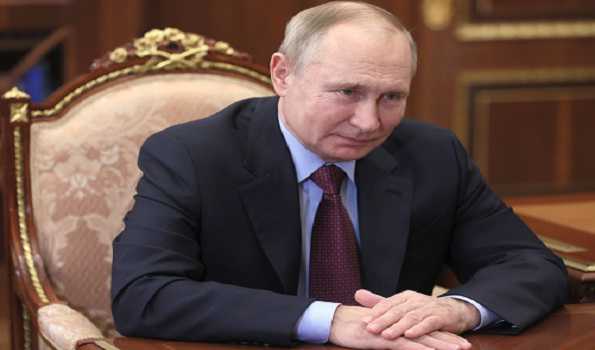
Moscow: Russian President Vladmir Putin said that neither the Kremlin nor the International Atomic Energy Agency (IAEA) have evidence which supports allegations of Iran’s weaponisation of its nuclear program.
Putin, speaking in an interview earlier with Sky News Arabia, put out on Saturday, said “I have to say that Russia, as well as the IAEA, has no evidence that Iran is preparing to acquire nuclear weapons. We have repeatedly informed the Israeli leadership about this.”
On Wednesday, IAEA Director General Rafael Grossi stated that the UN nuclear watchdog has not seen concrete evidence of an active nuclear weapons program in Iran. Despite this, US and Israeli leaders continue to claim that Iran’s nuclear program is for weaponisation.

However, the amount of uranium enrichment detected was said to be much higher than what was needed for civilian use.
Israel and the US have repeatedly said that Iran’s nuclear program has always been intended for weaponisation, with US President Donald Trump stating that Tehran can never be allowed to have a nuclear bomb.
Iranian officials have staunchly denied the allegations, and said that its uranium enrichment was intended for its energy sector.