


Key Takeaways
- The conflict in Palestine is a complex issue involving Hamas terrorist activities and Israeli self-defense.
- Hamas is considered a terrorist organization due to its violent methods and ideology.
- The conflict has profound and tragic implications for Palestinian civilians, resulting in widespread suffering and loss of life.
The phrase “the wages of sin is death” aptly encapsulates the severe consequences that individuals or groups may face when engaging in or supporting malevolent activities. In the context of the ongoing conflict between Israel and Palestine, many argue that the Palestinian people are now paying a steep price for harboring and glorifying Hamas, an organization that has been widely condemned for its terrorist activities.
The Israeli Perspective on Self-Defense
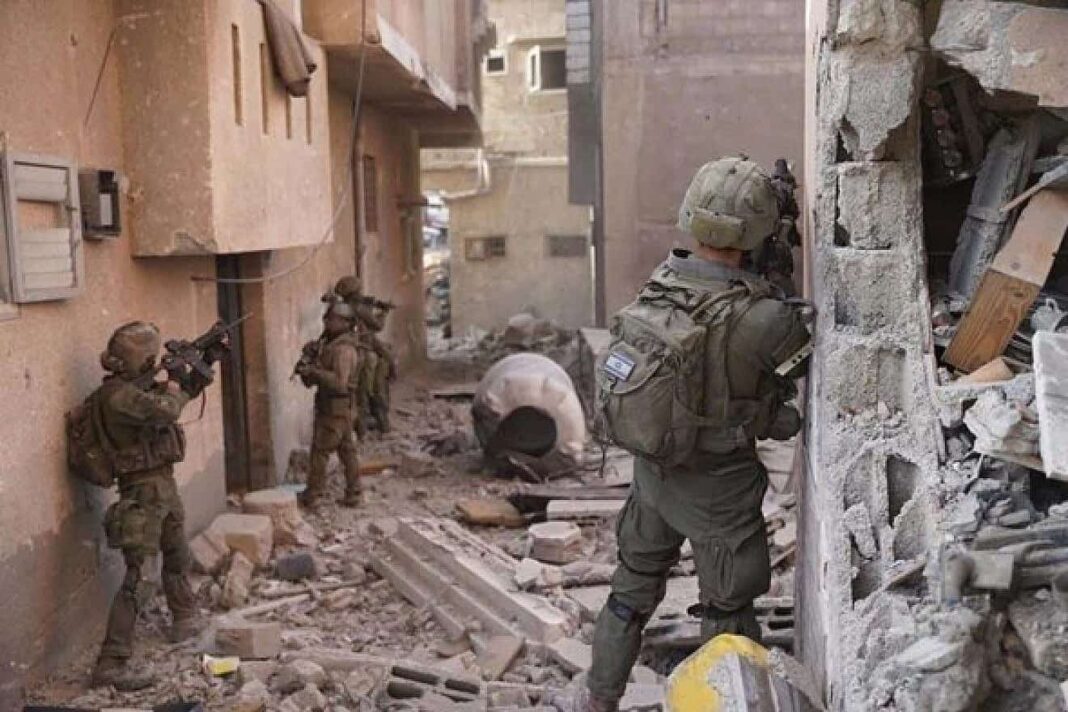
Israel’s actions against Hamas are often framed as a nation’s natural and just response to terrorism. When innocent Israeli civilians are targeted, Israel responds with military force to eliminate the threat and safeguard its citizens. This is a stance that many other nations would likely take in a similar situation.
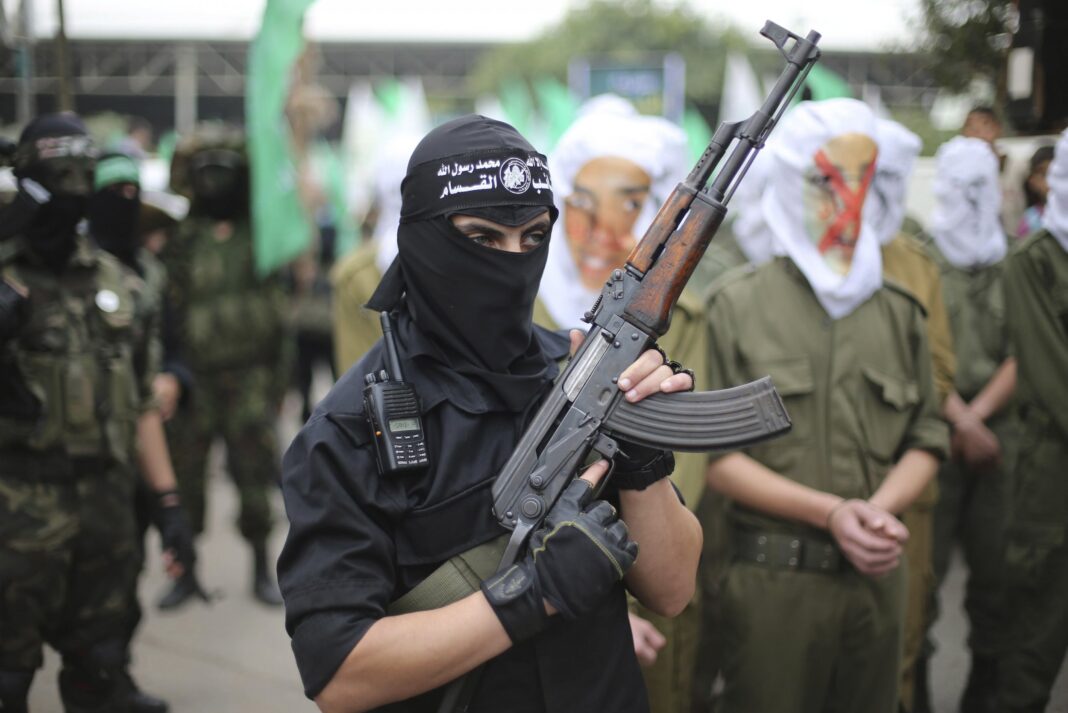
Hamas has repeatedly launched attacks on Israel, employing tactics that deliberately endanger civilian lives. The organization’s strategy involves blending in with the civilian population, making it difficult for Israeli forces to target militants without collateral damage. This tactic, seen by many as using the Palestinian people as human shields, only serves to escalate the conflict and increase suffering on both sides.
Hamas: A Wolf in Sheep’s Clothing

Hamas often presents itself as a legitimate political entity fighting for Palestinian rights. However, its methods and ideology reveal a different story. The organization has a long history of violence and extremism, prioritizing armed struggle over peaceful resolution. This duality—appearing as a protector while engaging in terrorism—has misled many within and outside Palestine.
The glorification of Hamas by some Palestinians, whether out of fear, genuine support, or indoctrination, has further complicated the situation. Celebrations of attacks on Israeli civilians not only endorse violence but also deepen the animosity between the two peoples. This perceived duplicity—supporting terrorism while lamenting the resultant suffering—fuels arguments that Palestinians bear responsibility for their predicament.
Critics argue that the Palestinian population, by providing cover and support to Hamas, has inevitably drawn the wrath of Israel. The moral stance here is stark: those who support or condone terrorism must face the consequences of their actions. This perspective insists that no terrorist should be allowed to live, reflecting a zero-tolerance policy towards any form of terrorism.
However, it is essential to recognize that not all Palestinians support Hamas or its methods. Many are caught in the crossfire, suffering due to the actions of a minority. This distinction is crucial in addressing the broader humanitarian crisis and working towards a peaceful resolution. But for peace to be fostered between Israelis and Palestinians, Hamas must be eradicated from its roots. The terrorism of Hamas is a curse upon the people of Palestine and they have willingly taken upon themselves the ‘Curse of Hamas’. I do empathize with the innocent Palestinians caught in the crossfire but knowing that terrorism is a dangerous weed, therefore it needs to be weeded out and sometimes in pulling weeds out, some grass also gets pulled out, unwillingly and unfortunately.
The conflict between Israel and Palestine is deeply complex. While Israel’s actions are often justified as self-defense, the broader implications for Palestinian civilians are profound and tragic. Widespread suffering and loss of life have resulted from this conflict. A nuanced understanding is required to address the underlying causes and ensure justice and peace for all involved.