
Key Takeaways
- The WHO has evacuated 32 critical patients from the besieged Nasser Hospital in southern Gaza.
- The hospital has ceased to function due to a lack of electricity, running water, and medical supplies.
- The WHO is calling for a ceasefire and unimpeded access to health workers, patients, and humanitarians to protect patients, health workers, health infrastructure, and civilians.
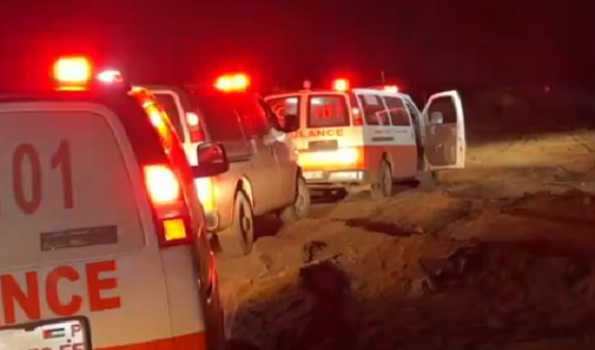
Geneva: The World Health Organization (WHO) said on Tuesday that it has transferred 32 critical patients, including two children, from the Nasser Hospital in southern Gaza in two life-saving missions in the past two days.
An estimated 130 sick and injured patients and at least 15 health workers remained inside the hospital, WHO spokesperson Tarik Jasarevic told a press briefing in Geneva.
The WHO voiced concerns over their safety and well-being and warned that further disruption to lifesaving care for the sick and injured would lead to more deaths.
The Nasser Hospital in Khan Younis has ceased to function following Israel’s military raid on Feb. 14, after a week-long siege, said the UN health agency.

The Nasser Hospital had no electricity or running water, and medical waste and garbage were creating a breeding ground for disease, said the WHO. Describing the situation there as “heartbreaking”, WHO staff Chris Black said that the hospital was surrounded by burnt and destroyed buildings, and heavy layers of debris, with no stretch of intact road.
The dismantling of the Nasser Hospital was a massive blow to Gaza’s health system. Other facilities in the south are operating at maximum capacity and can barely receive more patients. At least 130 sick and injured patients and 15 health workers remain inside the hospital, according to the WHO.
Jasarevic said the WHO hoped to see the Nasser Hospital and other health facilities in Gaza protected, rebuilt, and properly supplied. This could only be achieved if there was a ceasefire and unimpeded access to health workers, patients, and humanitarians, he added.
The WHO repeated its calls for the protection of patients, health workers, health infrastructure and civilians.