
Key Takeaways
- Iran’s nuclear programme and US sanctions are the focus of indirect talks in Oman.
- The JCPOA agreement is a deal between Iran and six world powers to curb Iran’s nuclear programme.
- The US has reimposed sanctions on Iran, prompting Tehran to scale back its nuclear commitments.
Tehran: Iran has said that its indirect negotiations with the United States held in Oman were focused solely on Tehran’s nuclear programme and the removal of US sanctions, ruling out any discussion on other issues.
Foreign Ministry spokesman Esmaeil Baghaei told state television on Sunday that Iran’s stance in the talks remained unchanged, centering on lifting sanctions and preserving its nuclear rights.
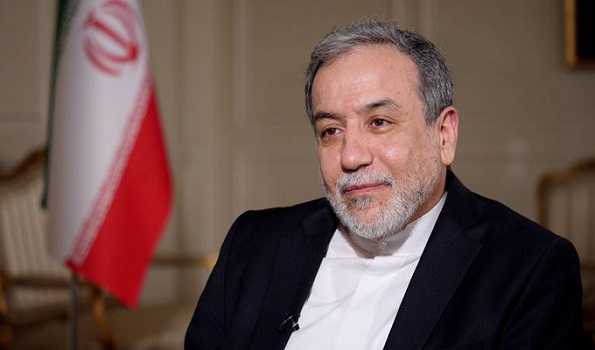
The talks, held on Saturday between Iranian Foreign Minister Seyed Abbas Araghchi and US Special Envoy to the Middle East Steve Witkoff, were conducted through intermediaries.
Baghaei added that Iran remained committed to preserving its nuclear infrastructure and achievements, while also demonstrating its willingness to engage in dialogue to assure the international community of the peaceful nature of its nuclear activities.
“Iran considers itself obligated to use all legal and diplomatic tools to safeguard its legitimate rights as a member of the Non-Proliferation Treaty and a signatory to the IAEA (International Atomic Energy Agency) safeguards agreements,” he said.
Speaking to reporters in Muscat after the meeting, Araghchi described the first round of talks as “constructive” and held in a “calm and respectful atmosphere”.

“No inappropriate language was used, and both sides showed commitment to pursuing the negotiations from an equal footing toward a mutually beneficial agreement,” he said.
He added that a second round of talks was scheduled for the following Saturday, likely at a different venue.
The Muscat discussions followed US President Donald Trump’s announcement in March that he had sent a letter to Iranian leaders via the United Arab Emirates proposing nuclear talks.
Iran later confirmed receiving the letter and expressed openness to indirect engagement.
Iran signed the 2015 Joint Comprehensive Plan of Action (JCPOA) with six world powers, namely, the United States, China, Russia, Britain, France, and Germany, agreeing to curb its nuclear programme in exchange for sanctions relief. Washington unilaterally withdrew from the pact in 2018 and reimposed sanctions, prompting Tehran to scale back its nuclear commitments.
Despite efforts to revive the deal, significant progress has not been made so far.