
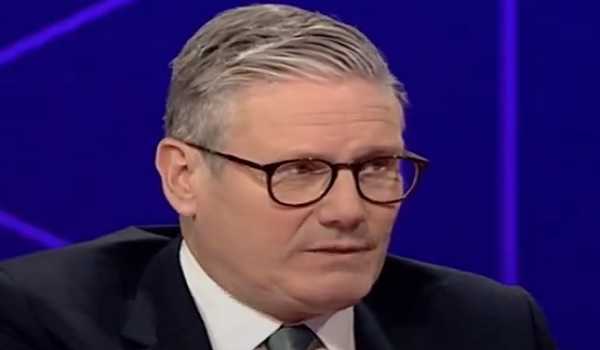

London: A newly announced tariff deal between the United Kingdom (UK) and the United States (U.S.) has triggered a wave of mixed reactions from British political leaders, as Prime Minister Keir Starmer hailed the deal as “historic,” while critics denounced it as one-sided and damaging to domestic industries.
Speaking at a press conference on Thursday, Starmer revealed that the UK and the U.S. have reached an agreement to reduce tariffs on a range of products, including steel and automobiles. Under the deal, tariffs on British steel and aluminum exports to the United States will be eliminated. The United States will lower tariffs on up to 100,000 British-made vehicles per year, from 27.5 percent to 10 percent.
The two sides have also agreed new reciprocal market access on beef – with UK farmers given a tariff-free quota for 13,000 metric tonnes. There will be no weakening of UK food standards on imports.
Britain will scrap tariffs on American ethanol imports.

The tariff cuts will come into place “as soon as possible,” according to Starmer.
Calling it a “fantastic, historic” day, Starmer addressed reporters while joining US President Donald Trump for a briefing via phone from the Oval Office. However, domestic reaction was far from unanimous. Local media noted that the 10-percent tariff announced by Trump in early April still applies to most other UK goods exported to the U.S.
Kemi Badenoch, leader of the UK’s Conservative Party, slammed the deal on social media: “We cut our tariffs – America tripled theirs. Keir Starmer called this ‘historic.’ It’s not historic, we’ve just been shafted!”
Liberal Democrat leader Ed Davey echoed concerns, warning that the agreement fails to protect British industries. “Even after today’s deal, Trump’s terrible tariffs will still be hitting British jobs and businesses hard. The only way we will end Trump’s damaging trade war is by standing tough with our allies across Europe and the Commonwealth,” he said on social media X.