
Key Takeaways
- The Bangladeshi Supreme Court scrapped public-hiring quotas, opening up government jobs to candidates.
- The quotas reserved 30% of government roles for family members of 1971 war veterans, sparking protests and unrest.
- The government appealed the High Court’s decision in response to widespread demonstrations, leading to the quotas being scrapped.
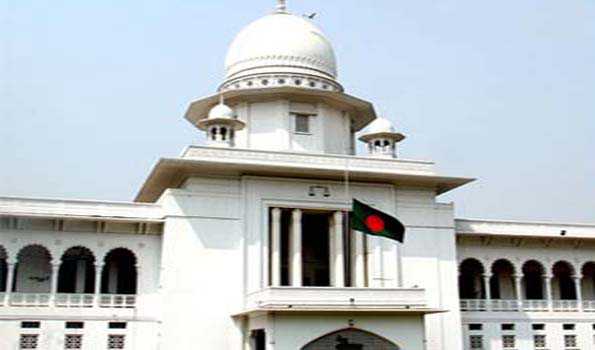
Dhaka: The Bangladeshi Supreme Court has scrapped most of the quotas on public jobs after their introduction sparked deadly student-led protests across the capital of Dhaka, media reports said on Sunday.
The Bangladeshi Supreme Court dismissed a lower court’s order to reinstate quotas, opening up over 90% of government jobs to candidates. Over 90% of government jobs are now available to candidates, leaving few for relatives of veterans who fought in the Bangladesh Liberation War in 1971.
On Friday, the Bangladeshi authorities imposed a curfew across the country to quell violence following the deadliest day in the weeks of demonstrations when over 100 people were reportedly killed and at least 300 police officers injured.

Protests against the Bangladeshi government’s quota system for public positions escalated this week following violent clashes at Dhaka University. Protesters were urging an end to the quota system, which reserves 30% of government roles for family members of 1971 war veterans. They alleged discrimination and favoritism toward supporters of Prime Minister Sheikh Hasina, whose party led the independence movement.
The government ended quotas after protests in 2018 but reinstated them in June on the High Court’s order after appeals from veterans’ families. The government appealed the High Court’s decision in response to widespread demonstrations.