

Key Takeaways
- The US has imposed sanctions on two Indian companies for their involvement in Russia’s Arctic LNG 2 project.
- The sanctions are part of a broader strategy to weaken Russia’s energy sector, which plays a pivotal role in the country’s economy.
- The project has attracted investments from international energy giants, including France’s TotalEnergies, China’s CNPC and CNOOC, and a Japanese consortium.
In a significant geopolitical development, the United States has imposed sanctions on two Indian companies, Gotik and Plio Energy, for their alleged participation in Russia’s massive Arctic LNG 2 project. The move comes amid escalating tensions between Russia and the West, driven by the ongoing conflict in Ukraine and broader global energy concerns. The sanctions were announced on Thursday, signaling the US government’s commitment to curtailing any ventures that benefit Russia’s energy sector, especially in light of its strategic ambitions in the Arctic.
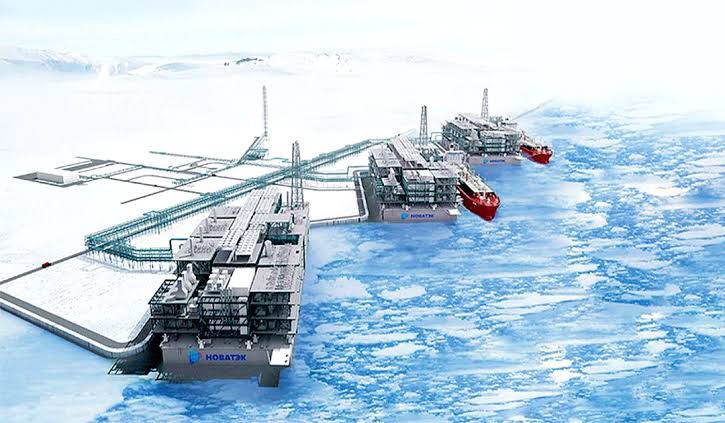
The Arctic LNG 2 project is a massive venture in the LNG sector, aiming to cement Russia’s position as a global energy powerhouse. Located in the remote Arctic region, the project aims to tap into 20 billion cubic meters of natural gas reserves in the Gydan Peninsula and process them into LNG, making it easier to transport to energy-hungry markets around the world.
With a target production of nearly 20 million metric tons of LNG annually, Arctic LNG 2 is seen as a critical asset for Russia to diversify its energy exports, particularly as European nations seek alternatives due to the ongoing geopolitical climate. The project has attracted investments from international energy giants, including France’s TotalEnergies, China’s CNPC and CNOOC, and a Japanese consortium. These partnerships underline the global importance of LNG in transitioning away from coal and oil, particularly for nations committed to reducing their carbon footprint while ensuring energy security.
The US government alleges that the Indian companies Gotik and Plio Energy are linked to Novatek, Russia’s largest independent natural gas producer and the driving force behind Arctic LNG 2. While the details of their involvement remain opaque, the US claims these companies are instrumental in supplying technology, services, or capital that would directly support Russia’s energy projects.
The sanctions against these firms are part of a broader strategy by the US to weaken Russia’s energy sector, which plays a pivotal role in the country’s economy. By disrupting projects like Arctic LNG 2, the US aims to deprive Russia of the substantial revenues generated from exporting LNG to global markets.

The sanctions on Gotik and Plio Energy are likely to send ripples through the Indian business community, especially given India’s close diplomatic ties with both the US and Russia. India has historically maintained a delicate balancing act between the two superpowers but moves like this could force Indian companies to reconsider their involvement in projects that risk attracting international scrutiny.
Moreover, this development underscores the growing complexity of global energy politics. As nations transition towards cleaner energy sources, LNG has emerged as a critical fuel to bridge the gap between fossil fuels and renewable energy. Projects like Arctic LNG 2 are seen as key to meeting this growing demand. However, as geopolitical tensions rise, the involvement of private companies in such ventures will likely come under increased scrutiny, raising questions about how global energy security can be maintained in an increasingly fractured world.
For Russia, the sanctions pose yet another challenge to its energy dominance. Although Arctic LNG 2 is still moving forward, continued economic pressures from the West could hinder the project’s progress or make it more difficult for Novatek and its international partners to access crucial resources.
While Arctic LNG 2 remains a cornerstone of Russia’s LNG production strategy, it now faces growing challenges on the international front. For India, the move signals the importance of carefully navigating its relationships in the ever-volatile realm of global energy and geopolitics. As energy demands evolve and geopolitical dynamics shift, the world will watch closely to see how projects like Arctic LNG 2 continue to shape the future of global energy