
Key Takeaways
- The US has directed its administration to reassess and potentially revoke the sanctions waiver granted to India for its involvement in Iran’s Chabahar Port project.
- The revocation poses significant challenges for India, including disruptions to the International North-South Transport Corridor (INSTC) and potential instability in the region.
- The situation is further complicated by India’s ongoing energy imports from Russia, highlighting its commitment to an independent foreign policy.
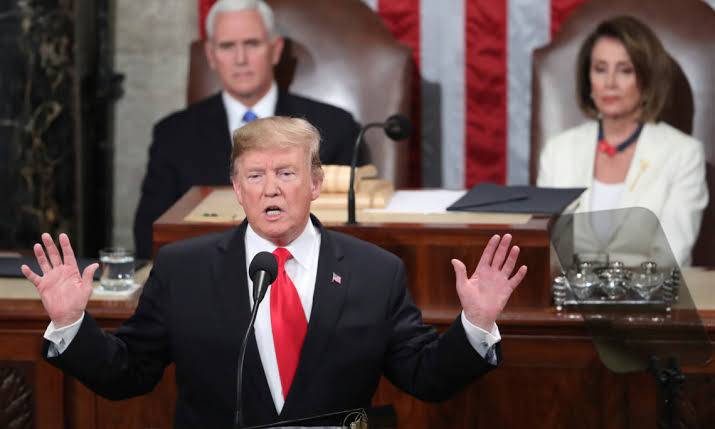
In a strategic move aimed at exerting comprehensive pressure on Iran, India, and Russia, U.S. President Donald Trump has directed his administration to reassess and potentially revoke the sanctions waiver granted to India for its involvement in Iran’s Chabahar Port project. The decision to revoke the sanctions waiver signifies a pivotal shift in U.S. foreign policy with far-reaching geopolitical and economic implications.
The Chabahar Port, located in southeastern Iran, has been a cornerstone of India’s strategic initiatives to enhance connectivity with Afghanistan and Central Asia, effectively bypassing Pakistan. In 2018, India secured a sanctions waiver from the U.S., recognizing the port’s potential in promoting Afghanistan’s economic development and regional stability. Since then, India has invested approximately $24 million in equipment and infrastructure at the port, underscoring its commitment to regional connectivity and trade expansion.
On February 6, 2025, President Trump issued an executive order instructing the Secretary of State to “modify or rescind sanctions waivers, particularly those that provide Iran any degree of economic or financial relief, including those related to Iran’s Chabahar port project.” This directive aligns with the administration’s “maximum pressure” campaign aimed at curbing Iran’s nuclear ambitions, ballistic missile program, and regional influence.
Revoking the waiver poses significant challenges for India. The Chabahar Port is integral to the International North-South Transport Corridor (INSTC), a multi-modal network facilitating trade between India, Iran, Russia, and Europe. The INSTC offers a shorter and more efficient alternative to traditional maritime routes, potentially reducing transit time by up to 40%. Disruptions due to renewed sanctions could derail these plans, compelling India to seek alternative routes, possibly through partnerships with Israel and the UAE, to maintain its trade objectives.

The potential revocation of the waiver is perceived as a diplomatic maneuver to pressure Iran, India, and Russia simultaneously. For Iran, it threatens a vital economic lifeline that facilitates international trade amidst stringent sanctions. For India, it jeopardizes strategic investments and its broader aspirations for regional connectivity. Russia, a key player in the INSTC and a nation seeking to bolster trade routes circumventing Western sanctions, also faces setbacks as the corridor’s viability comes into question.
This development introduces a complex dynamic into US-India relations. While the two nations have strengthened ties in defense and economic sectors, the Chabahar Port issue could become a point of contention. India may need to balance its strategic autonomy with the imperative to maintain favorable relations with the U.S. The situation is further complicated by India’s ongoing energy imports from Russia, despite global pressures, highlighting its commitment to an independent foreign policy.
Beyond the immediate stakeholders, the broader region could experience economic and security repercussions. The Chabahar Port has been instrumental in facilitating humanitarian aid and economic activities in Afghanistan. Sanctions affecting the port’s operations could hinder these efforts, potentially leading to increased instability in an already volatile region.
President Trump’s directive to reassess the Chabahar Port sanctions waiver represents a multifaceted strategy to exert pressure on Iran, India, and Russia. While aiming to advance U.S. foreign policy objectives, this move carries significant risks, including straining alliances, disrupting regional trade initiatives, and potentially destabilizing the broader geopolitical landscape. As the situation evolves, the affected nations will need to navigate these challenges carefully, balancing strategic interests with the realities of international diplomacy.