
Key Takeaways
- Brazil is challenging US tariffs at the World Trade Organization (WTO) and preparing a relief package for domestic businesses.
- The US has imposed a 50 per cent tariff on Brazilian exports, including coffee, beef, and petrochemicals.
- Brazil holds valuable reserves of rare earths and critical minerals, which it is willing to cooperate on efficient battery production and other strategic technologies.
Brasilia: Brazil is preparing to formally challenge the newly imposed US tariffs at the World Trade Organization (WTO) while keeping the door open to negotiations, officials said.
The US has imposed a 50 per cent tariff on Brazilian exports, including coffee, beef, and petrochemicals. This affects approximately 35 per cent of Brazil’s exports to the US, with key products like energy products and certain minerals excluded.
Brazil’s Chamber of Foreign Trade approved a proposal on Monday to begin a formal consultation with the WTO, the first step in a dispute settlement process. The chamber’s council of ministers forwarded the decision to President Luiz Inacio Lula da Silva, who will determine “how and when” to present the complaint to the trade body.
Vice President Geraldo Alckmin said that Brazil is working to reduce the new tariff’s impact and has already met agribusiness representatives to coordinate strategies. The government will also continue talks with affected sectors.
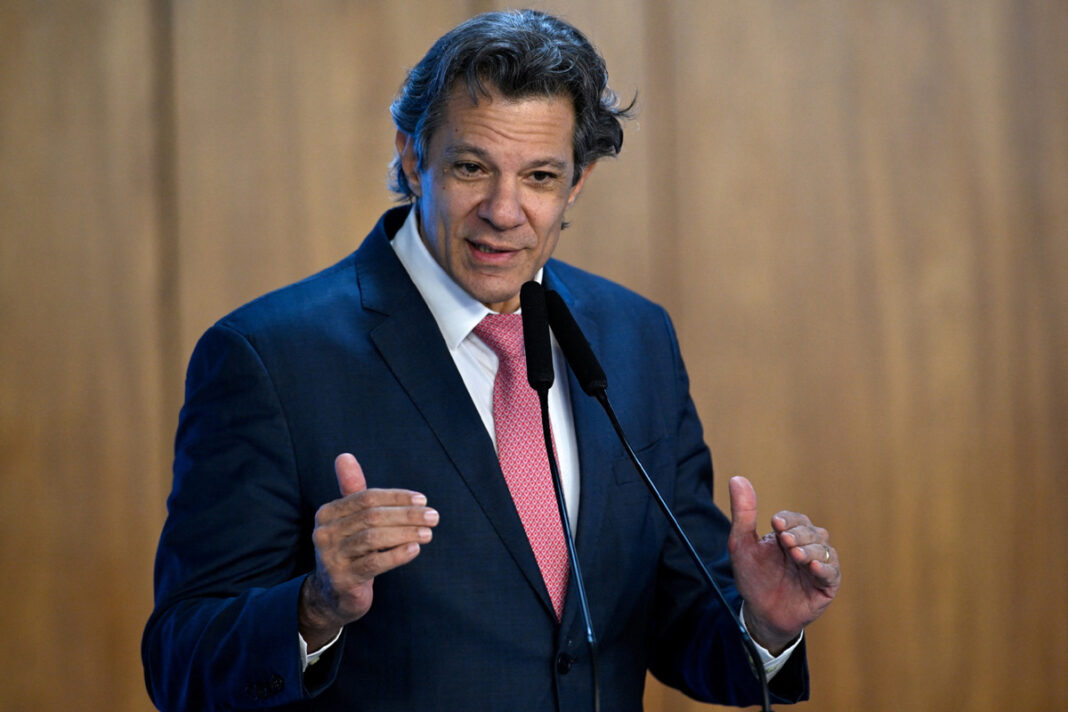
Finance Minister Fernando Haddad said Brazil remains open to dialogue but will not accept an unequal partnership.

“We won’t engage with the US as a colony or satellite — we’re a sovereign nation,” Haddad told BandNews in an interview.
He called the tariff hike “excessive” and “unreasonable,” but said there is room to build a positive bilateral agenda, particularly in areas such as critical minerals, technology and data infrastructure.
“Brazil holds valuable reserves of rare earths and critical minerals — resources the US lacks,” he said. “We’re willing to cooperate on efficient battery production and other strategic technologies.”
To offset the tariff’s economic impact, Haddad said the government will soon unveil a relief package for domestic businesses, including credit support. He acknowledged the potential fiscal impact but said it would be managed with existing budget rules.